
Last updated October 16, 2026
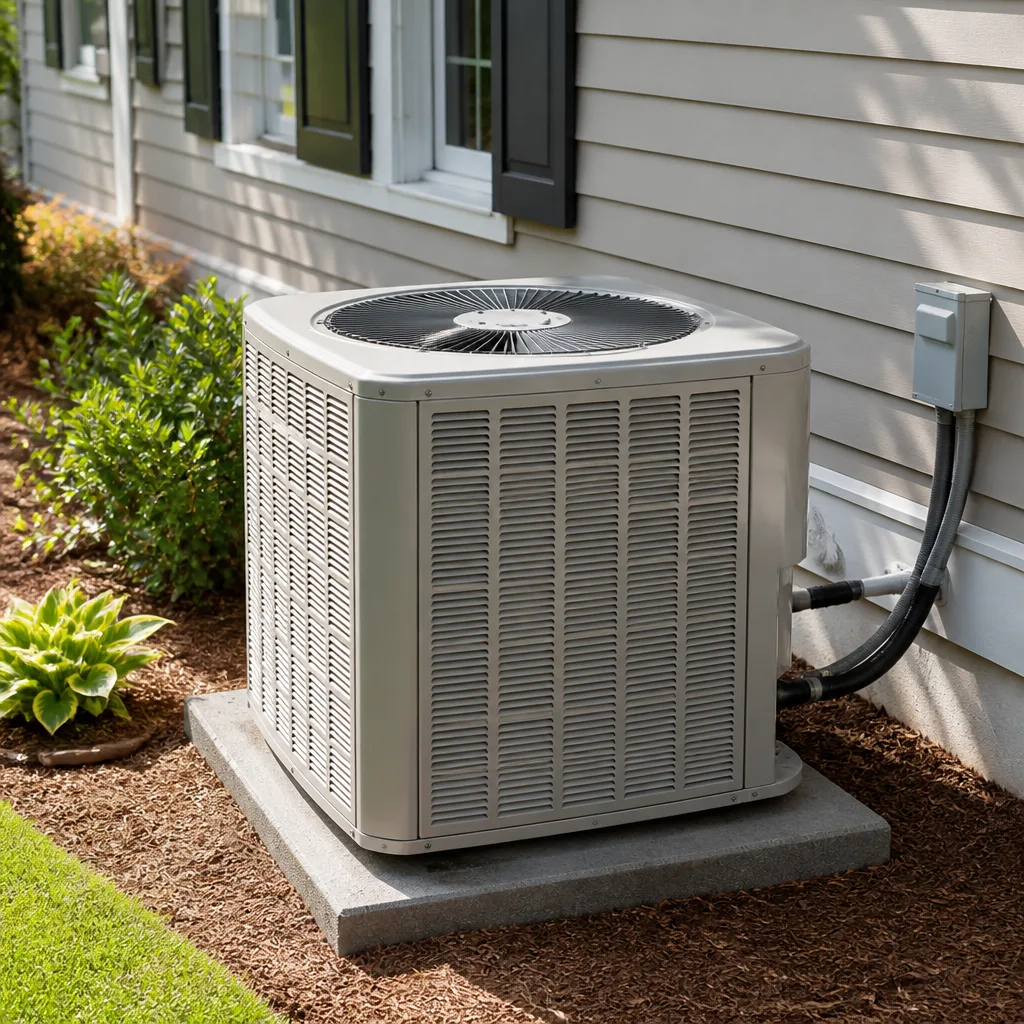 AC repair
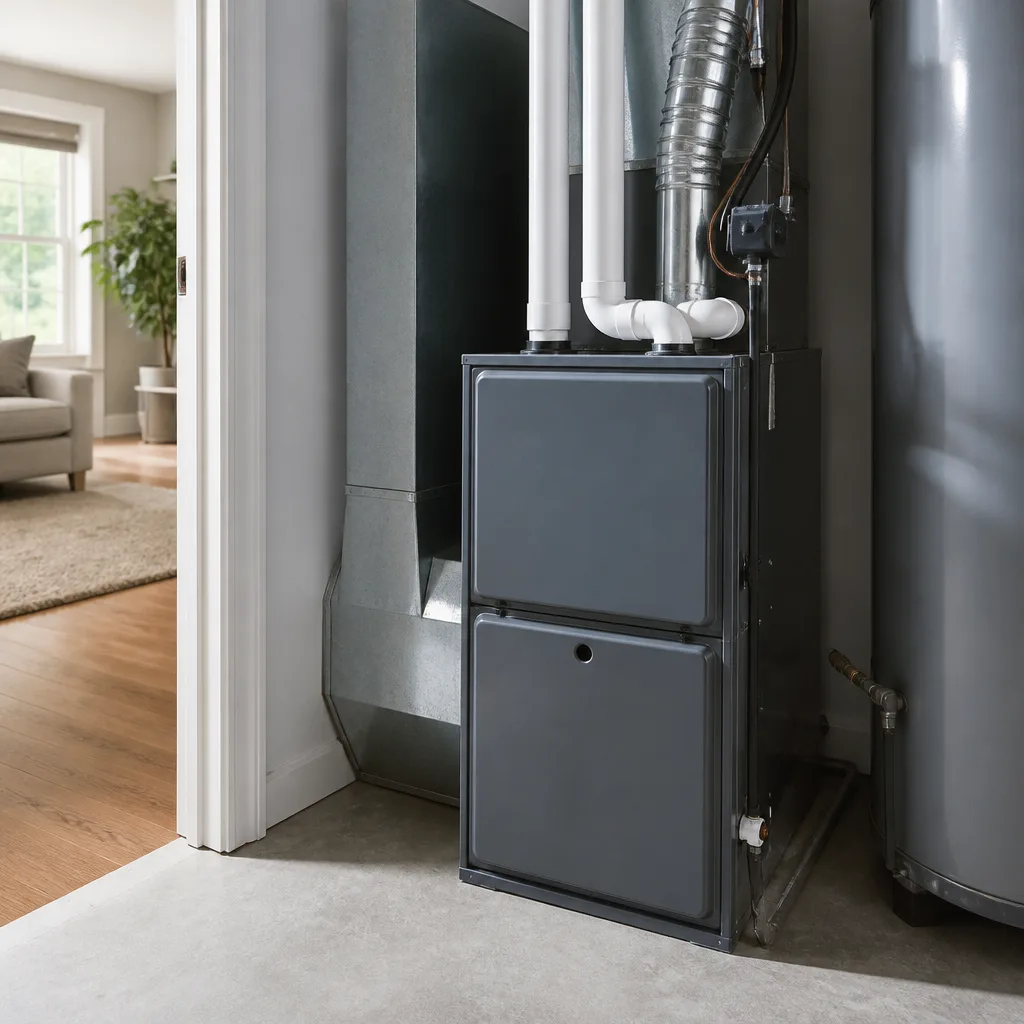 Furnace & heating
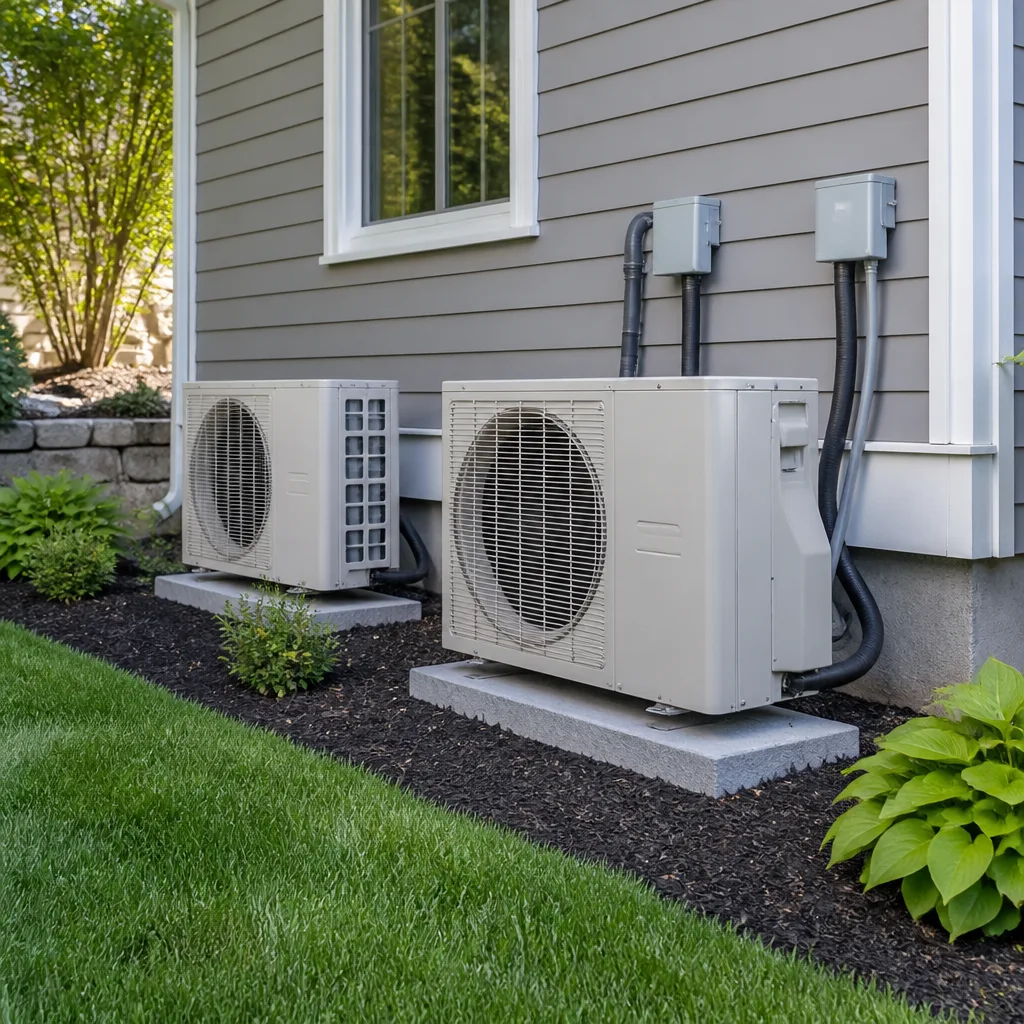 Heat pumps
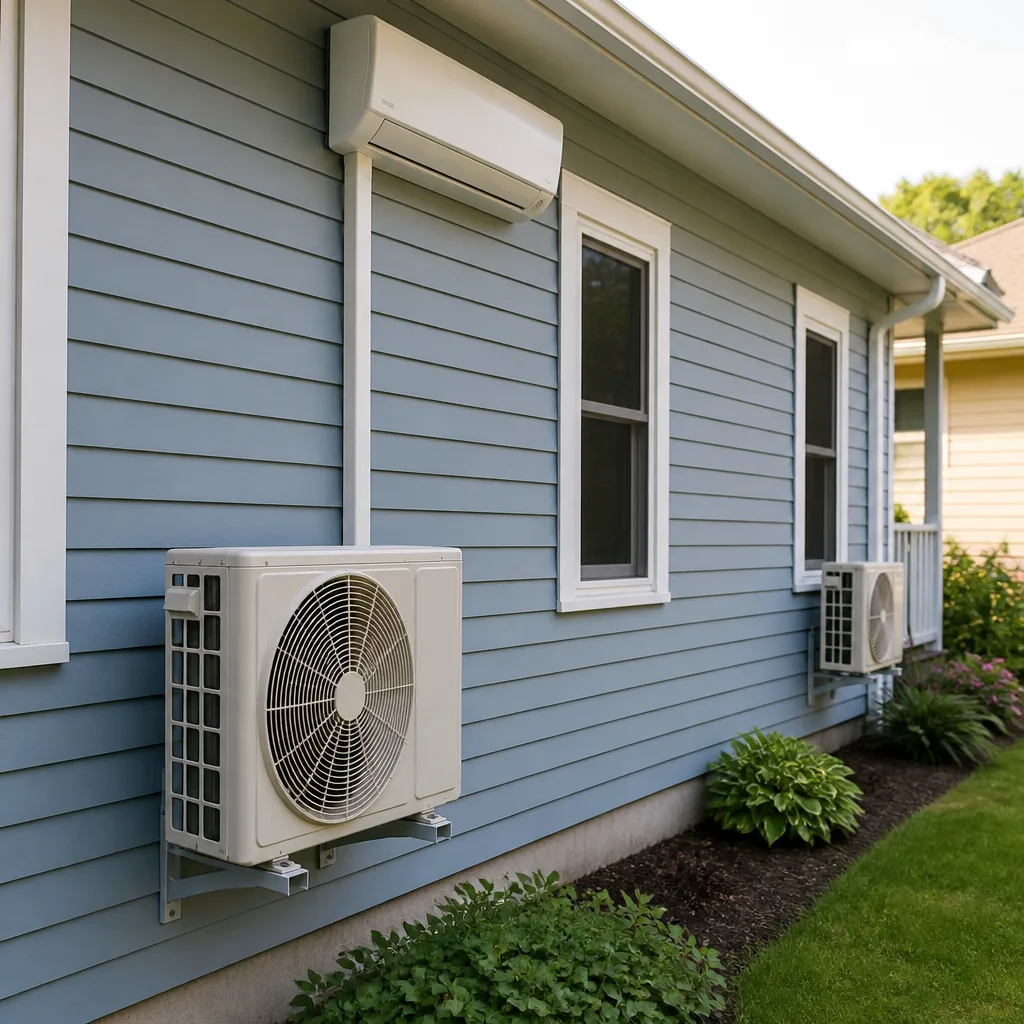 Ductless mini splits
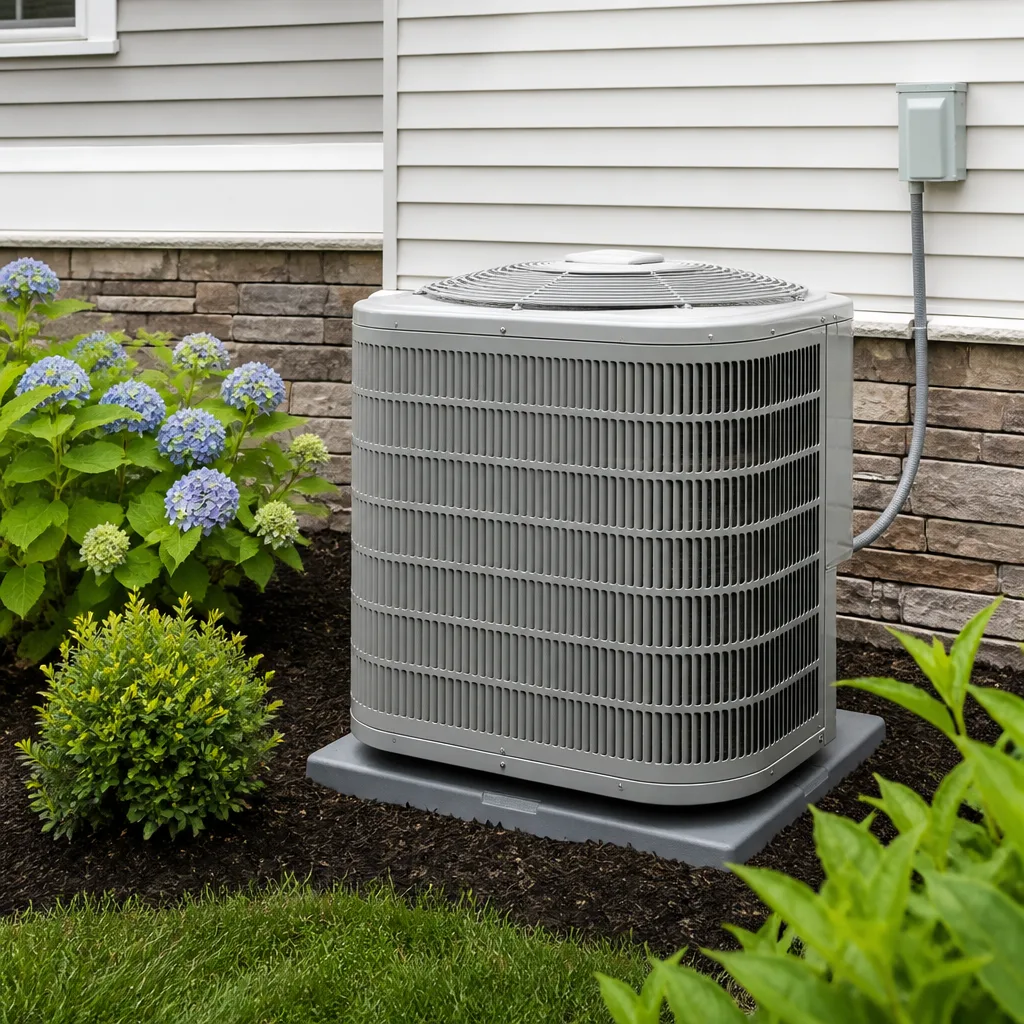 Carrier
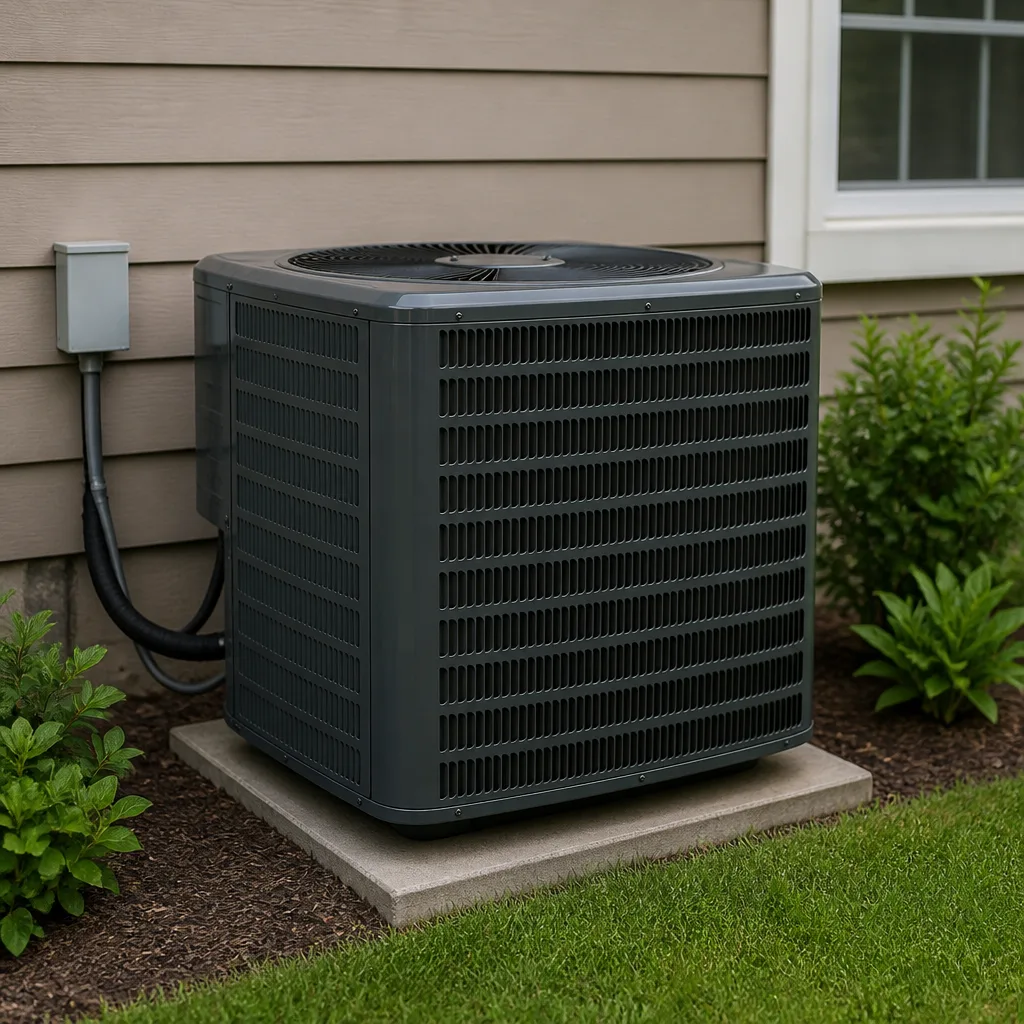 Goodman
Seasonal tune-up and full diagnostic on your Carrier, Trane, or Goodman system - readings shown to you before any repair is proposed
Diagnosis first, numbers second - you approve the repair price before a single part goes in.
Get your free estimateDIY vs Professional HVAC: The Torrance Homeowner’s Decision Guide
In California, handling refrigerant without an EPA Section 608 certification is a federal violation with fines up to $44,539 per day. Yet “check your refrigerant” is the first thing DIY HVAC videos teach you to try when your AC stops cooling. This guide cuts through the YouTube noise and gives Torrance homeowners a clear picture of what you can legally do yourself, how to hire a licensed contractor, and where the real costs hide. You’ll learn exactly which jobs put your warranty, your home insurance, and your safety at risk, and which tasks are genuinely fine to tackle on a Saturday morning.
Quick Answer
In Torrance, homeowners can legally handle basic maintenance like filter changes, thermostat battery swaps, and condensate line clearing. Anything involving refrigerant, electrical work beyond a simple swap, or gas connections requires a California-licensed C-20 contractor by state law. The smart approach: do the simple upkeep yourself and call a licensed pro for everything else, because the cost of fixing a DIY mistake usually runs two to three times what the original repair would have cost. For help deciding, visit our Halden Heating and Air Torrance home page or call (424) 358-3791.
Styles & brands we work with
Table of Contents
- The Legal Matrix: What You Can and Cannot DIY in California
- The True Cost of the Top 5 DIY HVAC Mistakes in Torrance
- Why Title 24 Means You Can’t Fully DIY an Installation
- Warranty Risk: When Legal DIY Still Costs You Thousands
- Three Tasks Where Hiring a Pro Pays Back Within 12 Months
- What Torrance’s Coastal Climate Means for Your HVAC Decisions
- Common Mistakes to Avoid
- When to Call a Professional
- Frequently Asked Questions
The Legal Matrix: What You Can and Cannot DIY in California
California law draws a bright line through the DIY HVAC world. On one side are tasks a homeowner can legally perform on their own property. On the other side are jobs that require a C-20 warm-air heating, ventilating, and air-conditioning contractor license, issued by the Contractors State License Board. The line isn’t based on difficulty. It’s based on what can hurt you, your neighbors, or the environment.
Here’s the breakdown, verified against current California code:
Legal for Homeowners to DIY
- Air filter replacement: No license needed. This is basic maintenance, like changing your car’s oil. In Torrance, with our coastal air carrying salt and moisture, we recommend checking filters every 30 to 60 days.
- Thermostat battery replacement: A simple swap. Pull the old battery, install a new one. Done.
- Condensate drain line clearing: You can flush the PVC drain line with vinegar or warm water if it’s simply clogged. This is a common Torrance issue during humid summer weeks.
- Clearing debris from the outdoor condenser unit: Leaves, grass clippings, and spider webs can be removed by hand or with a garden hose (low pressure only). Keep the power off first.
- Breaker reset: If your AC trips a breaker, flipping it back once is fine. If it trips again, stop and call someone.
- Replacing batteries in carbon monoxide detectors: Not strictly HVAC, but closely related to furnace safety.
Requires a Licensed C-20 Contractor
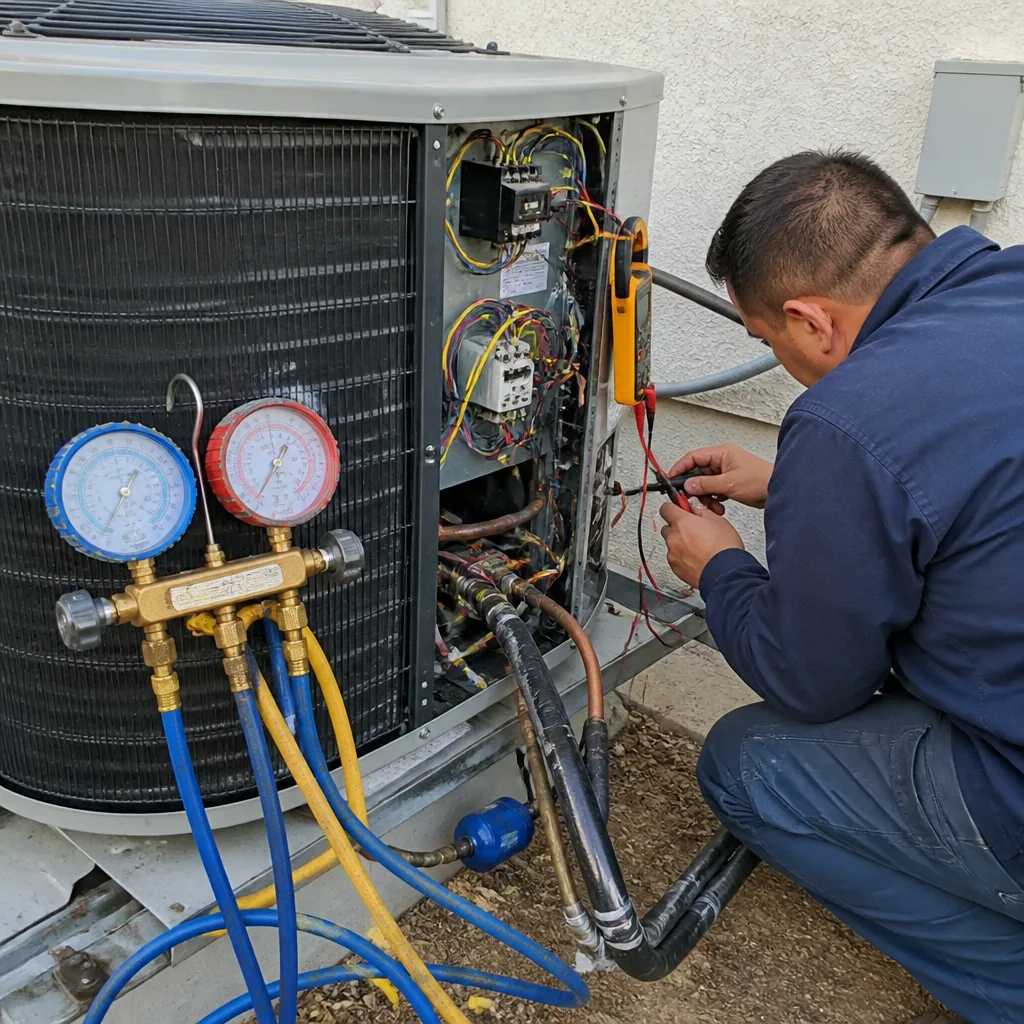
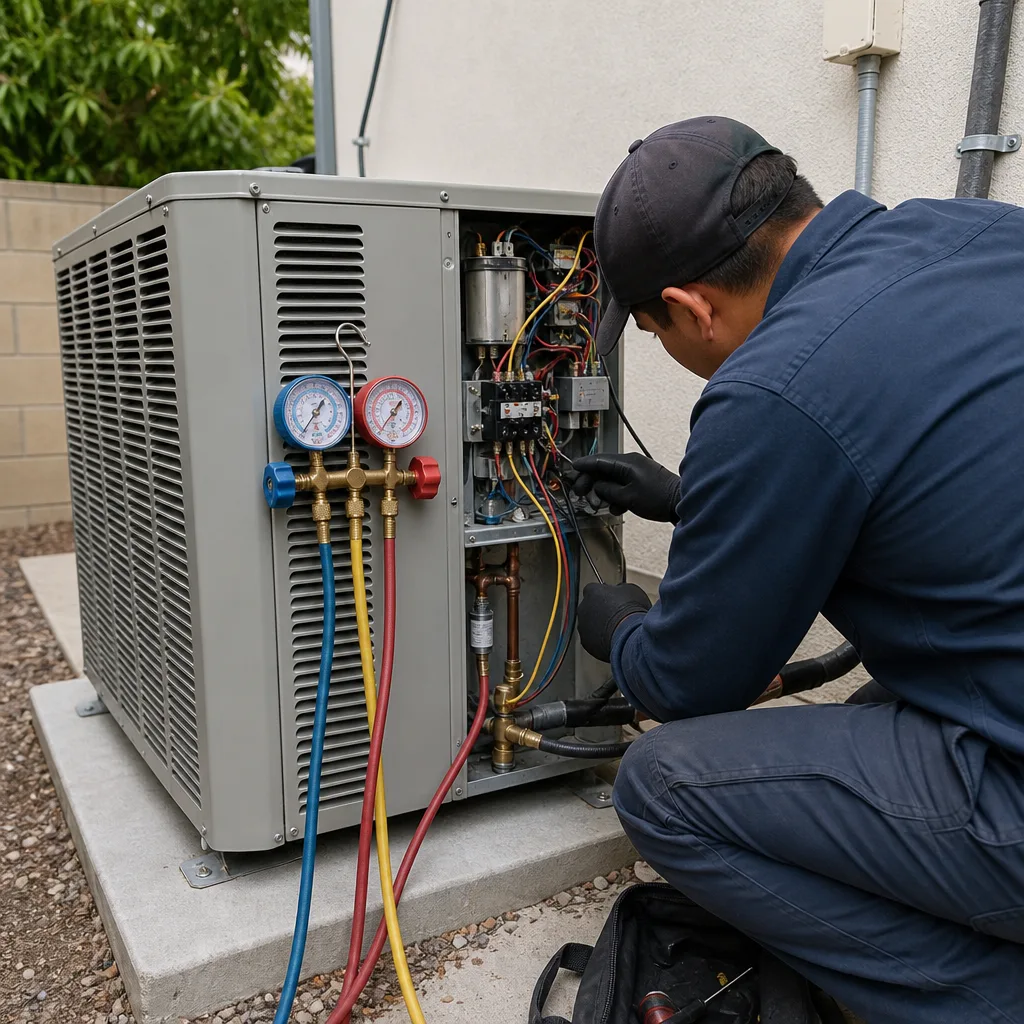
- Refrigerant handling of any kind: Adding, removing, recycling, or even checking refrigerant pressure with gauges that connect to the system. This requires EPA Section 608 certification. No exceptions.
- Electrical work inside the air handler or condenser: Capacitors, contactors, circuit boards, motors, and any wiring beyond plugging in a thermostat base.
- Gas furnace repairs of any kind: Burners, gas valves, heat exchangers, venting. Gas work in California requires a contractor with the appropriate C-20 license plus local permits.
- Ductwork installation or modification: Cutting into and reconfiguring duct runs, adding supply or return vents, and connecting new equipment to existing ducts.
- Full system installation or replacement: Even a “simple” swap of one condenser for another requires a permit, a licensed installer, and a Title 24 compliance certificate.
The pattern here is simple. If the task involves refrigerant, gas, or line-voltage electricity, it’s off the DIY table in California. If it’s mechanical, like changing a filter or clearing a drain, you’re clear to do it yourself. In our experience at AC Repair in Torrance, the most common illegal DIY attempt we see is homeowners adding store-bought refrigerant from a can. Those cans are often stop-leak products that cause more damage than they fix.
The True Cost of the Top 5 DIY HVAC Mistakes in Torrance
The DIY savings math usually looks like this: a $30 part and a Saturday afternoon versus a $200 service call. That math breaks down fast when the repair goes wrong, and we’ve seen the exact bills that result-see our HVAC cost breakdown for Torrance homeowners. Here are the five most expensive DIY errors we see in Torrance homes, with real cost ranges based on our service records.
1. Adding Stop-Leak Refrigerant to a System with a Leak
DIY cost: $40 to $80 for a can. Actual repair bill: $1,200 to $3,500. Stop-leak products clog expansion valves, contaminate the refrigerant circuit, and can destroy a compressor. Once a compressor goes, in many cases, the whole condenser needs replacing. A proper leak search and repair on a Torrance home’s AC typically runs $350 to $900, which looks like a bargain compared to a new system install.
2. Replacing a Capacitor Without Discharging the Old One
DIY cost: $15 for a new capacitor. Actual repair bill (or medical cost): $300 to $700 for a professional repair after the DIY version fails, plus the very real risk of electrical shock. Capacitors hold a charge even after the power is off. We’ve repaired systems where a homeowner replaced a capacitor with the wrong microfarad rating or wired it backward, frying the compressor start relay. On a Bryant or Carrier unit, that’s an expensive board replacement.
3. Over-Tightening or Misaligning the Blower Motor
DIY cost: $0 if you’re just “adjusting things.” Actual repair bill: $400 to $1,100. A blower motor that’s out of balance vibrates, wears out bearings, and eventually seizes. We’ve seen Torrance homeowners cause this by trying to clean the blower wheel and reinstalling it slightly off-axis. A professional blower motor replacement on a Daikin system, including parts and labor, typically lands between $500 and $900.
4. Drilling Into a Refrigerant Line While Hanging Something in the Garage
DIY cost: $0 (you already owned the drill). Actual repair bill: $800 to $2,500. The line set running from your outdoor condenser to your indoor coil carries pressurized refrigerant. A drill hole releases the charge, contaminates the system with air and moisture, and often requires line replacement plus a full refrigerant recharge. This is surprisingly common in Torrance garages with utility rooms nearby.
5. Using Store-Bought Drain Cleaner on a Condensate Line
DIY cost: $12. Actual repair bill: $200 to $600. Chemical drain cleaners eat through PVC over time and can crack the drain pan. Once that pan leaks, you’re looking at water damage to the garage ceiling or the air handler closet. We recommend vinegar and warm water for minor clogs. If that doesn’t clear it, a professional drain line flush with compressed air costs $150 to $300, far less than water damage restoration.
These aren’t hypotheticals. They’re the repair tickets we write in Torrance after a well-intentioned DIY attempt goes sideways. The pattern holds: the fix usually costs more than the original service call would have.
Why Title 24 Means You Can’t Fully DIY an Installation
California’s Title 24 Building Energy Efficiency Standards apply to every new HVAC installation and most major replacements. Even if you buy a complete new system and somehow install it yourself, you cannot legally pass the required inspection without a licensed contractor’s certification-learn more in our guide to HVAC permits, codes & inspections in CA. Here’s how the process actually works.
- Permit filing: Any new HVAC equipment in Torrance requires a building permit from the City of Torrance Building and Safety Division. As a homeowner, you can pull your own permit, but here’s the catch.
- Third-party verification: Title 24 requires that a HERS (Home Energy Rating System) rater verify the installation meets efficiency standards. HERS raters are independent third parties. They will not sign off on work performed by an unlicensed homeowner.
- Refrigerant charge verification: The HERS rater checks that the refrigerant charge is within spec. To do that check, they need to connect gauges. Which brings us back to the EPA Section 608 requirement. A homeowner cannot legally perform this step.
- Duct leakage testing: New ductwork or major duct modifications require a duct leakage test. A HERS rater performs this with specialized equipment. The test results are submitted to the city.
- Final inspection: A City of Torrance inspector reviews the HERS verification, the permit records, and the physical installation. No HERS certificate means no final sign-off.
What happens if you skip the permit and install anyway? The answer from Torrance code enforcement includes stop-work orders, fines, and the requirement to bring the system up to code with a licensed contractor retroactively. If you ever sell the house, an unpermitted HVAC system becomes a disclosure problem that can kill a deal or force a price concession. For a legitimate AC Installation in Torrance, the permit and HERS verification are handled entirely by the contractor as part of the job.
Warranty Risk: When Legal DIY Still Costs You Thousands
Here’s a scenario that catches Torrance homeowners off guard. You have a five-year-old American Standard or Carrier system. The blower motor starts making noise. You watch a video, open the air handler, remove the blower motor, clean it, and reinstall it. This is technically legal for you to do, but here’s what you’ve just done: you’ve voided the manufacturer’s warranty on that part and possibly the entire system.
Most HVAC manufacturers, including Daikin, Bryant, Carrier, and American Standard, write their warranty terms to require installation and service by a licensed HVAC contractor. The warranty language is specific: “installation or service by anyone other than a qualified, licensed HVAC contractor voids this warranty.” A homeowner cleaning a blower wheel is not a licensed HVAC contractor. The result: a repair that would have been covered for parts now becomes a full-price out-of-pocket repair.
The warranty problem extends beyond major repairs. Even filter changes can be an issue if the wrong filter type causes system damage. A too-restrictive high-MERV filter can starve the system for airflow, causing the evaporator coil to freeze and the compressor to fail. The manufacturer will deny a compressor warranty claim if they determine the freeze was caused by an improper filter. We see this in Torrance homes where homeowners assume “the higher the MERV, the better.” MERV 8 to MERV 11 is the right range for most residential systems.
If your system is still under warranty, our recommendation is simple: call a licensed contractor for any repair. The service call fee is your insurance policy against voiding a five or ten-year parts warranty.
Three Tasks Where Hiring a Pro Pays Back Within 12 Months
The DIY versus professional decision usually gets framed as spending money versus saving money, but some professional services in Torrance pay for themselves through lower utility bills and avoided breakdowns. Here are three tasks where the math works out in favor of hiring a pro, calculated against Southern California Edison’s current residential rates of approximately $0.30 to $0.45 per kilowatt-hour.
1. Duct Sealing
Most Torrance homes leak 20% to 30% of their conditioned air through gaps in the ductwork, especially in older South Bay homes where ducts run through attics and crawl spaces. On a typical 2,000-square-foot home, sealing and insulating those ducts costs between $1,200 and $2,500. The energy savings typically run $300 to $500 per year. That’s a 12 to 24-month payback, and the comfort improvement is immediate. Duct sealing requires a duct leakage test before and after, which needs special equipment and a licensed contractor.
2. Annual Pro Tune-Up with Refrigerant Check
A complete professional tune-up on a central AC system in Torrance runs about $99 to $250 depending on the system. That includes checking the refrigerant charge (legally, with licensed technicians), cleaning the condenser coil, testing capacitors, and checking airflow. If a tune-up catches a slightly low refrigerant charge before it causes compressor damage, you’ve avoided a $1,500+ compressor replacement. If it catches a dirty condenser coil early, you’ve avoided running a system at 15% to 25% lower efficiency for a full Torrance cooling season. The payback on a single caught problem: usually within the same year.
3. Thermostat Upgrade to a Smart Model with Proper Wiring
Smart thermostats can cut cooling and heating costs by 8% to 15% when programmed correctly. The problem: many Torrance homes were built before 2000 and lack the C-wire (common wire) that most smart thermostats require. A DIY installation without the C-wire can cause the smart thermostat to work intermittently, call for both heating and cooling at once, or fry the control board on your furnace. A professional installation including running a new thermostat wire typically costs $150 to $350. The annual savings from a properly installed and programmed smart thermostat: $100 to $250 depending on home size and usage. Payback within 12 to 18 months, with zero risk of a blown control board.
On a related note, if your furnace is acting up, check out Furnace Repair in Torrance for more specific guidance.
What Torrance’s Coastal Climate Means for Your HVAC Decisions
Torrance sits in a marine-influenced climate zone that’s different from inland LA County. We get cool ocean breezes from the west, morning marine layers, and summer highs rarely topping 85 degrees. That climate shapes your HVAC decisions in ways a generic YouTube video won’t tell you.
First, the salt. Ocean air carries salt particles that settle on condenser coils. Salt accelerates coil corrosion on aluminum and copper, which means Torrance condensers near the coast wear out faster than the same unit in Gardena or Carson. We recommend annual coil cleaning and looking for units with corrosion-resistant coatings, like the coastal models Carrier and Daikin offer.
Second, the humidity cycle. Torrance’s marine layer means your AC runs less for cooling and more for dehumidification. That puts extra strain on the condensate drain system. A clogged drain line in Torrance is more common than in drier parts of the county, so the vinegar flush is a genuinely useful monthly DIY task during June Gloom through August.
Third, the shoulder seasons. Torrance homes often run neither heating nor cooling from March through May and again in October and November. That’s the ideal time for preventive maintenance, because contractors have lighter schedules and you can catch problems before the first heat wave or cold snap. Furnaces in Torrance get neglected precisely because winters are mild, and then the first cold snap of December brings a wave of no-heat calls.
Common Mistakes to Avoid
- Believing YouTube tutorials from other states. A video from Texas or Florida may show a homeowner legally adding refrigerant. In California, that same action is a federal violation with six-figure potential fines. The state matters, and it matters more than the video thumbnail suggests.
- Using the wrong MERV filter to “get better air quality.” High-MERV filters restrict airflow, which freezes coils and wears out blower motors. Unless your system was designed for MERV 13 or higher, stick with MERV 8 to 11.
- Ignoring a tripped breaker by just resetting it repeatedly. A breaker that trips twice is telling you something. Repeated resets can fry the compressor and create a fire risk. One reset is fine. Two is a service call.
- Spraying the condenser with a pressure washer. High-pressure water bends the delicate coil fins, severely reducing their ability to reject heat. Use a garden hose on low pressure or, better yet, let a pro do it with coil cleaner and a fin comb.
- Attempting a gas furnace repair based on a “no heat” video. Gas valves, burners, and heat exchangers can cause carbon monoxide leaks when repaired incorrectly. This is not a “watch one video” repair. It’s a life-safety issue.
- Skipping the permit on a new installation to save $200. Torrance home sales routinely get held up over unpermitted HVAC work. The permit fee is the cheapest part of the installation.
- Assuming a “working” system doesn’t need maintenance. Most failures in Torrance are gradual, not sudden. A system that’s running but short-cycling or running longer than it used to is already failing, just slowly.
When to Call a Professional
Call a licensed HVAC contractor in Torrance if you hear buzzing, grinding, or squealing from your condenser or air handler, if your AC is running but not cooling, if you smell gas or burning near your furnace, if your breaker trips twice, or if you see ice on the copper lines running to your indoor unit. These are not DIY situations, and delaying the call usually makes the repair more expensive. Halden Heating and Air Torrance offers free estimates in Torrance. Call (424) 358-3791 and you’ll get a live person, a scheduled arrival time you can track, and a written price before any work begins.
Frequently Asked Questions
No. Handling refrigerant requires an EPA Section 608 certification, and California enforces this strictly. Adding refrigerant without the certification is a federal violation with fines up to $44,539 per day. A licensed contractor handles this as a routine part of an AC service call.
You can physically install it, but you cannot legally complete the process. Torrance requires a permit, a Title 24 compliance verification from a HERS rater, and a final inspection. A HERS rater will not certify an installation performed by an unlicensed homeowner. The installation won’t pass inspection, and an unpermitted system creates problems when you sell.
You can change air filters, replace thermostat batteries, flush the condensate drain with vinegar or warm water, clear debris from around the outdoor unit, and reset a tripped breaker once. Any repair or service that involves opening the system’s refrigerant circuit, gas line, or electrical panel requires a licensed contractor to keep your warranty intact.
Most AC repairs in Torrance run between $150 and $500 depending on the part. Common repairs like capacitor replacement or contactor replacement are on the lower end, while blower motor replacement or condenser fan motor replacement runs higher. A diagnostic service call in Torrance typically costs $79 to $129, which is often credited toward the repair if you proceed.
Yes, in most cases. Major manufacturers including Carrier, Daikin, Bryant, and American Standard condition their warranties on service by a licensed HVAC contractor. DIY repairs and even DIY maintenance that leads to a failure can give the manufacturer grounds to deny a parts warranty claim.
The shoulder seasons are best. March through May and October through November offer mild weather in Torrance, lighter contractor schedules, and the chance to catch problems before the first summer heat wave or winter cold snap. Call (424) 358-3791 to schedule a tune-up.
The Bottom Line
The DIY versus professional HVAC decision in Torrance isn’t really about saving money. It’s about knowing which tasks are legally yours to do and which tasks put your safety, your warranty, and your home’s resale value at risk. Change your filters, clear your condensate line, and stay on top of debris around the condenser. For more guides & resources, see our blog. For everything involving refrigerant, gas, electrical work, or a new installation, the California-licensed contractor route is the only legal path. The money you “save” on DIY disappears quickly when a $50 mistake becomes a $1,500 compressor replacement. Book a pro, get a written price before work begins, and rest easy knowing the job was done right and legally.
Written by Andre Fuller, Owner at Halden Heating and Air Torrance, serving Torrance since 2004.
See the difference
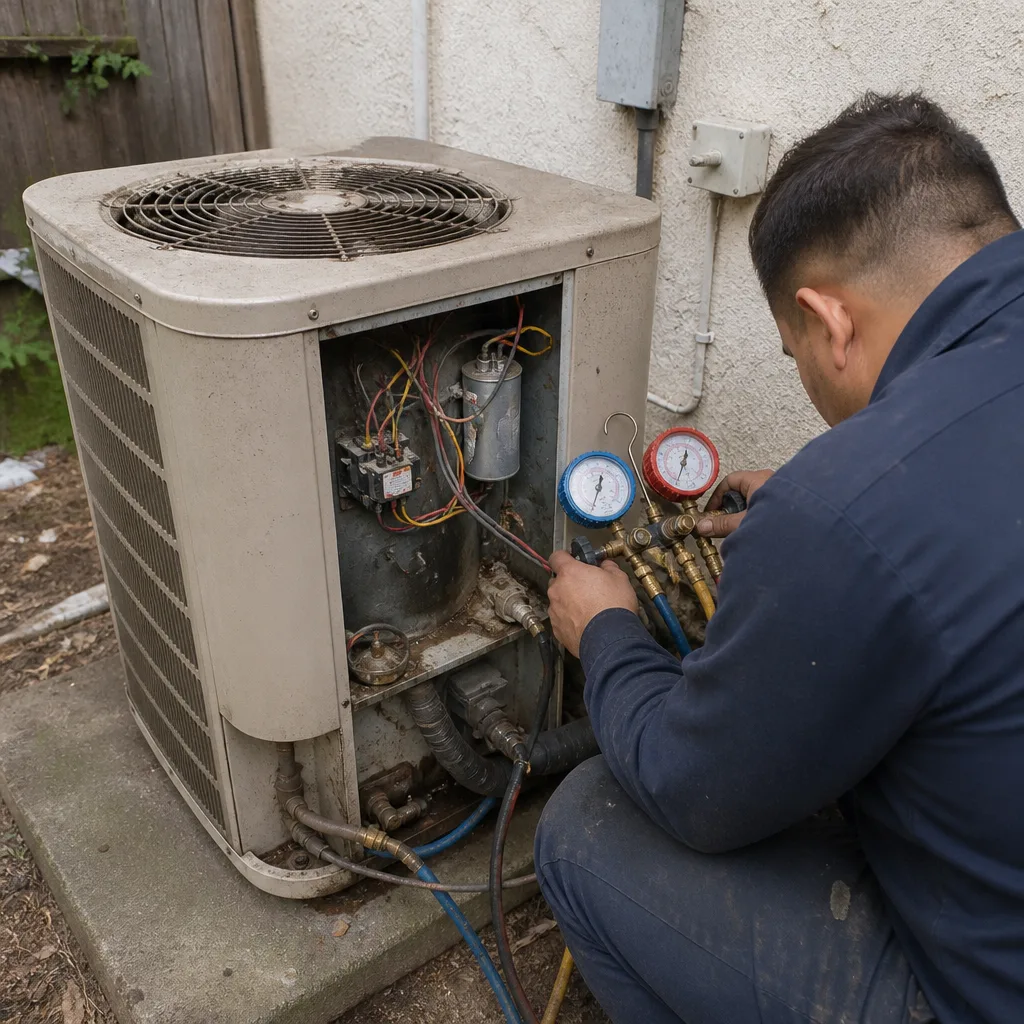 Before
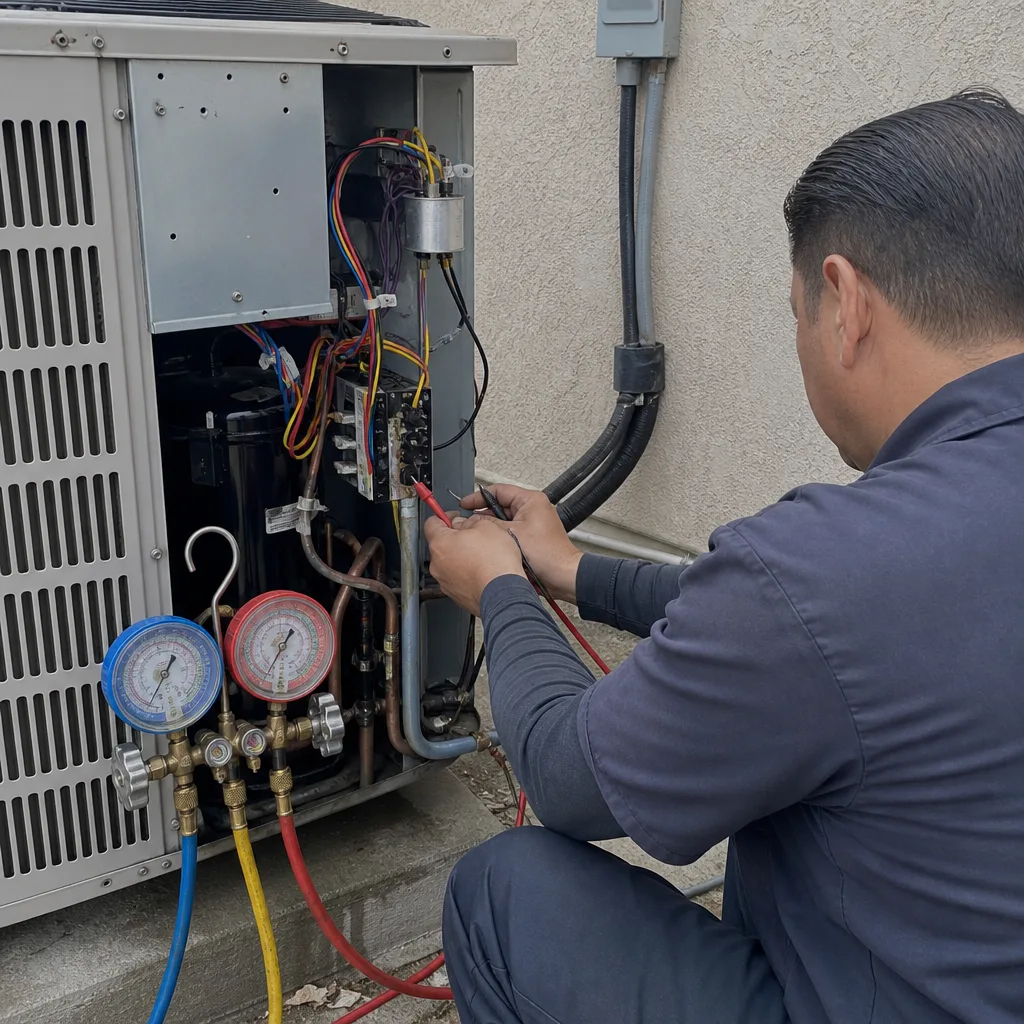 After
After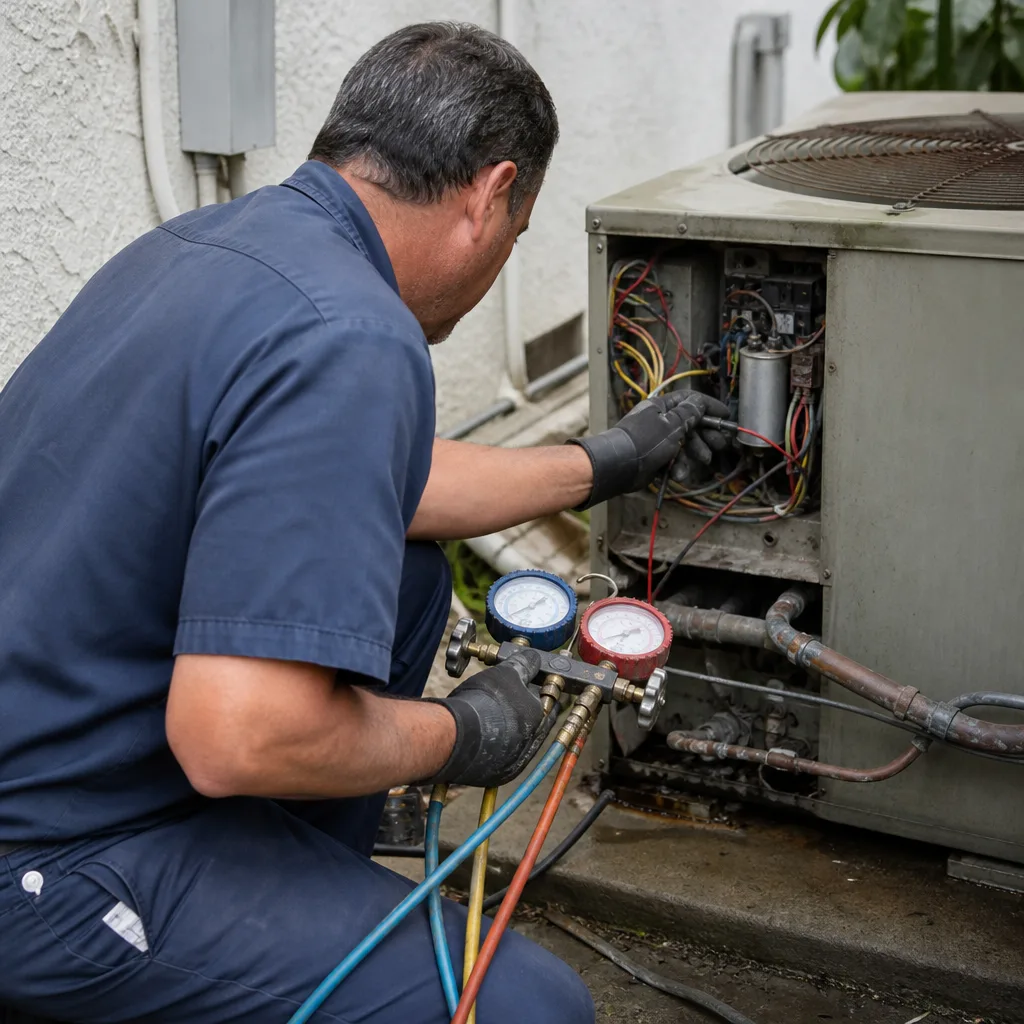 Before
 After
After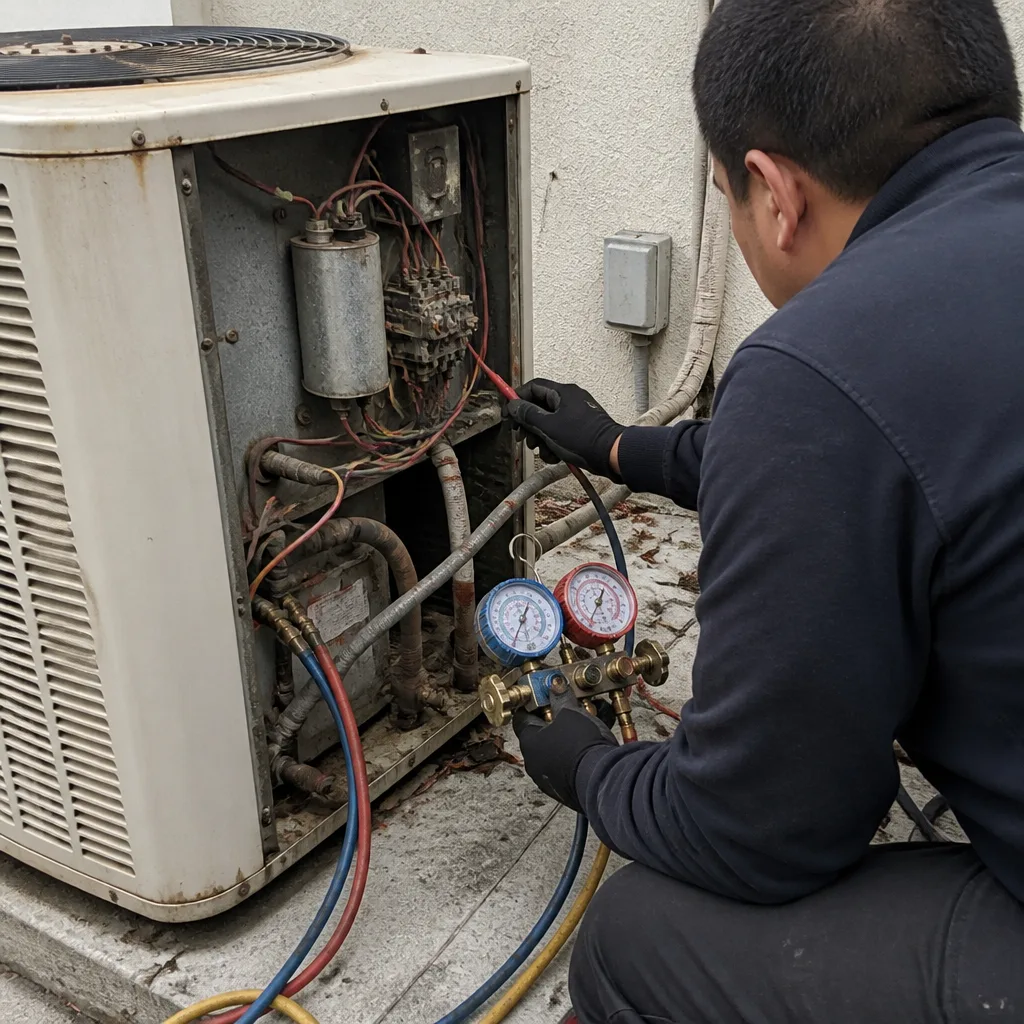 Before
 After
After