
Last updated October 16, 2026
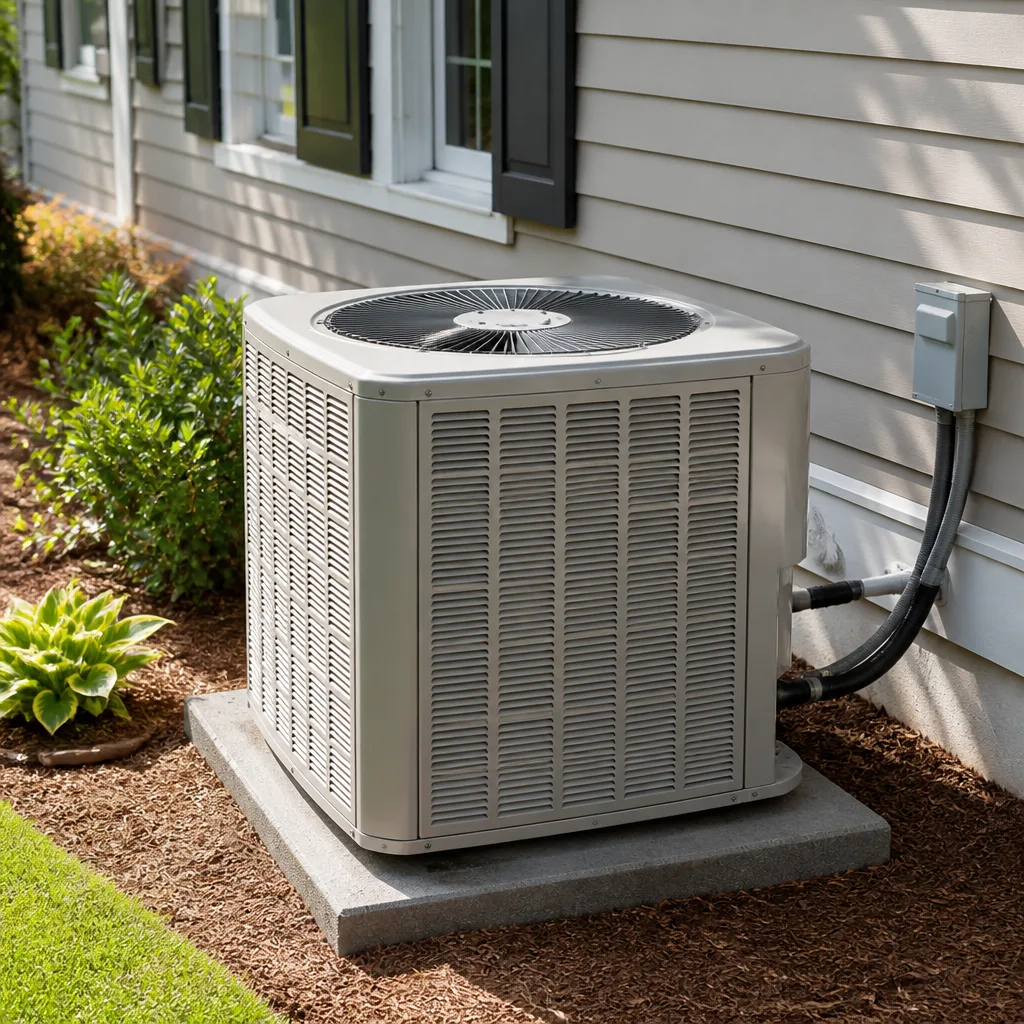 AC repair
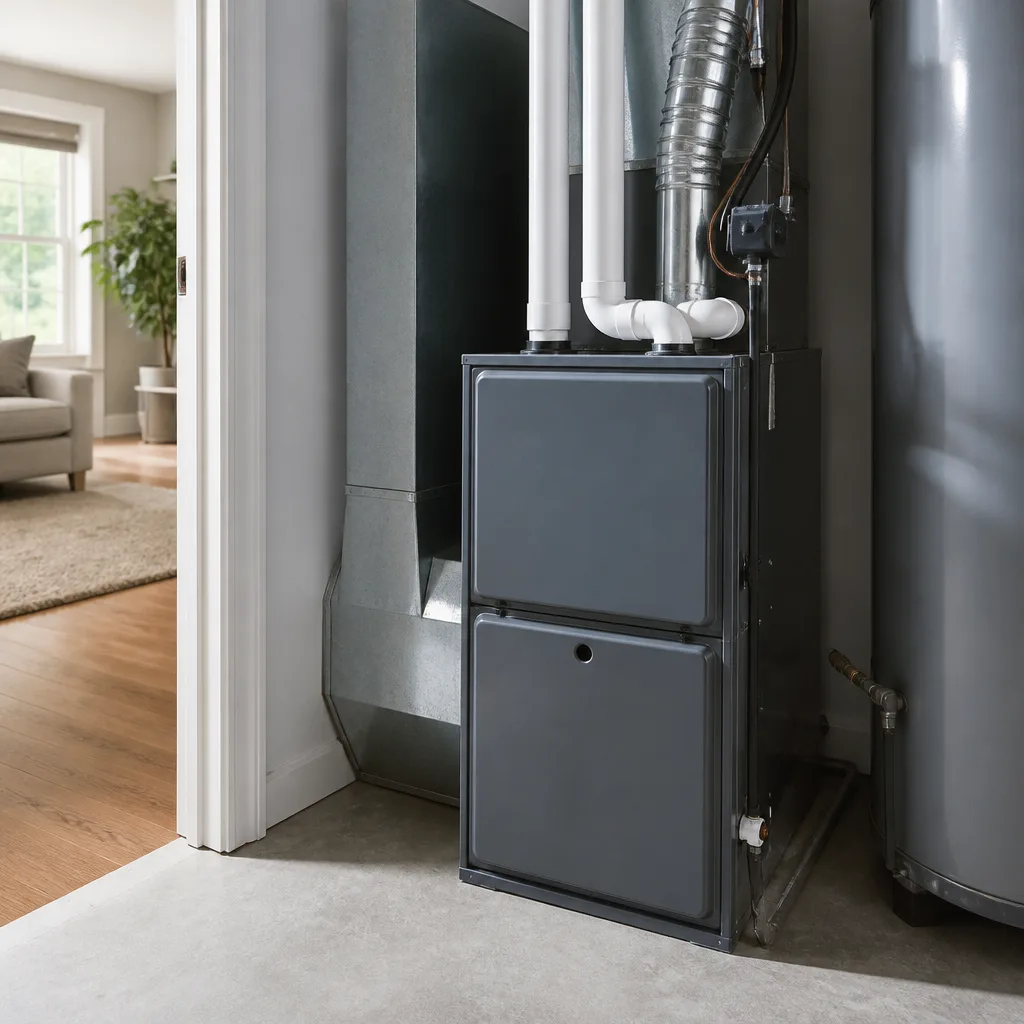 Furnace & heating
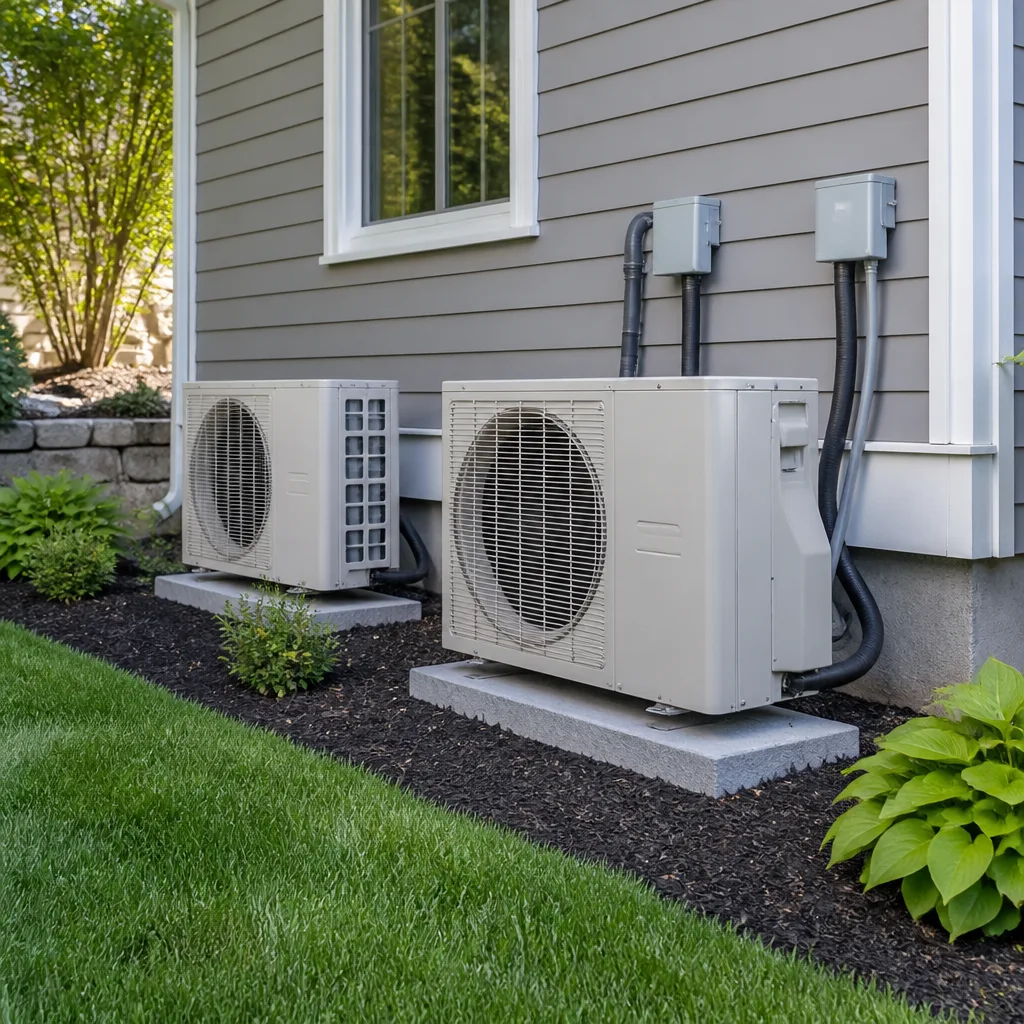 Heat pumps
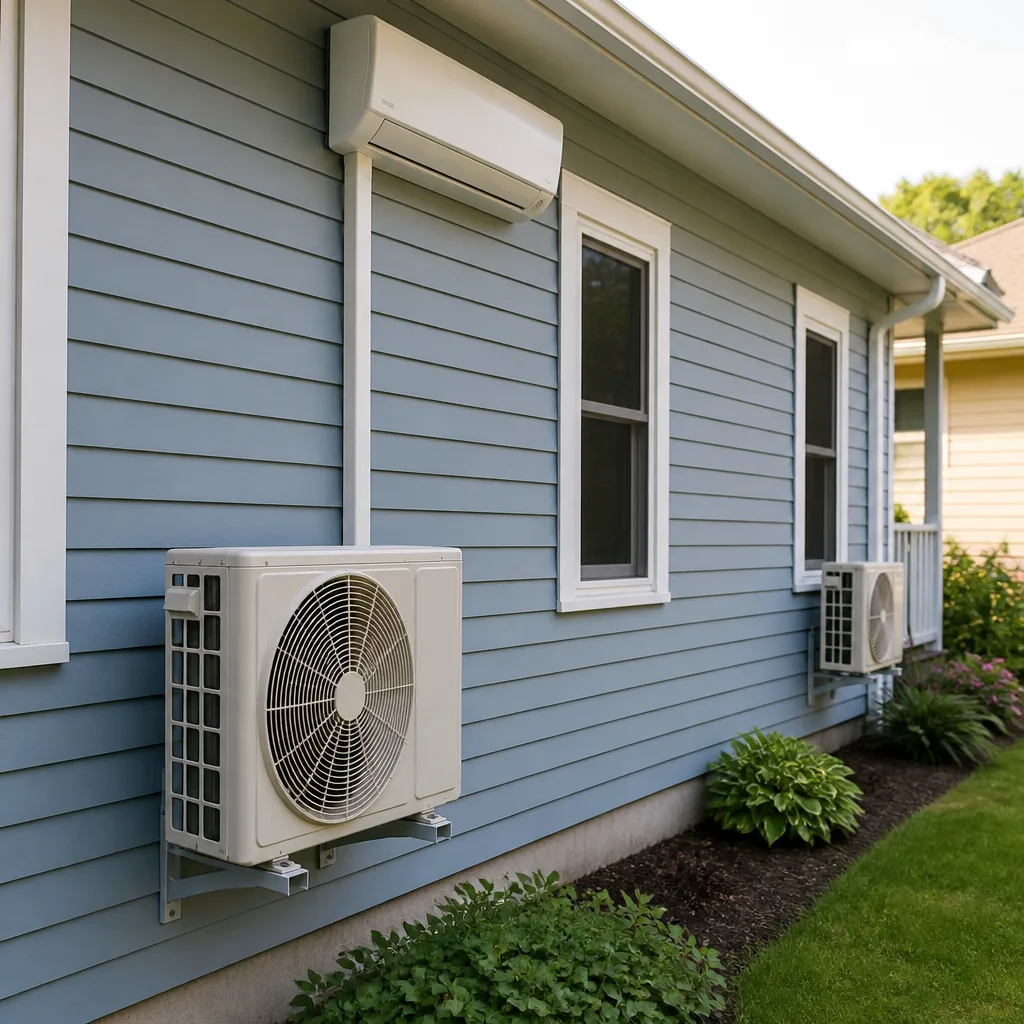 Ductless mini splits
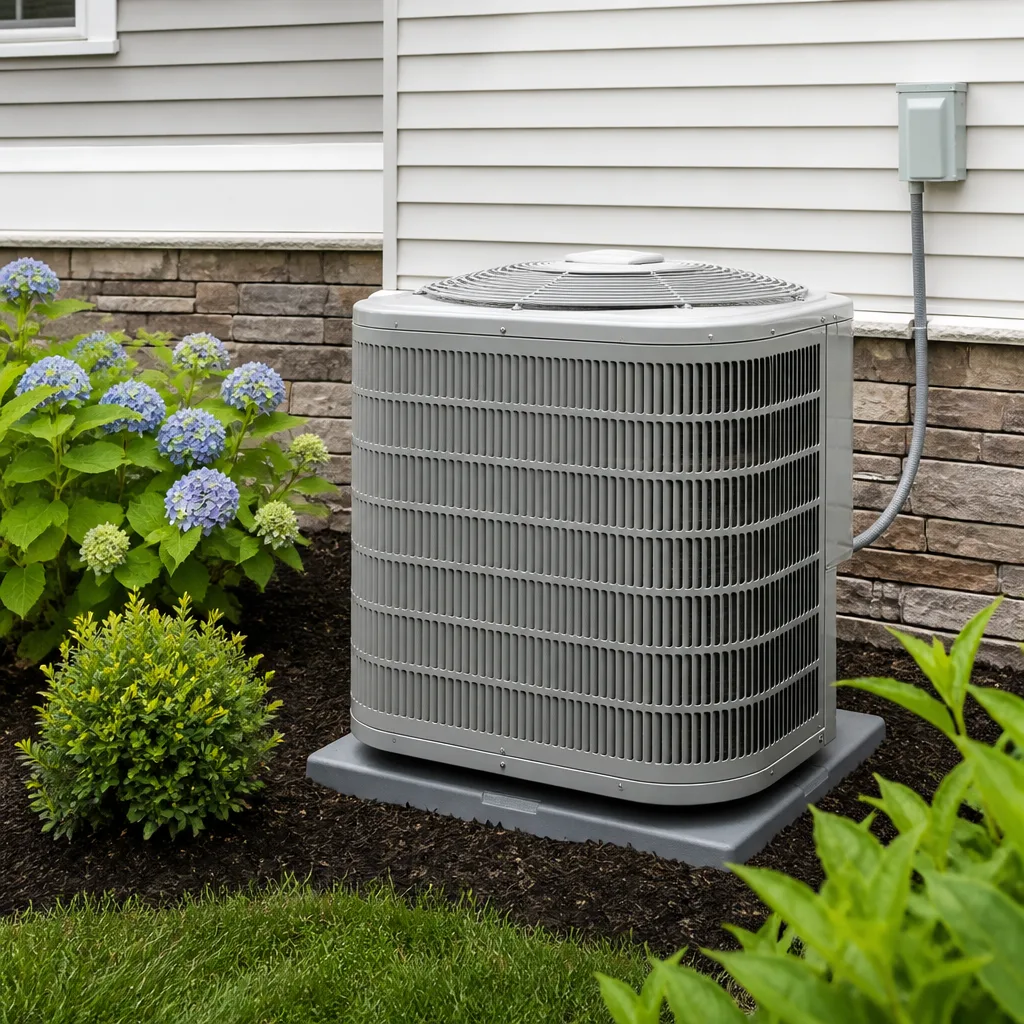 Carrier
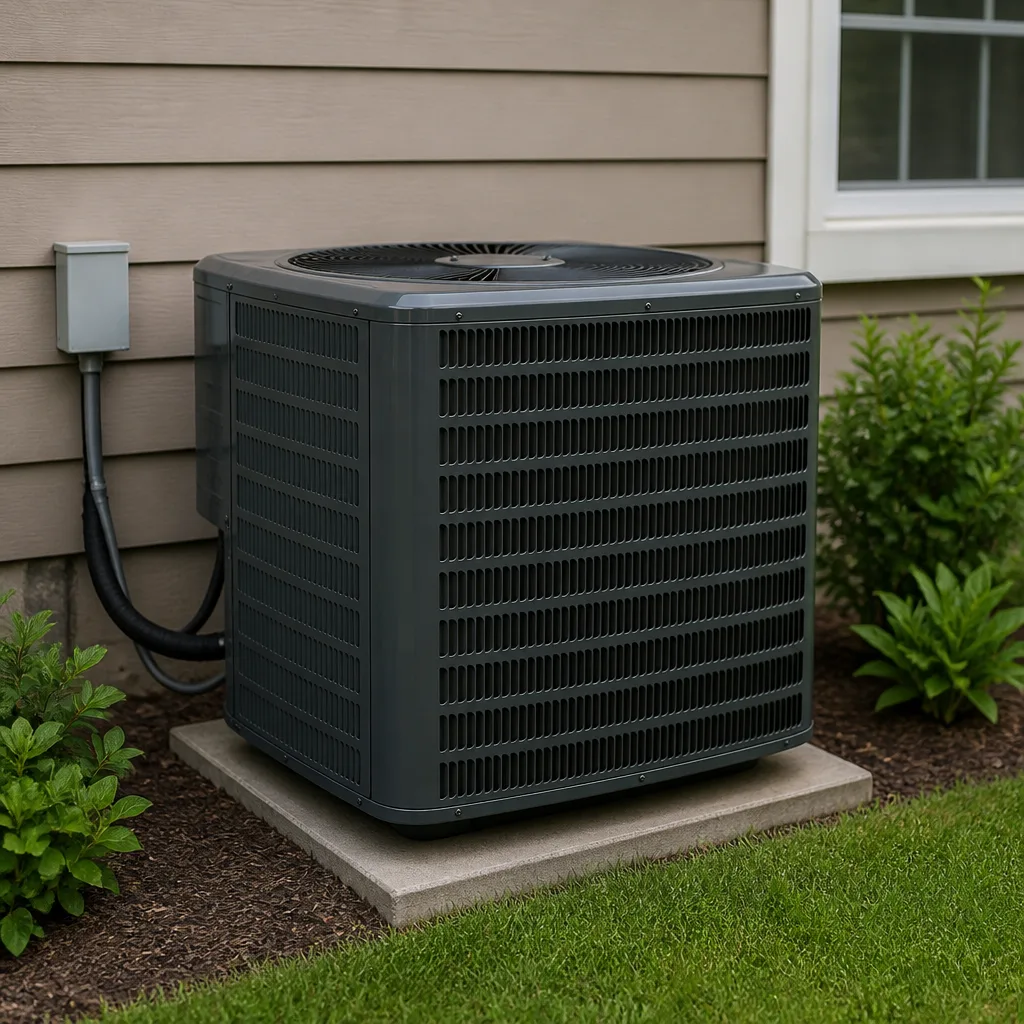 Goodman
Seasonal tune-up and full diagnostic on your Carrier, Trane, or Goodman system - readings shown to you before any repair is proposed
Diagnosis first, numbers second - you approve the repair price before a single part goes in.
Get your free estimateSeasonal HVAC Care for Torrance: Year-Round Homeowner’s Guide
Torrance sees roughly 265 days a year where most residents never touch their thermostat. That sounds like a gift, but those idle days are exactly when your HVAC system takes its biggest beating. The real enemy here isn’t extreme heat or cold. It’s the salt-laced, humid air rolling in off Santa Monica Bay that works on your outdoor condenser, coils, and electrical connections every single day, whether the system is running or not. This guide walks you through a month-by-month maintenance plan built specifically for Torrance’s coastal climate, so you can stop guessing and start preventing the failures we see most often in this city.
Quick Answer
Seasonal HVAC care in Torrance means shifting your maintenance schedule away from the generic “spring and fall tune-up” model and toward a year-round rhythm built around the marine layer, salt air, and the August heat spike. In practical terms, that means scheduling your professional inspection in November or December when demand is low, cleaning coils during the winter idle window, and doing two small DIY checks each year: replacing the air filter every 60-90 days and making sure the outdoor unit stays free of debris. Homeowners near the coast should add an annual corrosion inspection that inland homeowners can safely skip every other year.
Styles & brands we work with
Table of Contents
- Why Torrance’s Climate Is Harder on HVAC Than It Looks
- Month-by-Month HVAC Calendar for Torrance
- The November – February Idle Window: Your Best Maintenance Opportunity
- The May – July Marine Layer and Indoor Humidity
- August Heat Spike Preparation: The Two Components That Fail First
- Why Coastal Torrance Needs an Annual Corrosion Inspection
- Common Mistakes to Avoid
- When to Call a Professional
- Frequently Asked Questions
- The Bottom Line
Why Torrance’s Climate Is Harder on HVAC Than It Looks
If you live in Torrance, you already know the weather pattern: morning overcast, afternoon burn-off, evening cool-down, repeat. It rarely gets above 85°F and almost never dips below 40°F. That mildness creates a false sense of security. Your HVAC system isn’t fighting extreme temperatures, but it is fighting something worse: constant exposure to salt spray, humidity, and the chemical compounds in coastal air. We’ve pulled apart condenser units in the Hollywood Riviera and South Torrance that looked pristine on the outside but had corroded coil fins and pitted electrical contacts on the inside, damage that built up slowly over years of “not running much.”
Here’s what actually happens. The outdoor condenser unit sits outside 365 days a year. Salt particles from ocean air settle on the aluminum fins and copper tubing. When the morning marine layer rolls in and raises humidity, those salt deposits create a mild electrolytic reaction that accelerates corrosion. Even when the AC isn’t running, this process continues. By the time you fire up the system on the first hot day in July or August, you may be asking a corroded, weakened system to perform at full capacity for the first time in months. That’s when things fail. We also see more spider webs, rodent nests, and insect intrusion in Torrance than in drier inland areas like North Torrance or the South Bay’s eastern edges, because pests are drawn to the moisture around the condenser.
Understanding this changes how you should think about maintenance. You’re not preparing for a season. You’re managing a 12-month deterioration cycle.
Month-by-Month HVAC Calendar for Torrance
Most HVAC maintenance guides give you a generic “spring tune-up and fall tune-up” template. That works in Phoenix or Minneapolis. It doesn’t work in Torrance, where the system’s biggest vulnerabilities emerge during the months you’re not using it. Here’s the schedule we recommend to homeowners across Torrance, based on the failures we actually see in the field.
January – February: The deep-idle window. Your system is barely cycling. This is the ideal time for a full professional inspection, coil cleaning, and electrical connection check. Technicians aren’t slammed with emergency calls, so you’ll get the most thorough service at the most relaxed pace. If your system is 8 years or older, this is also the right time to pull a maintenance history and decide whether a proactive repair makes more sense than waiting for failure in August.
March – April: Transition check. As the marine layer pattern shifts and days start warming slightly, do a quick DIY walkaround of your outdoor unit. Look for leaf litter, cobwebs, or signs of pest intrusion accumulated over winter. Check the drain line on your indoor unit for any moisture buildup or musty smell. Replace the air filter if it’s been 60 days or more. If you hear any unusual noise when the system kicks on, that’s a call-worthy symptom now, not in July.
May – July: Marine layer humidity peak. The overcast mornings and damp air do two things: they keep temperatures moderate so your AC runs less, and they raise indoor humidity enough to make things uncomfortable even at 75°F. We cover this in depth below, but for now: monitor indoor humidity levels. If your home consistently sits above 60% relative humidity during these months, a standalone dehumidifier may be the cheaper fix than running your AC to dry things out.
August: The heat spike. Torrance gets its hottest days of the year, usually in late August and early September. After months of light use, your system now has to perform at full capacity. This is when capacitors and contactors fail. We cover which components are most vulnerable and how to prepare below.
September – October: Retrograde maintenance. Most homeowners forget about their HVAC during these months. Big mistake. This is the best window for a post-summer inspection that catches damage from the heat spike before it sits all winter. Corrosion accelerates when temperatures drop and humidity stays high, which is exactly what happens in Torrance fall.
November – December: Preparation for the idle season. Before the system truly goes quiet, do a clean filter install and schedule any needed repairs. You want the unit sealed and protected before the next marine layer cycle starts.
The November – February Idle Window: Your Best Maintenance Opportunity
Here’s a counterintuitive truth about HVAC in Torrance: the best time to maintain your air conditioner is when you’re not using it. During November through February, your system cycles minimally. That means a technician can open the unit, inspect every component, clean the coils, check refrigerant pressures, and test the electrical systems without any pressure to get your cooling back online immediately. If a part is wearing down, there’s time to order it and replace it before you ever need the system to perform.
Why not do this in spring like every other guide says? Because every other guide is written for climates with real winters. In Torrance, spring is when the marine layer is thickest and the humidity is spiking. Cleaning coils in April or May means you’re cleaning off a winter of salt and grime that’s already had time to do damage. Doing it in November or December means you’re interrupting the corrosion cycle at its midpoint, before the wet months set in.
Here’s a step-by-step for making the most of this window:
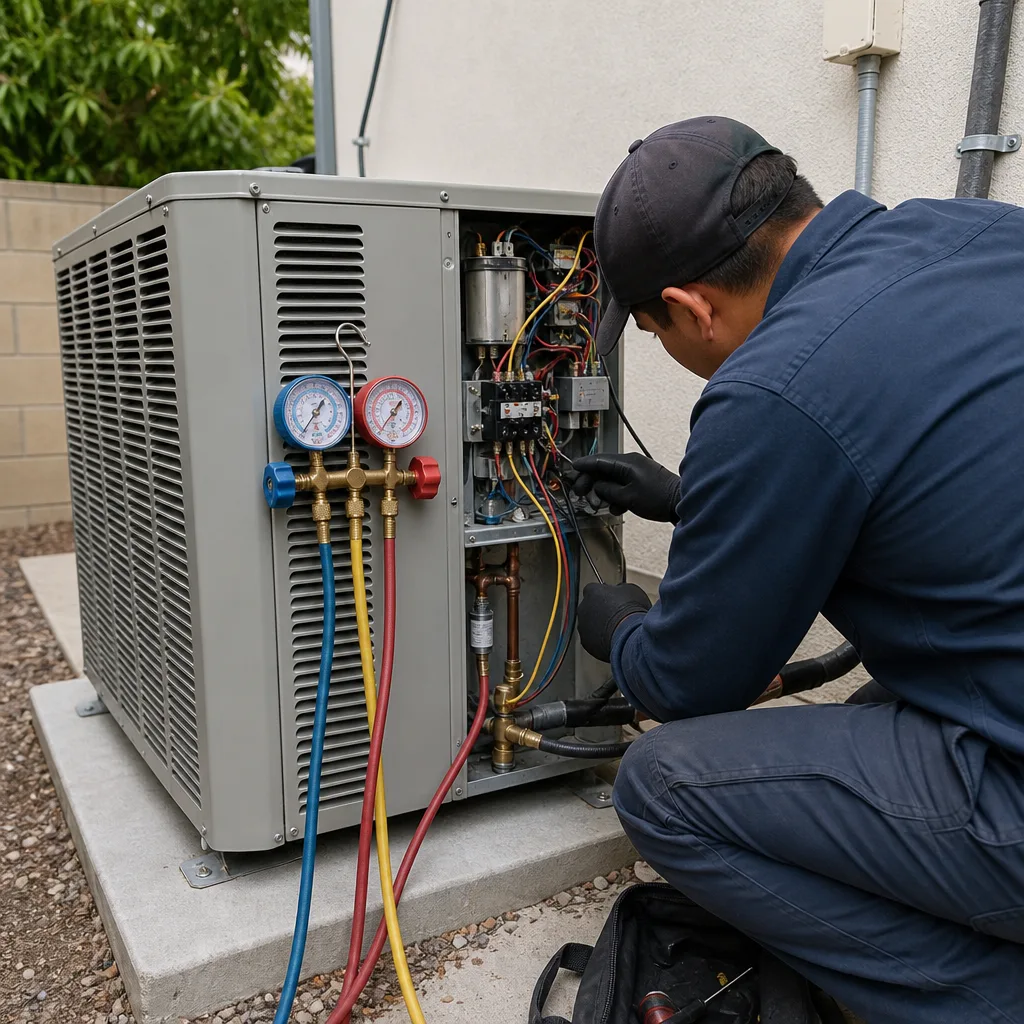
- Schedule a professional inspection in November or December. A thorough service at Halden Heating & Air includes a coil cleaning, electrical connection tightening, capacitor test, refrigerant level check, and drain line flush. Every service ends with a written report of what was found and what’s likely to need attention in the next 6-12 months.
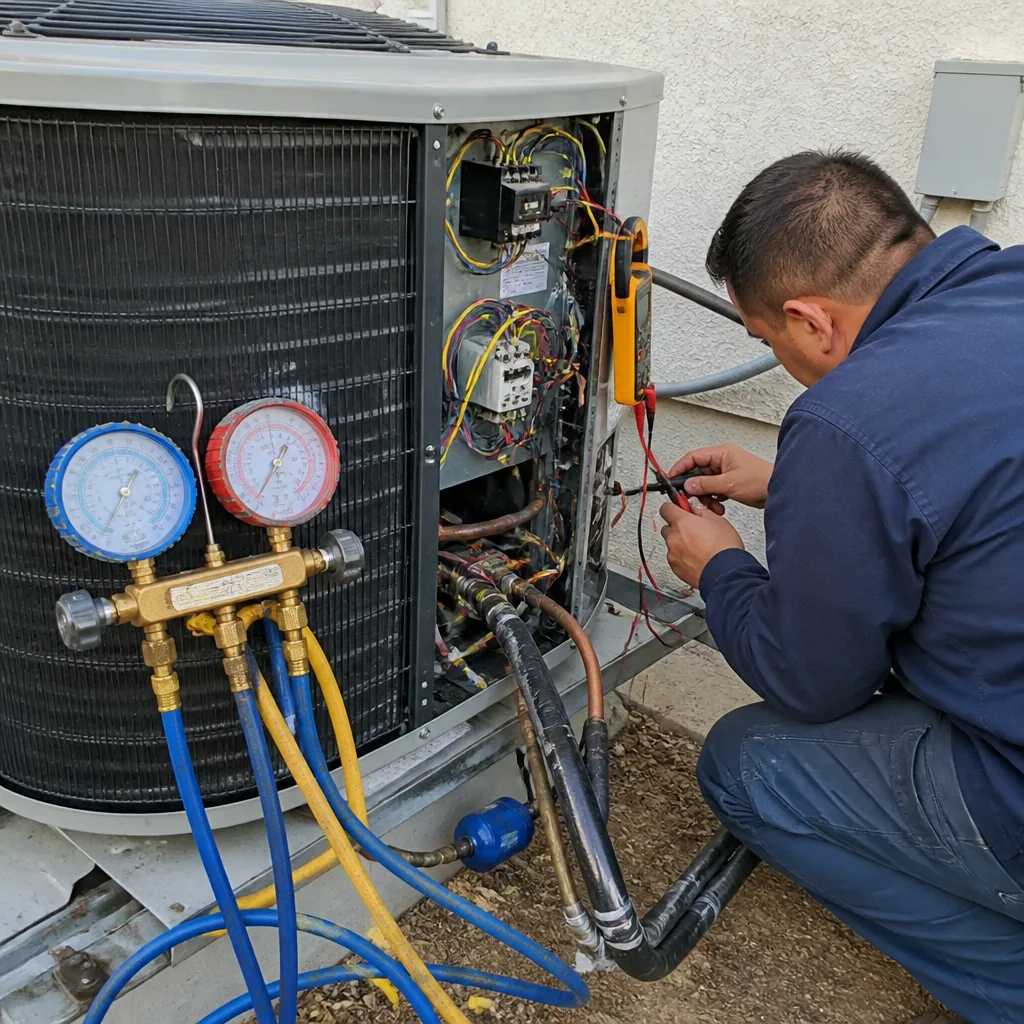
- Ask for a capacitor reading. Capacitors are the most common failure point in Torrance systems, and they degrade even when the system isn’t running. A capacitor reading in December tells you whether you’re likely to face a no-cool call in August.
- Have the condensate drain line cleared. Humid coastal air means more biological growth in drain lines. A clogged drain line can cause water damage and trigger a system shutdown. This is a 10-minute fix during a routine service, but it’s a costly emergency if caught in July.
- Replace the air filter before the idle season. A fresh filter going into winter means the system isn’t circulating dust and allergens through the house during the months when windows are mostly closed.
- Wrap up any outstanding repairs before the holidays. The last thing you want is a system failure in mid-December when you’re hosting family and the HVAC company is working a reduced holiday schedule. Handle it in November.
In our experience, homeowners who shift their maintenance to the winter idle window see fewer summer breakdowns than those who wait for spring. It’s not magic. It’s just physics: you’re removing corrosion before it has a chance to compound.
The May – July Marine Layer and Indoor Humidity
From roughly May through July, Torrance gets socked in with morning overcast that burns off by early afternoon. The marine layer doesn’t just block the sun; it fills the air with moisture. Your outdoor unit is sitting in damp air for hours every morning. More importantly, your indoor air is pulling in that humidity every time a door opens or a window cracks. We hear the same complaint every June from homeowners in West Torrance and the Seaside neighborhood: “It’s not even hot, but my house feels sticky.”
That sticky feeling is humidity. In Torrance during marine layer months, indoor relative humidity often sits between 60% and 75%. That’s well above the comfort zone of 40% to 50%. Here’s the mistake homeowners make: they crank the AC to dry out the air. But your air conditioner is a lousy dehumidifier when temperatures are only in the mid-70s. The system doesn’t run long enough to pull meaningful moisture from the air, so you end up cold and clammy, with a bigger energy bill and no real comfort gain.
The better move for many Torrance homes is a standalone dehumidifier. Here’s the math. A portable dehumidifier that can pull 40-50 pints per day costs roughly $200 to $350 and runs at around 300-500 watts. Running it 12 hours a day during marine layer months adds maybe $15 to $25 to your monthly electric bill. Running your central AC to achieve the same moisture removal would cost $60 to $100 more per month and make your house unnecessarily cold. If you live in a two-story home in South Torrance or near the coast, the upstairs is typically the worst offender, and a single dehumidifier on the upper floor solves most of the problem.
That said, dehumidifiers aren’t a universal fix. If your home is well-sealed with modern double-pane windows and you have a newer variable-speed AC unit, your system may already be doing a decent job of humidity control. In that case, running the fan on “auto” rather than “on” during marine layer months prevents the system from blowing moisture back into the house after the compressor cycles off. If you’re not sure which category you fall into, a quick look at your indoor humidity levels over a week of marine layer mornings will tell you.
August Heat Spike Preparation: The Two Components That Fail First
Torrance’s hottest days typically arrive in late August and early September, when the marine layer retreats and temperatures climb into the high 80s and occasionally low 90s. After months of light use, your AC system suddenly has to run hard for several hours a day. We see the same pattern every year: a wave of service calls in the third week of August, and the vast majority involve one of two components.
The capacitor. A capacitor is the electrical component that gives your compressor and fan motor the initial jolt of power they need to start spinning. Think of it as the starter on a car. Capacitors degrade over time, and they degrade faster when they sit in a hot, salty environment. In Torrance, capacitors on outdoor units are exposed to salt air year-round, which accelerates the breakdown of the dielectric material inside. On the first 85°F day after months of light use, a weakened capacitor often gives out entirely. The symptom: your outdoor unit hums but doesn’t start, or the fan spins slowly and then stops. The good news is that capacitors are relatively inexpensive to replace (most run $150 to $350 installed, depending on the unit), and a capacitor reading taken during a winter inspection can tell you if yours is heading toward failure.
The contactor. A contactor is the relay that connects electrical power to the compressor and fan when your thermostat calls for cooling. In coastal environments, contactors develop pitting and corrosion on their contact surfaces, which creates electrical resistance and heat. Over time, the contacts can weld themselves together or burn out completely. The symptom: your AC won’t turn off, or it cycles erratically, or it won’t turn on at all. Like capacitors, contactors can be tested during a routine inspection before they fail.
Here’s the simple eight-point preparation checklist for Torrance’s August heat spike:
- Replace or clean your air filter in mid-July. A dirty filter restricts airflow, which makes the system work harder and increases the strain on the capacitor and contactor.
- Clear debris from around the outdoor unit. Leaves, grass clippings, and spider webs restrict airflow and trap heat.
- Test the system in early August. Set your thermostat to cooling and let it run for 30 minutes. Listen for any noise, check for cold air at the vents, and confirm the outdoor fan is spinning normally.
- Check your thermostat batteries. A dead thermostat on an 88°F day is a frustrating, avoidable problem.
- Make sure all supply vents are open and unblocked. Closed vents increase static pressure and reduce system efficiency.
- Inspect the condensate drain line for any pooling water or musty smell in the air handler closet.
- If your system has been running fine but hasn’t been professionally inspected in 2 or more years, schedule a tune-up in early August before the heat arrives.
- Know who to call. Halden Heating & Air Torrance answers live 24/7. If your system fails during a heat wave, you’ll get a real person on the phone ((424) 358-3791), a written price before any work starts, and a technician assigned with a trackable arrival time.
Why Coastal Torrance Needs an Annual Corrosion Inspection
Torrance is a coastal city, but not every Torrance homeowner faces the same corrosion risk. If you live west of Hawthorne Boulevard in the Hollywood Riviera, Seaside, or Southwood neighborhoods, your outdoor unit is getting hit with salt air on a regular basis. If you live east of Madrona Avenue in North Torrance or near the Del Amo Fashion Center, you’re far enough from the ocean that corrosion is a slower-moving problem. These differences matter.
Salt air attacks two parts of your HVAC system most aggressively. The first is the condenser coil, which is made of aluminum fins pressed onto copper tubing. Salt deposits on the fins create galvanic corrosion, which eats away at the aluminum over time. The second is the electrical connections inside the unit: terminals, wire nuts, and contactor surfaces. Salt and moisture form a conductive paste that degrades connections and causes arcing. Both problems develop invisibly, inside the unit, and both lead to expensive failures if left unchecked.
Here’s our actual recommendation, based on what we see in Torrance:
- Homes west of Hawthorne Boulevard: Schedule a professional corrosion inspection every year. This includes coil cleaning with a corrosion-inhibiting treatment, checking and resealing all electrical connections, and inspecting the cabinet for signs of structural corrosion. Most coastal homeowners in this area see meaningful coil degradation within 3-5 years if they skip these inspections.
- Homes between Hawthorne and Crenshaw: Every 2 years is usually sufficient, unless you’re within a quarter mile of the coast or your outdoor unit faces west with direct ocean exposure.
- Homes east of Crenshaw: You can usually go 2-3 years between corrosion inspections, though annual filter changes and basic maintenance still apply.
One more thing: if your outdoor unit is directly visible from the street and you’re in a coastal neighborhood, the cabinet itself may show rust within 5 years. That’s primarily cosmetic, but it’s also a signal that the internal components are experiencing similar conditions. If you’re looking at a new AC installation in a coastal Torrance neighborhood, ask about units with special corrosion protection, like those offered by Daikin and American Standard in their coastal-rated product lines. Those coatings buy you additional years, though they don’t eliminate the need for maintenance.
Key Takeaways
- Torrance’s biggest HVAC risk isn’t extreme temperatures. It’s the salt air and humidity from the marine layer that cause corrosion 365 days a year.
- Shift your professional maintenance to November – December when the system is idle. This is the best window for thorough service and proactive repairs.
- Capacitors and contactors are the two components most likely to fail on the first 85°F day in August. Both can be tested before they fail.
- Marine layer humidity in May – July is often better managed with a $200-$350 dehumidifier than with running your AC.
- Coastal Torrance homeowners should get an annual corrosion inspection. Inland homeowners can typically go every 2-3 years.
Common Mistakes to Avoid
- Following a generic spring/fall maintenance schedule. Torrance’s climate doesn’t match the rest of the country. Spring is the worst time to do a deep clean because you’re cleaning off a winter of salt damage that’s already compounded. November – December is far better.
- Assuming that because the AC runs less, it needs less maintenance. The opposite is often true. Idle time is when corrosion and pest intrusion do the most damage because nothing is cycling to burn off moisture or chase out intruders.
- Cranking the AC to manage marine layer humidity. When outdoor temperatures are in the mid-70s, running the AC to dehumidify is a wasteful, ineffective strategy. A standalone dehumidifier costs less to buy and run for this specific problem.
- Skipping the capacitor test during a tune-up. Capacitors fail silently over time, and the first symptom is usually a system that won’t start. Testing is cheap, and replacement before failure is always less expensive than an emergency call.
- Neglecting the outdoor unit because it “looks fine.” Salt air corrodes from the inside out. The coil fins may look clean while the electrical connections underneath are pitting and arcing. Professional inspection catches what a visual walkaround can’t.
- Waiting until August to schedule maintenance. By the time the heat spike arrives, the best maintenance windows are long gone, and you’re competing with emergency calls for technician time.
- Choosing a contractor who can’t show you written pricing. In the HVAC industry, door-to-door pricing is a red flag. Halden Heating & Air delivers a written price before any work starts, on every job. That’s part of the Relay Standard and The Relay Visibility Guarantee, and it’s what every Torrance homeowner should expect from an HVAC company.
When to Call a Professional
Some maintenance tasks are genuinely DIY-friendly: replacing the air filter, clearing debris from around the outdoor unit, and monitoring indoor humidity. But anything involving refrigerant, electrical components, or the internal workings of the condenser or air handler should be left to a trained professional. Refrigerant handling requires EPA certification, and capacitor replacement involves stored electrical charge that can cause injury if mishandled. If your system is making unusual noises, failing to start, blowing warm air, or tripping the breaker, that’s a call-worthy symptom. Don’t wait for the August heat spike to make it worse. Halden Heating & Air Torrance offers free estimates in Torrance and schedules online with a live arrival time you can track. Call (424) 358-3791 to speak with a live person, any time.
If you’re dealing with a specific issue, start with AC Repair in Torrance for cooling problems or Furnace Repair in Torrance for heating concerns. If the system is 15 years or older and repairs are becoming frequent, it may be time to look at AC Installation in Torrance.
Frequently Asked Questions
We recommend once a year for most Torrance homeowners, with the ideal window in November or December when the system is idle and technicians can work thoroughly. Coastal homeowners west of Hawthorne Boulevard should not skip the annual inspection. Homes east of Crenshaw can usually go 18-24 months between professional services if everything is running well. Call (424) 358-3791 for a free estimate on a tune-up.
Basic HVAC tune-ups in Torrance typically range from $100 to $200, depending on what the service includes. More thorough inspections with coil cleaning and corrosion treatment run $200 to $350. At Halden Heating & Air, every service includes a written price before work starts, a written report of what was found, and a guarantee on any repair performed. Call (424) 358-3791 for an exact quote.
If your system is under 10 years old and the repair costs less than 40% of a new unit’s price, repair usually makes sense. If your system is 12-15 years old, especially in a coastal Torrance neighborhood where corrosion is accumulating, replacement may be the better long-term investment. The decision hinges on the age of the unit, the scope of the failure, and your plans for the home. See our AC Installation in Torrance page for a realistic cost comparison.
Yes. Halden Heating & Air Torrance answers calls live 24/7, and in most cases we can have a technician to your home the same day or the next day during peak season. Every call starts with a real person on the phone, not a voicemail tree. Book online and track your technician’s arrival time to your door. Call (424) 358-3791.
Yes, depending on the equipment and your utility. Southern California Edison offers rebates on energy-efficient heat pumps and air conditioners, and some manufacturers including York, Bryant, and American Standard run seasonal promotions. AC Installation in Torrance with Halden includes rebate paperwork handled for you, so you don’t have to chase down the forms.
Yes, measurably. Homes west of Hawthorne Boulevard in neighborhoods like the Hollywood Riviera and Seaside experience significantly more coil and electrical corrosion than homes east of Crenshaw. The difference comes down to salt particle exposure, which is highest within a mile of the ocean and decreases as you move inland. An annual corrosion inspection is a smart move for coastal homes.
The Bottom Line
Torrance’s mild climate is a double-edged sword for HVAC systems. The lack of extreme temperatures means less mechanical strain, but the constant exposure to salt air, humidity, and marine layer moisture means a different kind of wear that compounds silently during the months you’re not thinking about it. The fix isn’t more maintenance. It’s better-timed maintenance, built around Torrance’s actual weather patterns: inspect in November – December, manage humidity in May – July, and prepare for the August heat spike with a capacitor and contactor check. Do that, and your system will deliver years of reliable service in a city where it should run for 15-20 years. Skip it, and you’ll likely join the August rush of emergency calls. If you want to get ahead of the pattern, start with a professional inspection from Halden Heating & Air Torrance. We answer live, price everything in writing, and stand behind the work with a 365-Day Done Right Promise. Call (424) 358-3791 or visit Halden Heating and Air Torrance home to book online.
Written by Andre Fuller, Owner at Halden Heating and Air Torrance, serving Torrance since 2004.
See the difference
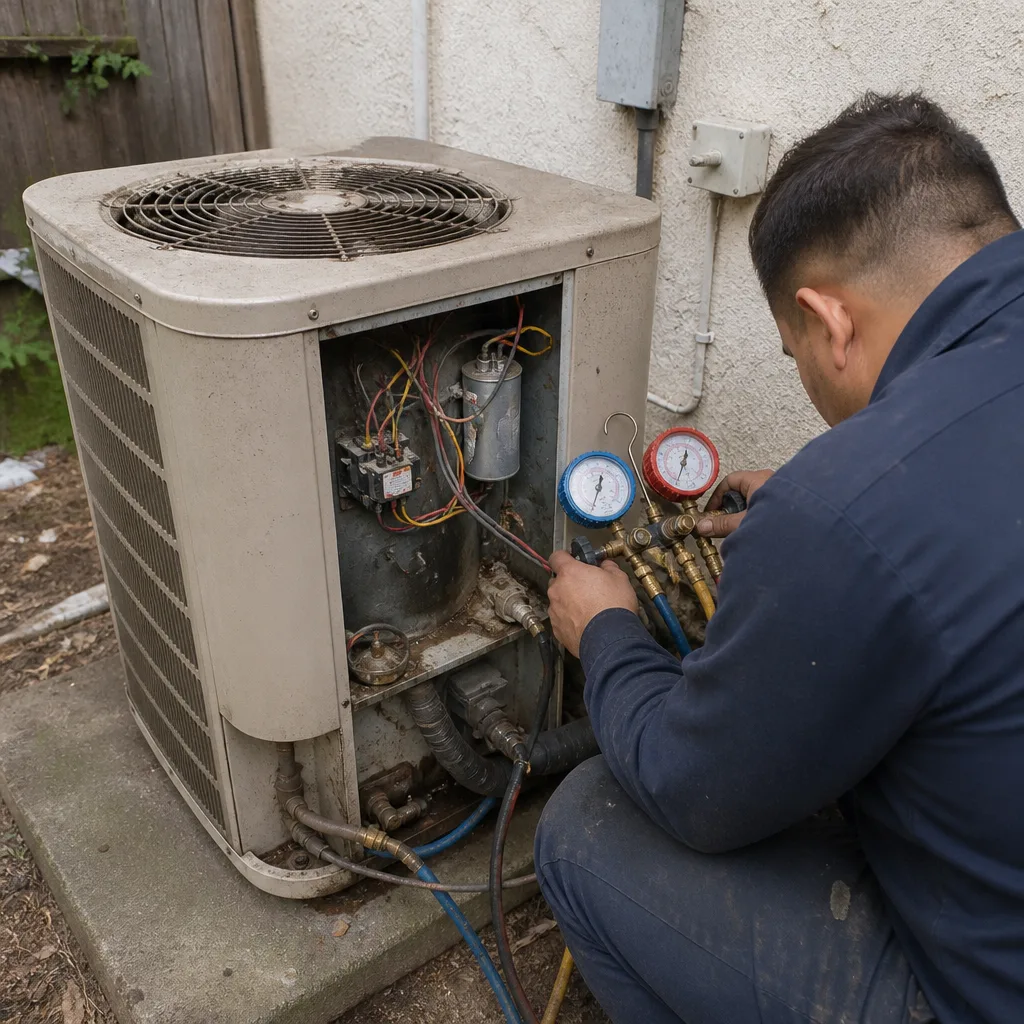 Before
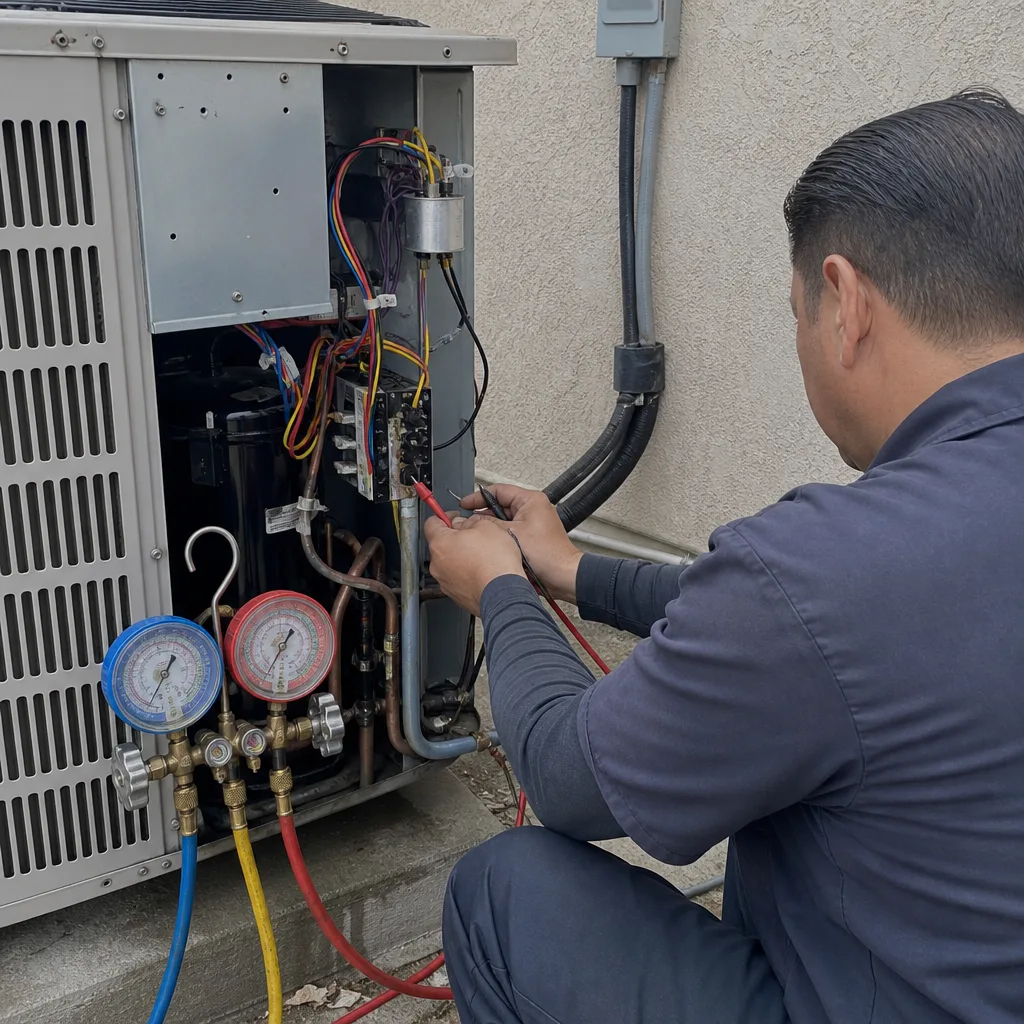 After
After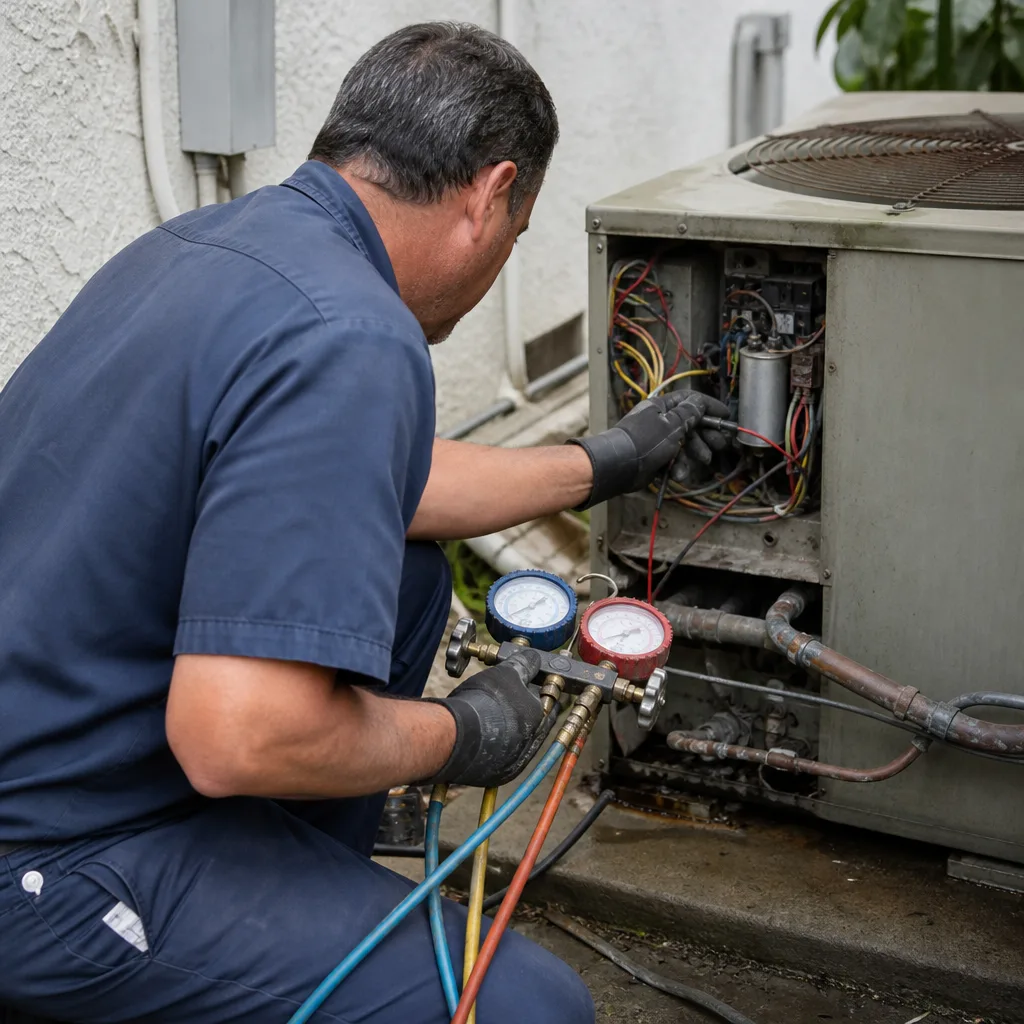 Before
 After
After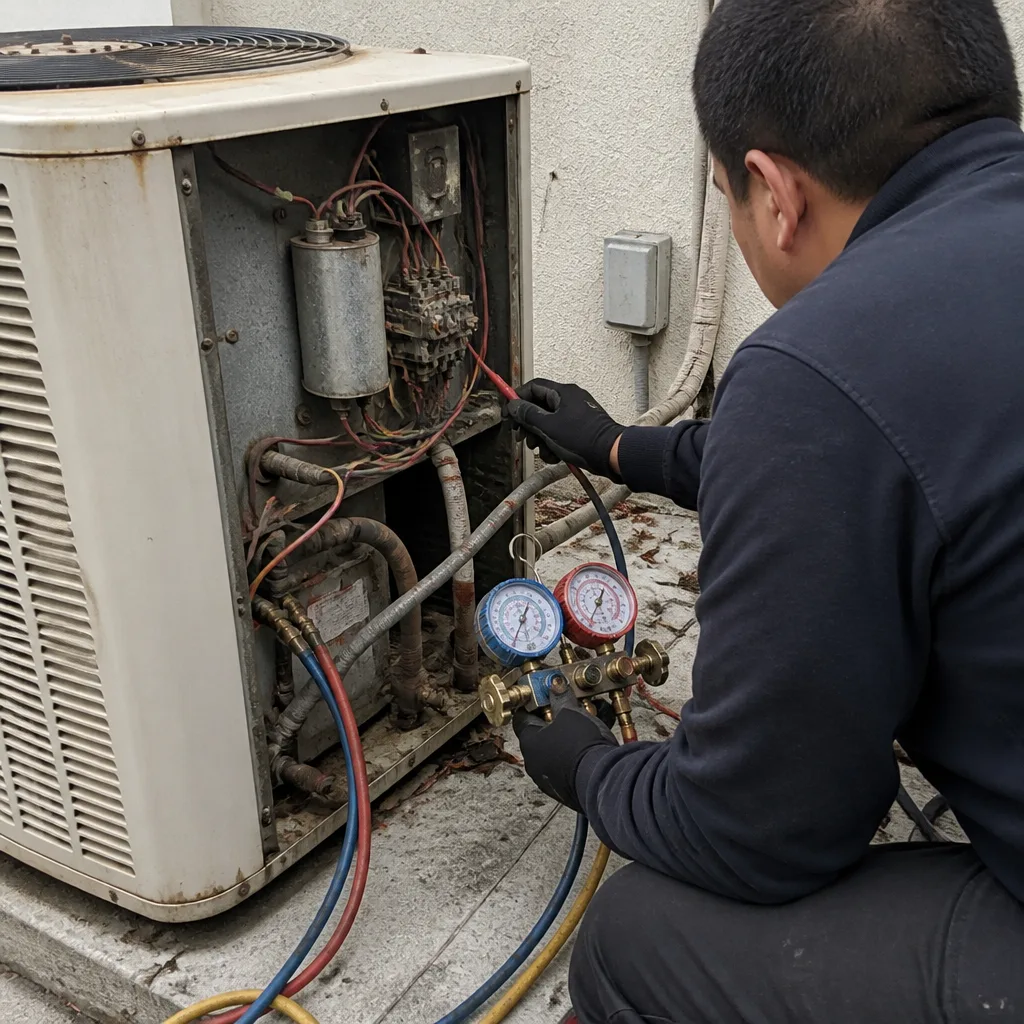 Before
 After
After