
Last updated October 16, 2026
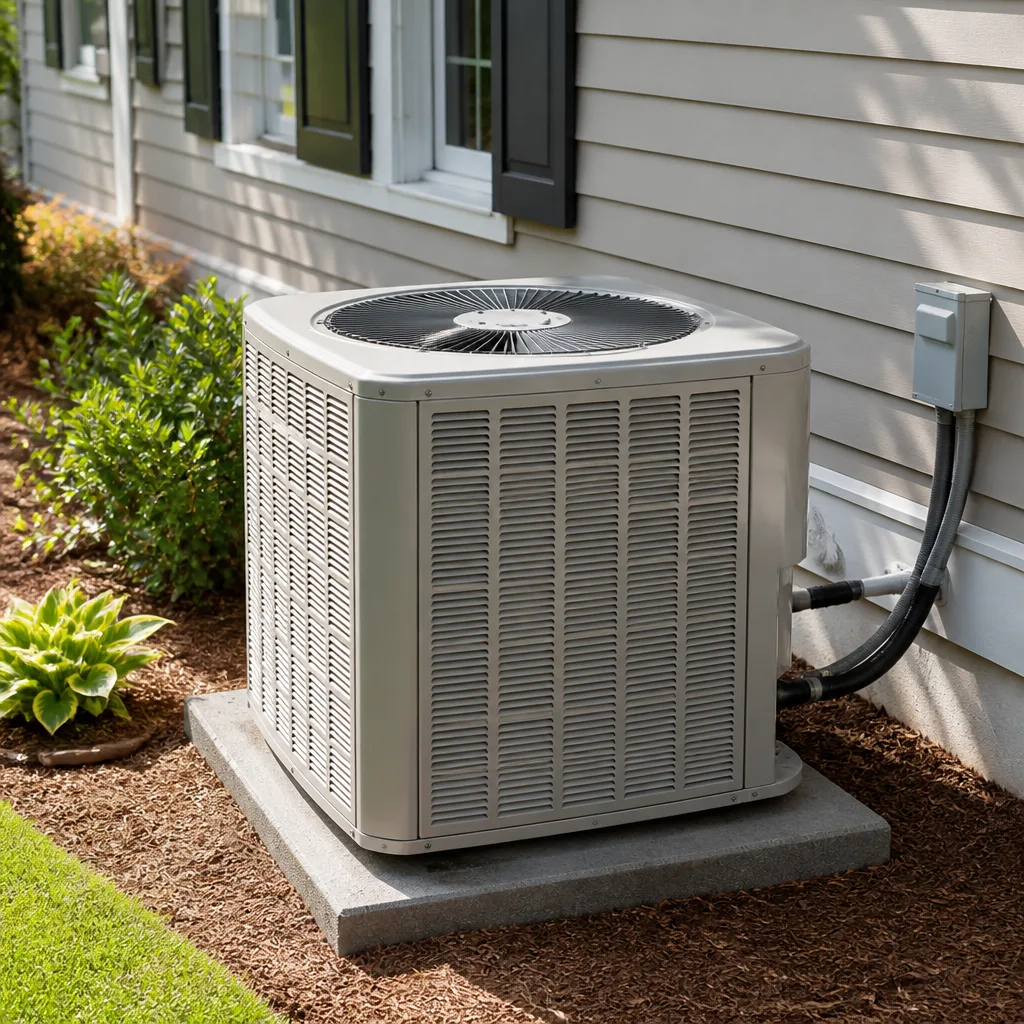 AC repair
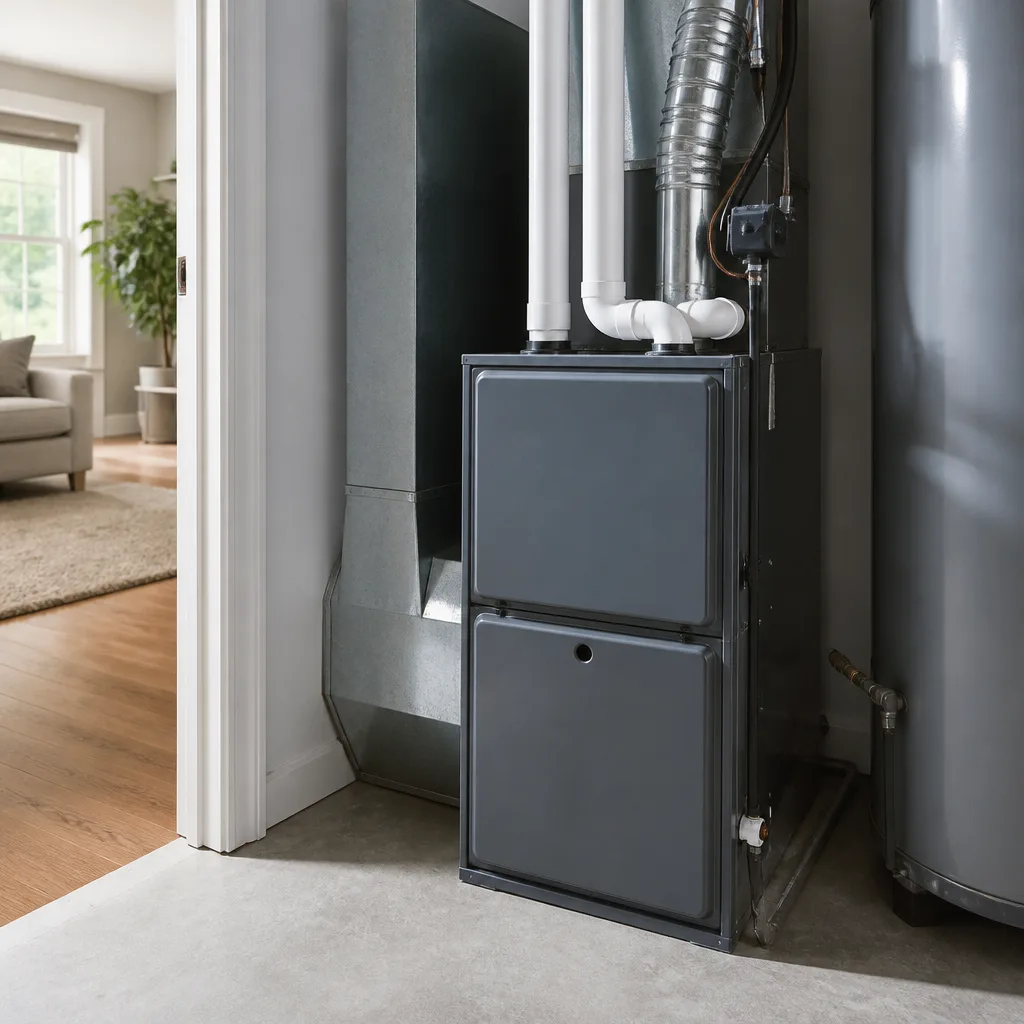 Furnace & heating
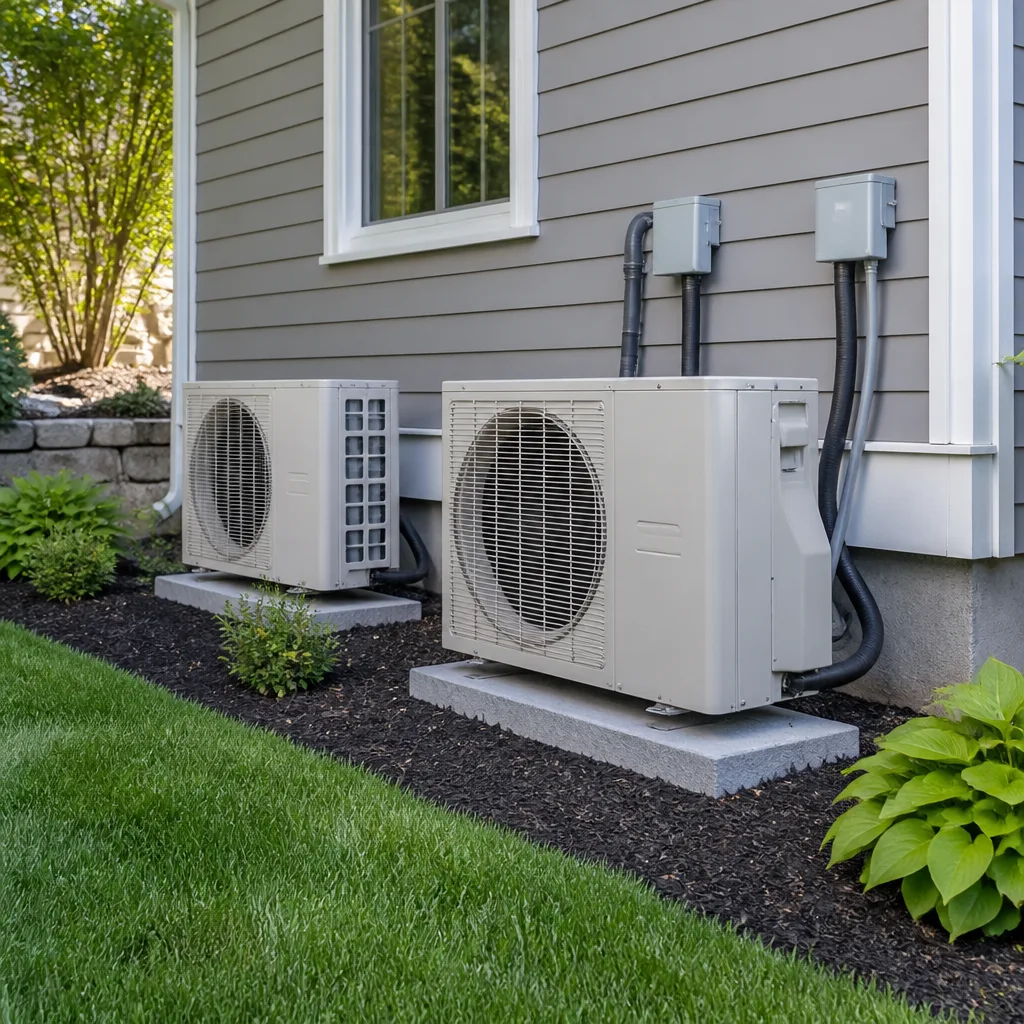 Heat pumps
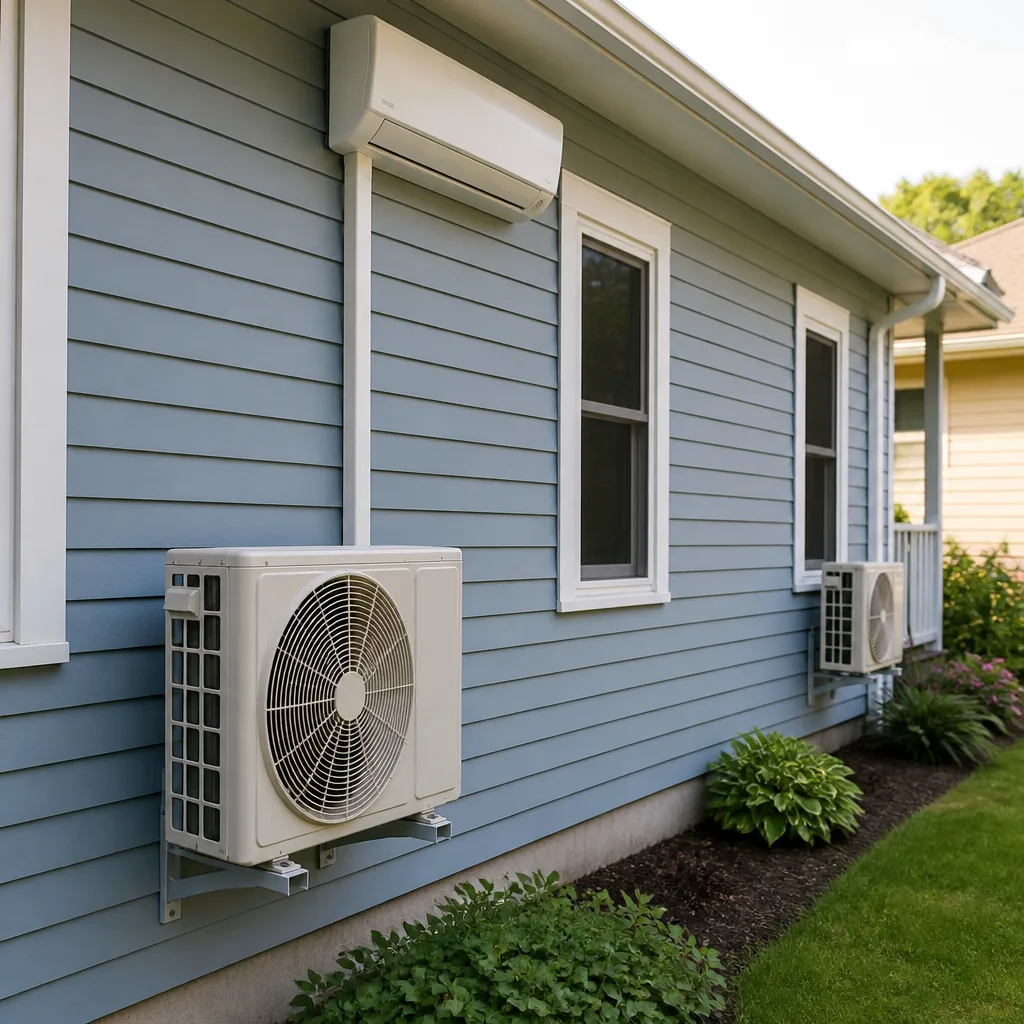 Ductless mini splits
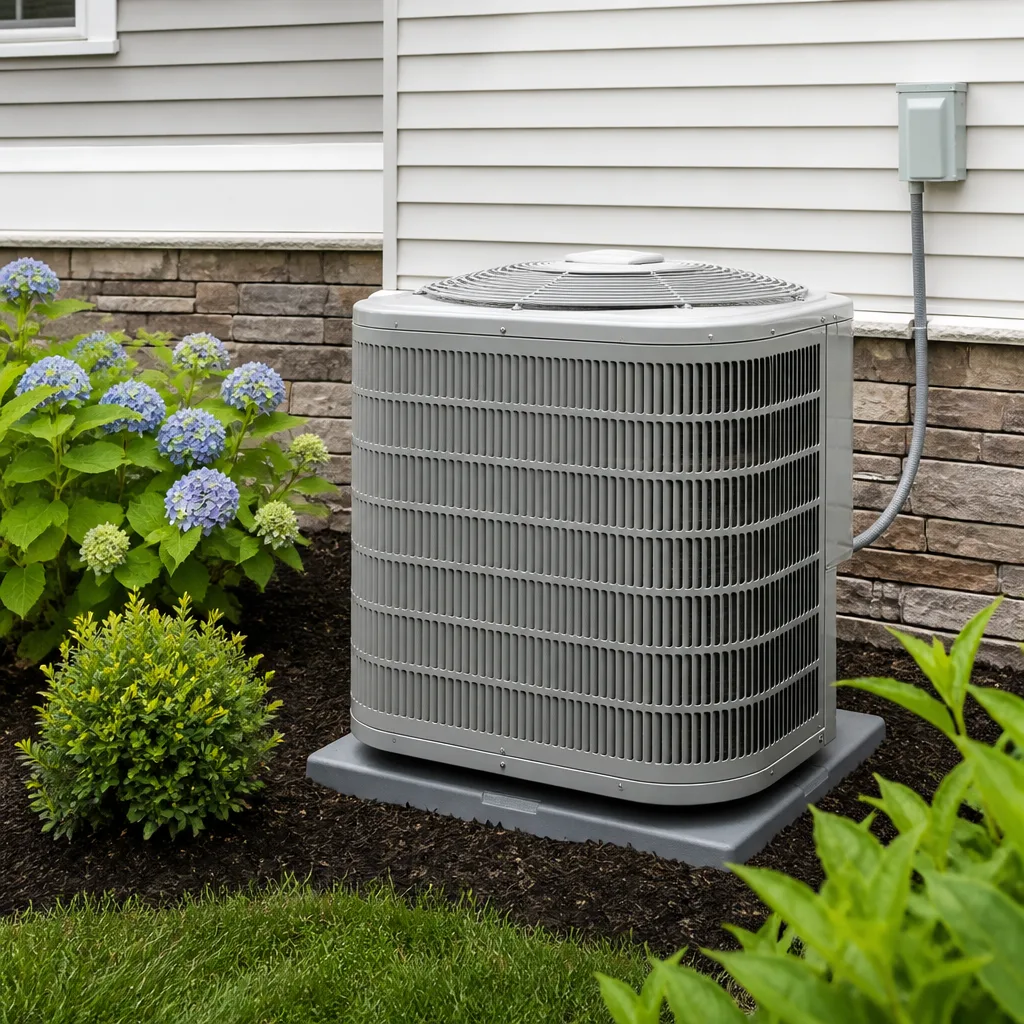 Carrier
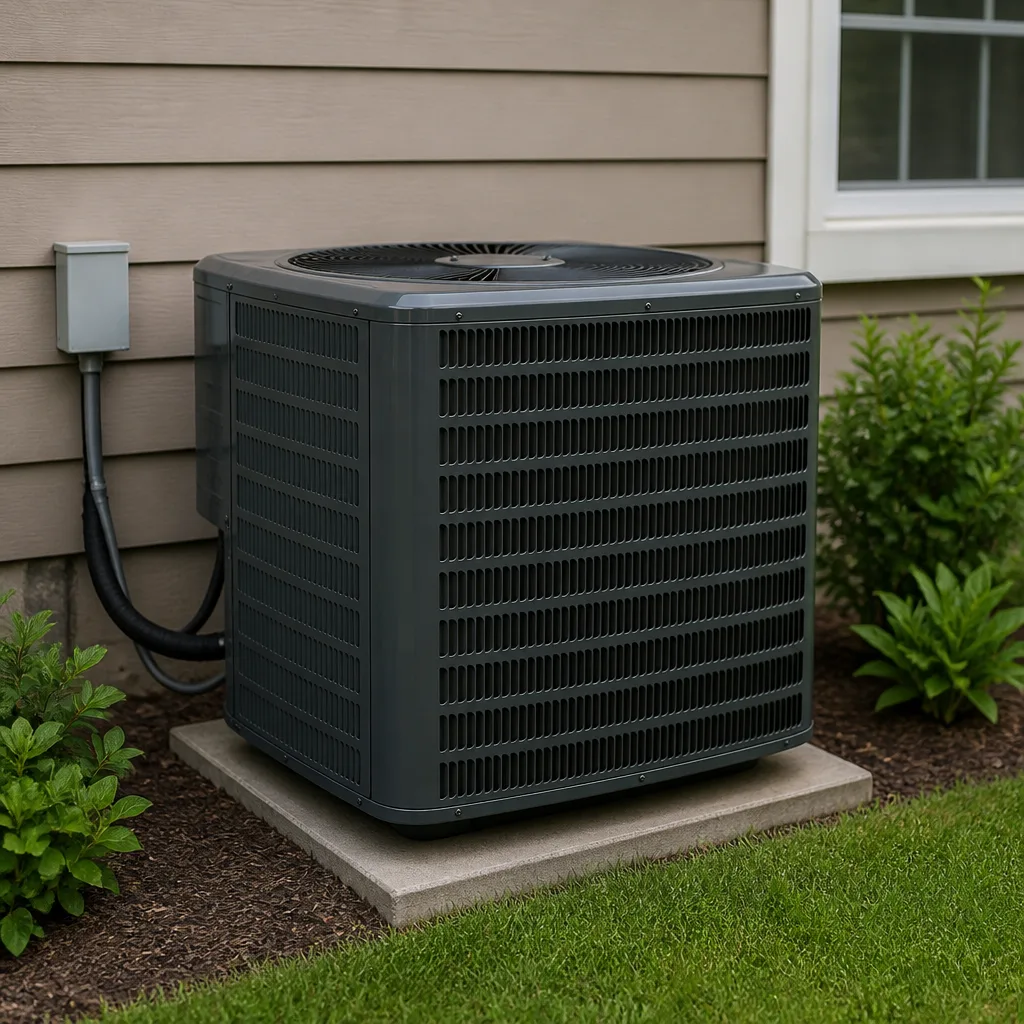 Goodman
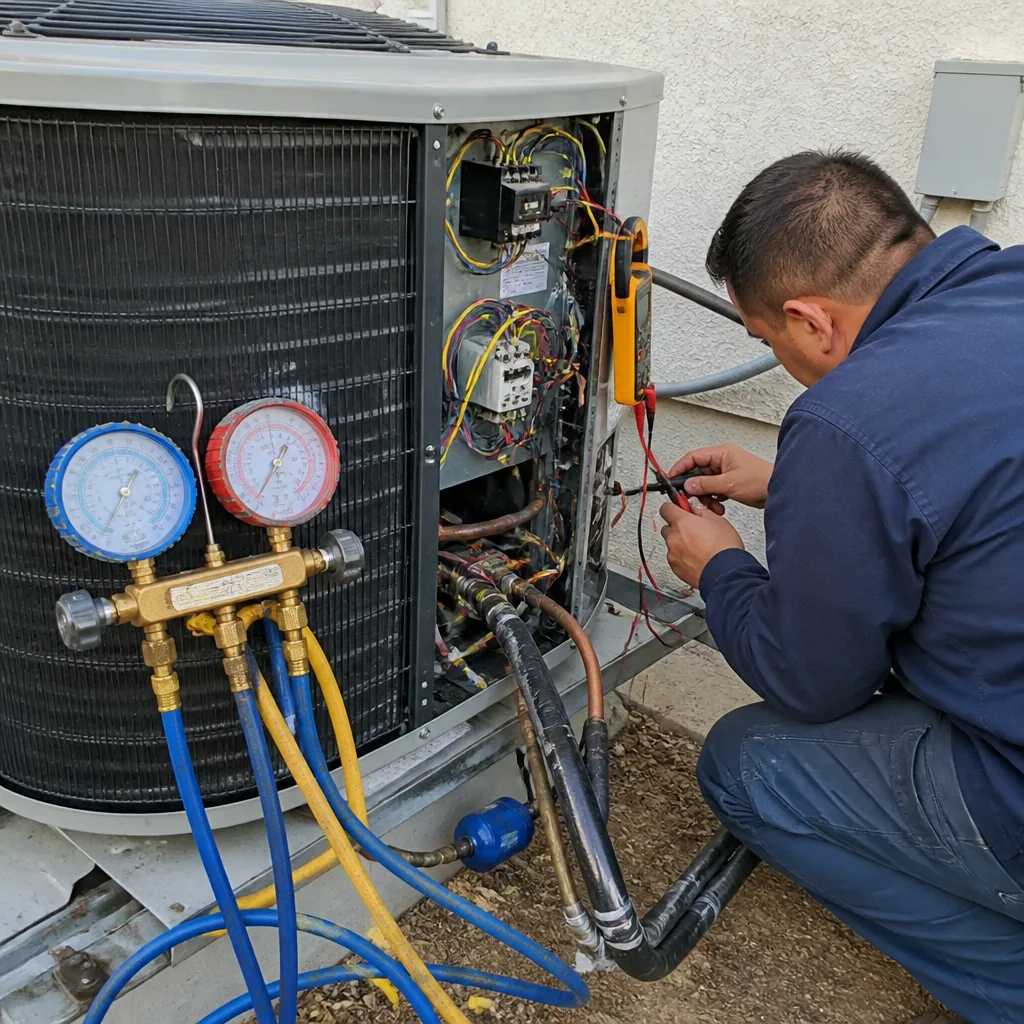
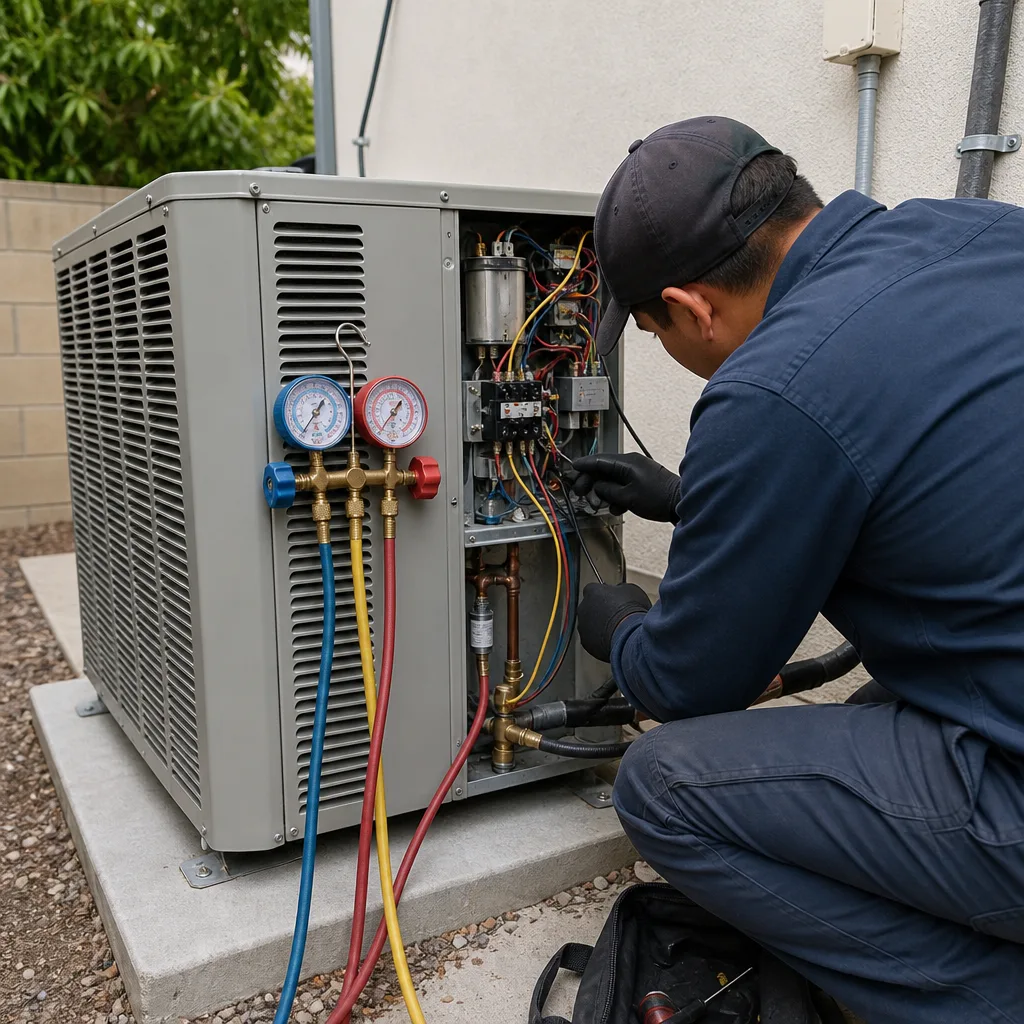
Seasonal tune-up and full diagnostic on your Carrier, Trane, or Goodman system - readings shown to you before any repair is proposed
Diagnosis first, numbers second - you approve the repair price before a single part goes in.
Get your free estimateHVAC Warning Signs: A Torrance Homeowner’s Reference Guide
Here’s a number that surprises most Torrance homeowners: roughly half of all “emergency” AC failures we respond to in the South Bay started with a warning sign that was ignored for three weeks or longer. A click that lingered. A hiss that came and went. A bill that crept up $40 in a single month. Most HVAC warning sign lists fail you because they treat every symptom like a five-alarm fire, so you either panic at a normal blower sound or shrug off the one noise that meant a $1,100 compressor was dying. This guide fixes that. You’ll get a symptom-by-symptom breakdown with severity ratings, what each sign actually means, what it costs to fix in Torrance, and exactly what to do next – whether that’s keeping an eye on it or picking up the phone tonight.
Styles & brands we work with
Quick Answer
The HVAC warning signs that matter most for Torrance homeowners are short-cycling (the system turning on and off every few minutes), a hissing or bubbling sound near the indoor coil, a sweet or chemical smell from the vents, white oxidation streaks on the outdoor condenser, and any electrical smell or warm air from the unit. If you hear clicking that continues for 30 seconds after startup, see ice on refrigerant lines, or smell rotten eggs near the outdoor unit, shut the system off and call a professional today. Most early-stage issues cost $150 to $500 to fix; most ignored issues cost $1,500 to $3,000 or more.
Table of Contents
- The Symptom-by-Symptom Table: Sound, Severity, Cause, Cost
- The Torrance Coastal Warning Sign Inland Guides Never Mention
- Why Short-Cycling Is More Urgent in Torrance Than You’d Think
- How to Tell a Refrigerant Leak from a Gas Leak (and Which One Means Leave the House)
- Before-and-After Photo Documentation: What to Capture Before the Tech Arrives
- How to Use the Severity Ratings in This Guide
- Common Mistakes to Avoid
- When to Call a Professional
- Frequently Asked Questions
- The Bottom Line
The Symptom-by-Symptom Table: Sound, Severity, Cause, Cost
The single most useful thing a Torrance homeowner can do-beyond following our AC Repair Maintenance Checklist for Torrance Homeowners-is learn to categorize what they’re hearing, smelling, or seeing. Not every symptom deserves a service call, and not every quiet moment means everything is fine. Here’s the table we wish every homeowner had taped to the side of their furnace. We’ve organized it by what you actually notice first, then rated it by how quickly you need to act.
Sounds You Hear
| Symptom | Severity | Most Likely Cause | Typical Repair Cost in Torrance |
|---|---|---|---|
| Click at startup, stops within 3 seconds | Watch | Normal relay or contactor engaging. Totally expected. | $0 |
| Clicking that continues for 30+ seconds after startup | Call today | Failing relay or contactor. This will strand you, usually within two weeks. | $120 – $280 |
| Loud bang or clang when system starts | Schedule soon | Loose fan blade, debris in blower housing, or worn motor mount. | $150 – $400 |
| Hissing or bubbling from indoor unit | Call today | Refrigerant leak at the evaporator coil. Losing charge means losing cooling. | $300 – $900 depending on leak location |
| Rattling that gets louder over weeks | Schedule soon | Loose panel, failing capacitor, or degraded compressor mounts. | $89 – $350 |
| Humming from outdoor unit but fan not spinning | Call today | Failed capacitor or seized fan motor. Compressor may overheat and trip. | $180 – $450 |
| Squealing or screeching | Call today | Blower motor bearing failure. Will go from loud to dead fast. | $250 – $600 |
Smells You Notice
| Symptom | Severity | Most Likely Cause | Typical Repair Cost in Torrance |
|---|---|---|---|
| Dusty or musty smell at first startup of season | Watch | Dust burning off heat exchanger or coil. Normal, fades in hours. | $0 |
| Sweet or chemical smell (like acetone or nail polish remover) | Call today | Refrigerant leak. Not a gas emergency, but you’re losing cooling capacity fast. | $300 – $900 |
| Rotten eggs or sulfur smell near outdoor unit | Leave house and call gas company first | Natural gas leak. This is not an HVAC-repair situation yet; it’s a safety situation now. | Gas company check is free; HVAC repair after depends on source |
| Electrical or burning plastic smell | Call today, shut system off | Overheating capacitor, wiring insulation melting, or motor windings failing. | $180 – $600 |
Behaviors You Observe
| Symptom | Severity | Most Likely Cause | Typical Repair Cost in Torrance |
|---|---|---|---|
| AC turning on and off every 5 – 10 minutes | Call today | Oversized unit, refrigerant leak, or failing thermostat. See the short-cycling section below. | $150 – $500 to diagnose and fix common causes |
| System runs constantly but house not reaching temp | Schedule soon | Low refrigerant, dirty coil, or undersized unit. | $150 – $900 |
| Outdoor unit covered in ice on a warm Torrance day | Call today, shut system off | Low refrigerant or airflow problem. Running it frozen destroys the compressor. | $200 – $900 if caught early; $1,500+ if compressor dies |
| White oxidation streaks on condenser cabinet | Schedule soon | Coastal salt air corrosion. See dedicated section below. | $0 – $150 for cleaning and protective treatment; more if corrosion has reached coils |
| Water pooling around indoor unit | Call today | Clogged condensate drain line or failed condensate pump. | $120 – $350 |
| One room always 5+ degrees warmer than others | Schedule soon | Duct leak, damper problem, or poor return air. | $150 – $600 |
Here’s what we want you to notice: the difference between “watch” and “call today” usually comes down to duration. A click at startup that stops quickly is fine. A click that keeps going is a relay telling you it’s done. A hiss that lasts two seconds when the system shuts off is pressure equalizing. A hiss that bubbles while running is your refrigerant escaping. Time how long the symptom lasts. That’s the data that separates a normal operating sound from a real problem.
If you’re checking these symptoms on a furnace rather than an AC, most of the same logic applies. A furnace repair in Torrance follows the same pattern: clicking that continues, burning smells that linger, and short-cycling are your top three indicators that something needs attention before the next cold snap.
The Torrance Coastal Warning Sign Inland Guides Never Mention
Here’s the one warning sign that a guide written in Phoenix or Riverside will never tell you about-though we cover it in our Seasonal HVAC Care for Torrance: Year-Round Homeowner’s Guide-and it’s one we see weekly in the neighborhoods closest to the coast: white oxidation streaks down the side of your outdoor condenser cabinet. Torrance sits close enough to the Pacific that marine layer moisture and salt air work on the aluminum fins and copper coils of outdoor AC units year-round. In a city like Rancho Cucamonga, a 10-year-old condenser looks weathered but functional. In South Torrance or Hollywood Riviera, a 10-year-old condenser near the water can look like it’s been in a salt bath.
Why does this matter? Oxidation starts as a cosmetic issue, but it accelerates corrosion in three specific ways:
- Fin degradation: The thin aluminum fins that release heat from the coil corrode and crumble. Less fin surface means less heat transfer, which means the compressor runs hotter and longer. That’s a shorter life for the most expensive component in the system.
- Coil pinholes: Salt air corrodes the copper tubing inside the coil. Tiny pinholes develop, refrigerant leaks out slowly, and efficiency drops month by month before the system finally stops cooling.
- Electrical contact corrosion: The capacitor, contactor, and wire connections inside the outdoor cabinet are exposed to the same salt-laden air. Corroded contacts create resistance, resistance creates heat, and heat kills electrical components.
The practical takeaway: if you see white, chalky streaks on your outdoor unit, don’t panic, but don’t ignore them either. The right next step is a visual inspection. A technician can clean the cabinet, apply a protective coating to the coil, and check for early-stage pinholes before they become a full refrigerant leak. In our experience, a homeowner who catches oxidation early typically spends $150 to $300 on cleaning and protection. A homeowner who lets it go until the coil fails is looking at $1,800 to $3,500 for a coil replacement or full system replacement depending on the age of the unit.
This is also the moment to mention that AC repair in Torrance isn’t just about fixing what’s broken today. It’s about catching the coastal-specific problems that will break things a year from now. If you live within two miles of the water, a yearly visual inspection of the outdoor cabinet is the single highest-value maintenance habit you can form.
Why Short-Cycling Is More Urgent in Torrance Than You’d Think
Short-cycling is the term for an AC that turns on, runs for only a few minutes, shuts off, and then starts again a few minutes later. It’s a warning sign anywhere, but in Torrance it deserves more immediate attention than it would in, say, Bakersfield. Here’s the counterintuitive logic: in a hotter city, a short-cycling AC is often a mismatched oversized unit, which is inefficient but not imminently dangerous to the equipment. In Torrance, the same symptom more often points to a problem that’s going to kill your compressor.
Why? Because Torrance’s mild climate means most homes are running smaller cooling loads more gently. A properly sized system in the South Bay should run longer but less frequently. When a system near the coast short-cycles, the most common causes are:
- Low refrigerant charge: A small leak has reduced the amount of coolant in the system. The pressure sensor trips the compressor off early to protect it, then the thermostat calls for cooling again, and the cycle repeats. This is not a mild climate problem; it’s a leak that gets worse every week.
- Failing thermostat or sensor: As heat anticipators age, they send wrong temperature readings that cut cycles short. This is a $150 – $250 fix if caught early, but those constant on-off cycles are wearing out the compressor every day it goes unfixed.
- Clogged or dirty evaporator coil: Restricted airflow freezes the coil, the system shuts down early, and the coil thaws just enough to restart. In a mild, humid coastal climate like Torrance, this freeze-thaw cycle is especially hard on components because it happens more often than in a dry inland city.
Run the numbers: a normal AC cycle should last 10 to 15 minutes. A short-cycling system runs 3 to 5 minutes and restarts 6 to 10 times per hour. That’s double to triple the compressor starts per day, and every start is the hardest moment for a compressor motor. If it’s a refrigerant leak causing it, you’re also losing cooling capacity every day. The longer this runs, the closer you get to the one word every homeowner dreads: compressor replacement, which runs $1,800 to $3,200 in Torrance depending on brand and system size.
Our guidance: if your AC is cycling on and off more often than every 10 minutes, and it’s doing it on a typical Torrance day when it’s 78 degrees outside, schedule a diagnostic visit. Don’t wait for the first 90-degree stretch to see if it’s a problem. By then, the leak is bigger and the damage is done. We service units from Lennox, Goodman, Rheem, and York, and short-cycling looks the same on all of them: a system working harder than it should, dying sooner than it would.
How to Tell a Refrigerant Leak from a Gas Leak (and Which One Means Leave the House)
Two different leaks produce smells that homeowners sometimes confuse, and the response to each is completely different. Here’s the plain-English version, because getting this wrong can be dangerous.
Refrigerant Leak
The smell: Sweet, chemical, slightly musty. Some people compare it to nail polish remover, some to a dry cleaning shop, some to chloroform. It’s not foul; it’s antiseptic.
What’s happening: The refrigerant (often R-410A in newer systems, sometimes R-22 in older ones) is escaping from a pinhole, a failed braze joint, or a corroded coil. This is the coolant your system needs to produce cold air.
Danger level: Moderate. Refrigerant is not flammable, but it displaces oxygen in enclosed spaces. You won’t need to evacuate, but you should ventilate the area and call for repair. Left untreated, the system loses cooling capacity until it stops cooling entirely.
Next step: Turn the AC off, open a window in the room near the indoor unit, and call a professional. The fix is usually a leak search, repair, and recharge, which costs $300 to $900 in Torrance depending on the leak’s location and accessibility.
Natural Gas Leak
The smell: Rotten eggs, sulfur, skunk. The odor is artificially added to natural gas specifically so you can smell it before it reaches a dangerous concentration.
What’s happening: Gas is escaping from a fitting, a cracked flex line, or a failing valve somewhere in or near your furnace.
Danger level: High. Natural gas is explosive in the right concentration. This is the one warning sign where you do not stay in the house diagnosing things.
Next step, in order:
- Don’t flip any switches, don’t unplug anything, don’t use a lighter or match, don’t use a phone inside the house.
- Evacuate everyone from the house, including pets.
- Call the gas company’s emergency line from outside or from a neighbor’s house.
- After the gas company has checked and cleared the property, call an HVAC professional to fix the source of the leak. Furnace gas leaks in Torrance typically run $200 to $600 to repair depending on the fitting or component involved.
The easiest way to remember the difference: sweet means refrigerant, rotten eggs means gas. If you’re ever unsure, treat it as a gas leak and follow the evacuation steps. Being wrong about a refrigerant leak costs you a service call. Being wrong about a gas leak can cost you a house.
Before-and-After Photo Documentation: What to Capture Before the Tech Arrives
Here’s a step most homeowners skip that costs them real money and time: document the warning sign with your phone before the tech arrives. We’re not talking about Instagram-level staging. We’re talking about photos and short videos that capture what’s happening in the moment, because symptoms have a frustrating habit of disappearing when a professional shows up.
The compressor that rattled every night at 7 p.m. will be silent when the tech arrives at 11 a.m. The condensate line that overflowed at noon will look dry by evening. The flame that flickered and rolled out will burn clean for the camera. This is the single most common frustration in residential HVAC: the “it was doing it before you got here” problem. Photos solve it.
Here’s what to capture, in order:
- Wide shot of the unit: One photo showing the entire outdoor condenser or indoor air handler in context. This helps a tech see the unit’s orientation, surrounding clearance, and general condition before they ever arrive.
- Close-up of the specific symptom: White oxidation streaks on the cabinet, ice on a refrigerant line, water staining on the ceiling below an air handler, a rusted drip pan, a sooty burn mark near the burner. Get close enough that the detail is obvious.
- Video with sound: For any noise symptom, record 30 seconds. Move the phone slowly around the unit so the tech hears the sound from different angles. A rattle from the top of the unit and a rattle from the compressor base are completely different problems, and your video tells a tech which one to look for.
- Thermostat display photo: Just before the tech arrives, snap a photo of the thermostat with the current set temperature and displayed room temperature. If the system is short-cycling, a photo of the display showing how quickly it starts and stops is useful data.
- Utility bill if you have it: A photo of your most recent month and the same month last year. A $40 or $60 jump with no corresponding weather change is a warning sign in itself, and it helps a tech prioritize diagnosis.
This documentation matters because it speeds up diagnosis. When a tech can see and hear the problem before they ring the doorbell, they arrive already knowing which components to check. In a Torrance service call, that can mean the difference between a $150 diagnostic visit where the problem hides and a $150 diagnostic visit where the tech finds the failing relay in the first 10 minutes because he listened to your video on the drive over. Take the photos. Record the sound. It’s free and it makes every dollar after it go further.
How to Use the Severity Ratings in This Guide
Every symptom in this guide gets one of three ratings. Here’s what each one means for your next action:
Watch
“Watch” means the symptom is either normal operation or a sign that something might be developing but doesn’t need immediate intervention. A clicking sound that stops within three seconds, a dusty smell on first startup of the season, a unit that runs longer on a hotter day. For these, you do exactly what the word says: you keep an eye. Note the symptom, note when it started, and check whether it changes over the next two weeks. If it gets louder, more frequent, or starts affecting the temperature in your home, move to the “Schedule soon” tier.
Schedule Soon
“Schedule soon” means the symptom indicates a real problem that won’t fix itself but isn’t damaging other components right now. A loose fan blade, minor oxidation, a room that’s always a little warmer. You can schedule this for a time that works for you, but don’t wait months. A loose fan blade becomes a failed motor. Minor oxidation becomes a corroded coil. Every “schedule soon” item becomes a “call today” item if left alone long enough, and the price always goes up when that happens.
Call Today
“Call today” means the symptom is actively damaging the system or indicates a repair that’s about to fail completely. Continuing to run the system with this symptom will make the problem more expensive, not less. Short-cycling, refrigerant leaks, electrical smells, ice on the coil, a clicking relay that won’t stop. For these, pick up the phone now. Halden Heating and Air Torrance answers calls around the clock with a live person, not a voicemail tree, and we’ll send a background-checked, uniformed technician with a live arrival time you can track to your door. Call (424) 358-3791 day or night.
Common Mistakes to Avoid
- Turning the thermostat down to “fix” a warm house. If the AC is running and the house isn’t cooling, lowering the set point from 74 to 68 doesn’t make the system work harder; it makes it run longer against a problem it can’t solve. You’re putting more hours on a sick system and burning more electricity while doing it.
- Adding refrigerant without finding the leak. A refrigerant recharge (topping off the coolant) without a leak search is like adding air to a tire with a nail in it. The system cools for a few weeks, then the same symptom returns. Any technician who offers a recharge without talking about leak detection is selling you a temporary fix.
- Ignoring a burning smell in early winter. Yes, some odor on the first furnace start of the season is normal dust burning off. But if the smell persists beyond a few hours, or if you see soot around the furnace, shut it off and call a professional. Cracked heat exchangers produce carbon monoxide, and in Torrance’s tightly sealed homes, that’s a serious health risk.
- Using the AC as a white noise machine. If your outdoor unit makes a sound you have to “get used to,” that sound is winning. Normal operation should be a steady hum, not a rattle, not a screech, not a knock. Your ears are not supposed to drown out your HVAC.
- Postponing repairs because the weather is mild. Torrance’s moderate climate is a blessing, but it means AC problems often get discovered during the first heat wave rather than during three weeks of 100-degree days. By the time a Torrance homeowner notices the system can’t keep up, the problem has often been developing for months behind the scenes.
- Skipping the pre-season check. Many homeowners only call an HVAC company when something breaks. A simple $100 – $150 tune-up catches failing capacitors, low refrigerant, and corroded contacts before they become $800 emergency repairs. In a coastal climate like Torrance, yearly maintenance isn’t optional; it’s economical.
When to Call a Professional
You should call a professional the moment you notice any “Call today” symptom in this guide: short-cycling, a refrigerant leak smell, ice on refrigerant lines, an electrical smell, or clicking that doesn’t stop. You should also call if you’re not sure whether a sound is normal, because the cost of a diagnostic visit is always less than the cost of a dead compressor. A professional can verify the system’s refrigerant charge, check the condition of the coil and cabinet, and give you a written price before any work begins.
Halden Heating and Air Torrance has been helping homeowners in the South Bay since 2004. Every repair comes with a written guarantee. If it fails, we come back to fix it at no charge. That’s not a promotional angle; it’s how the company has always operated. Call (424) 358-3791 for a free estimate, and a real person will answer.
Frequently Asked Questions
The most common warning sign we see in Torrance is short-cycling, often caused by a slow refrigerant leak or a failing capacitor. It’s easy to ignore because the house still cools somewhat, but it’s actively shortening your compressor’s life. Call (424) 358-3791 if your system is running in 5-minute bursts.
A diagnostic visit in Torrance typically runs $89 to $150, depending on the company and the complexity of the issue. Some companies apply the diagnostic fee toward the repair if you proceed. Halden Heating and Air Torrance gives you a written price before any work begins, so you’ll never be surprised at the door.
If the clicking stops within three seconds of startup, yes, you can keep running it. If the clicking continues for 30 seconds or more, you should shut the system off and call a professional. A continuously clicking relay or contactor is about to fail, and when it does, you’ll lose cooling entirely.
White streaks on the outdoor condenser cabinet are oxidation caused by Torrance’s coastal air, which carries salt and moisture year-round. This corrosion accelerates fin degradation and can eventually cause refrigerant leaks. A cleaning and protective coating early on costs a few hundred dollars; ignoring it can mean a $2,000+ coil replacement.
If you smell rotten eggs or sulfur, evacuate the house immediately, leave the doors open if you can do so safely, and call the gas company from outside. Do not flip any switches or use any electronics inside. After the gas company clears the property, call an HVAC professional to repair the leak source.
It depends on the specific problem and the system’s overall condition. A $200 capacitor replacement on an otherwise healthy 15-year-old system is often worth doing. A $2,800 coil replacement on a 15-year-old unit is usually better spent toward a new system. A professional can help you compare the repair cost against the remaining life of the unit. For a repair-vs-replace conversation specific to your home, call (424) 358-3791.
The Bottom Line
Most HVAC catastrophes in Torrance don’t happen suddenly. They happen slowly, over weeks, while a homeowner gets used to a new sound or ignores a fading cooling performance. The fix is simple: learn the severity levels, know which smells mean leave and which mean call, and document what you see before the tech arrives. A $150 capacitor caught early beats a $2,000 compressor replacement caught late. Every single time. For more guides & resources, a free estimate, and a written price before any work begins, call Halden Heating and Air Torrance at (424) 358-3791. A live person answers, day or night.
Written by Andre Fuller, Owner at Halden Heating and Air Torrance, serving Torrance since 2004.
See the difference
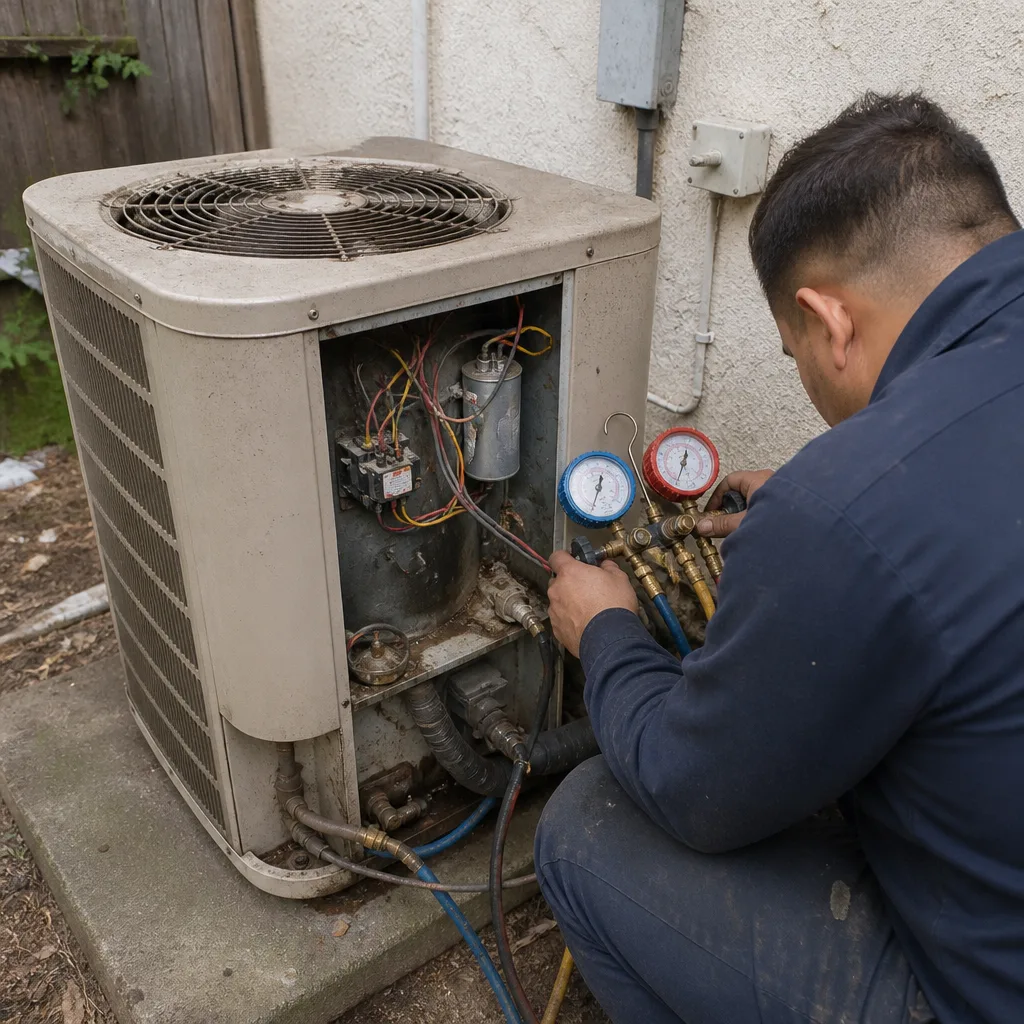 Before
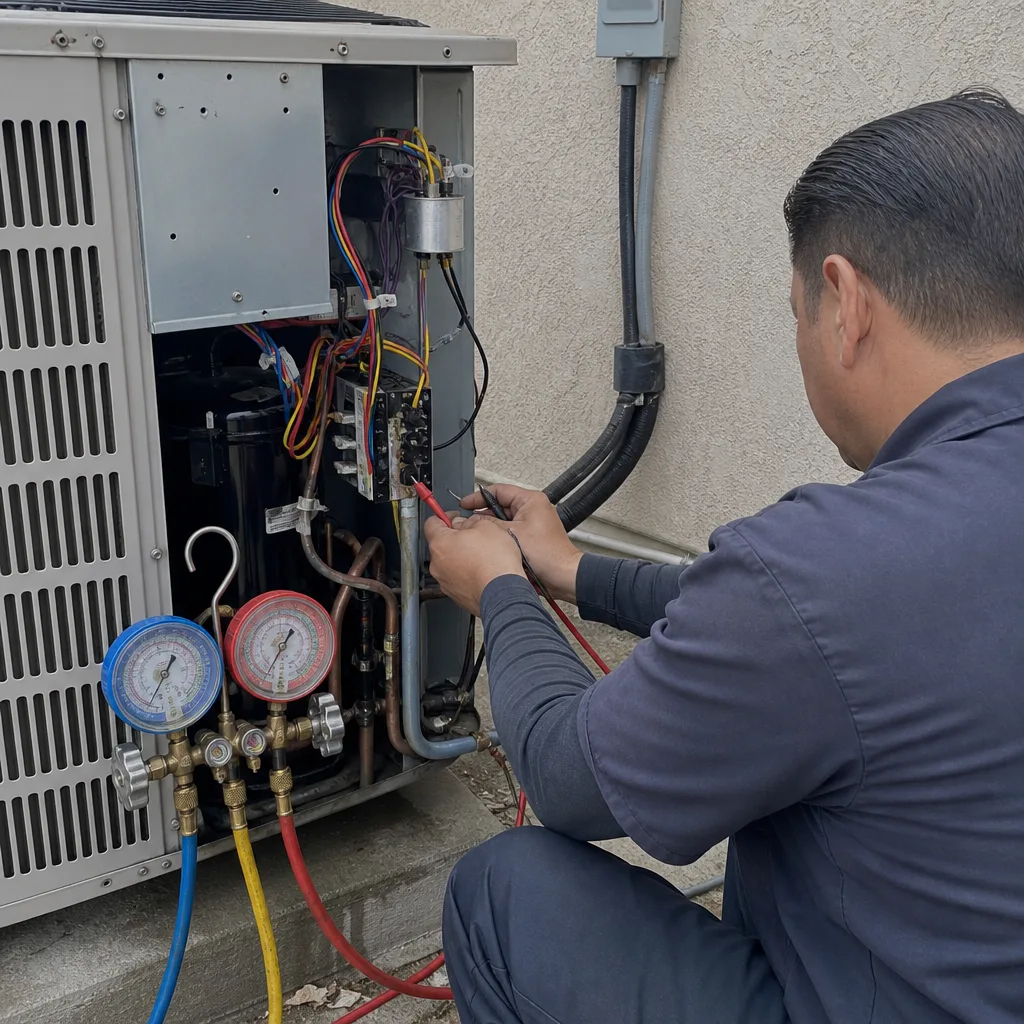 After
After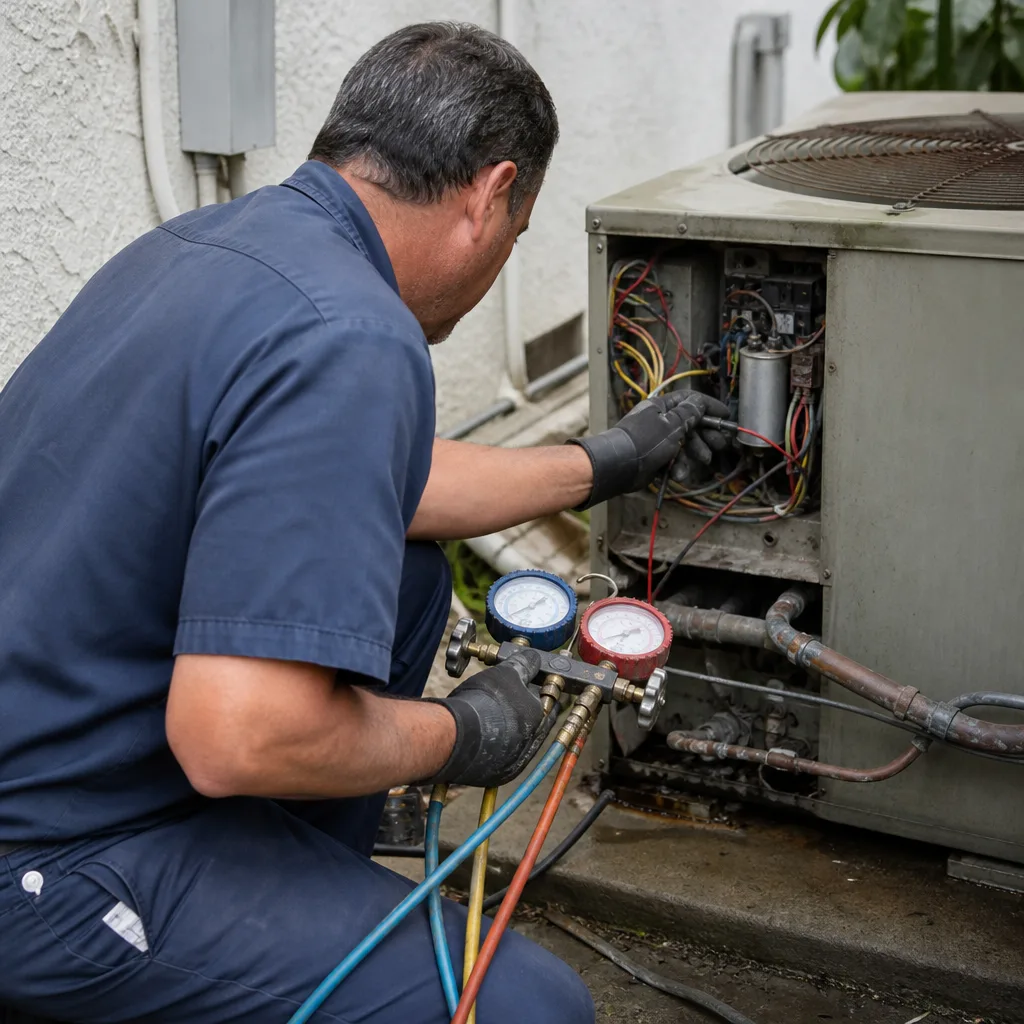 Before
 After
After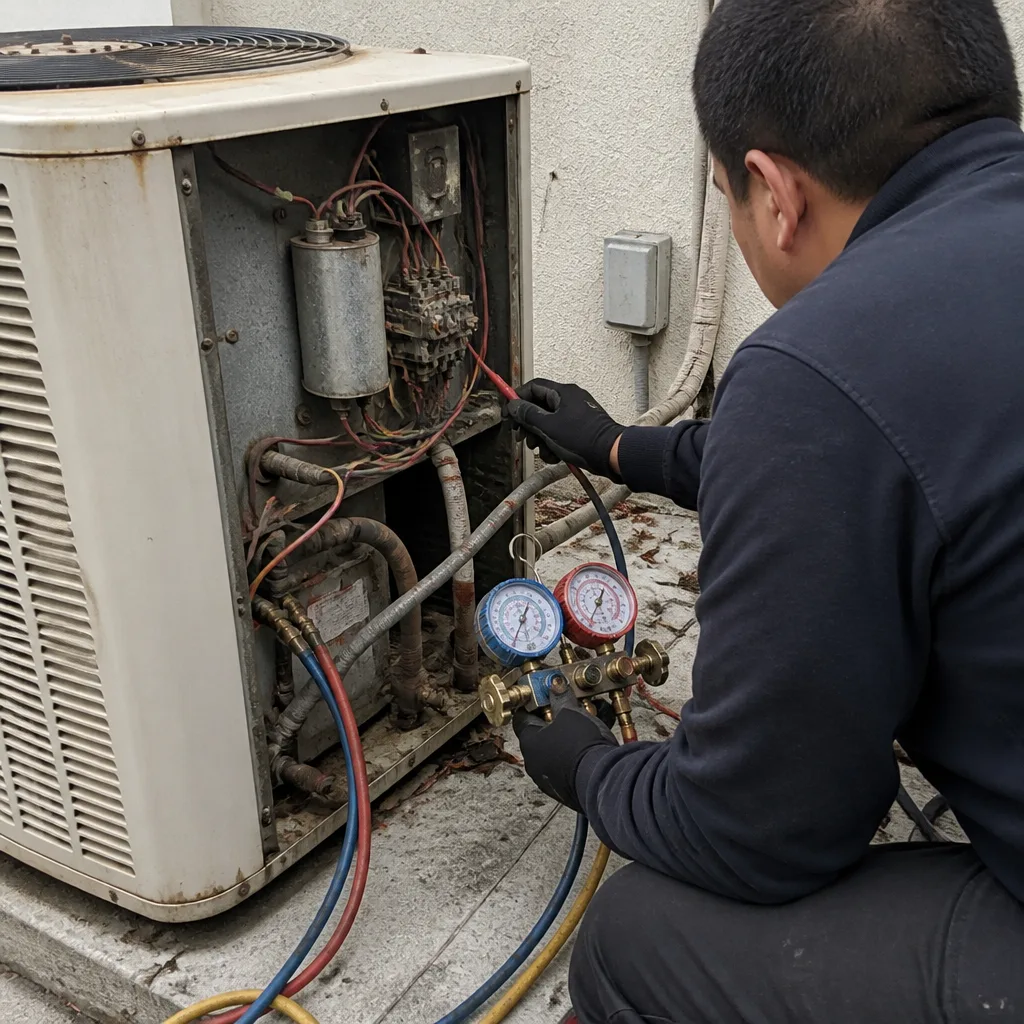 Before
 After
After