
Last updated October 16, 2026
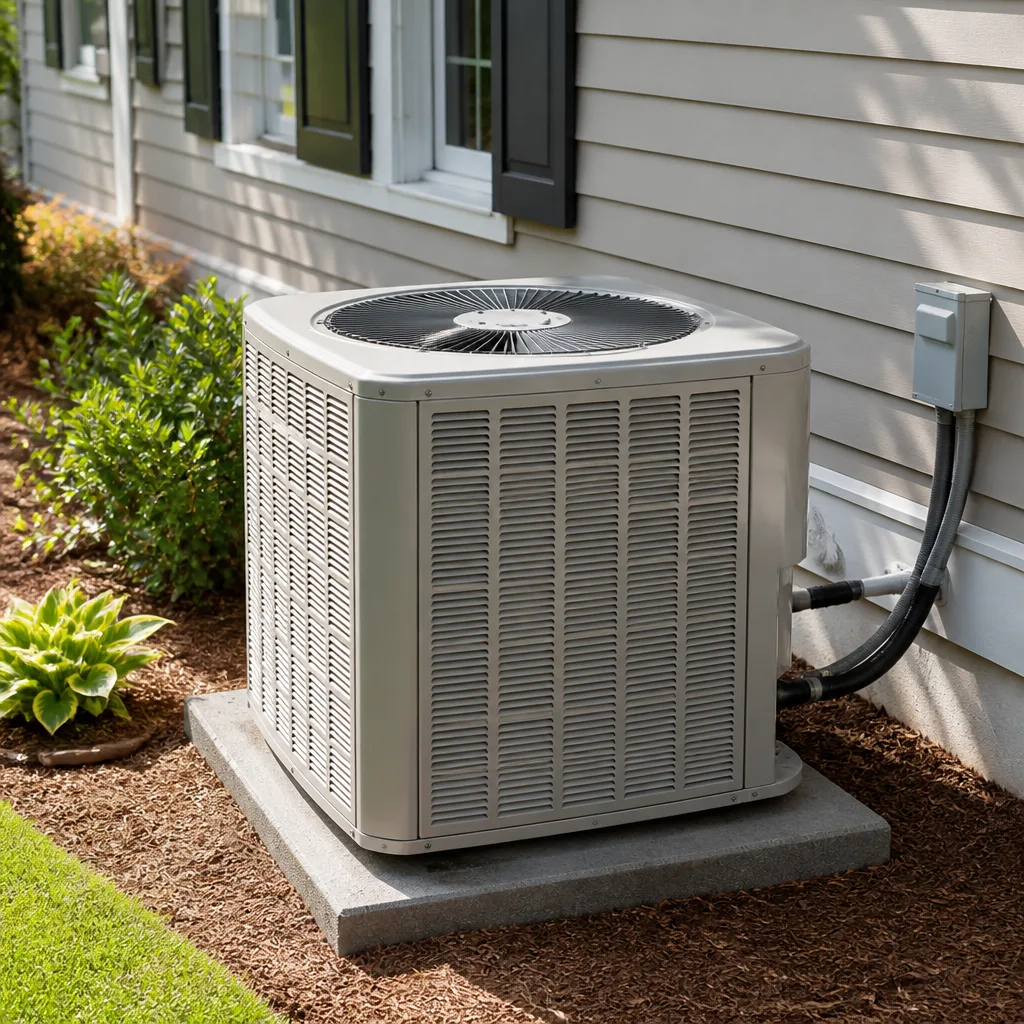 AC repair
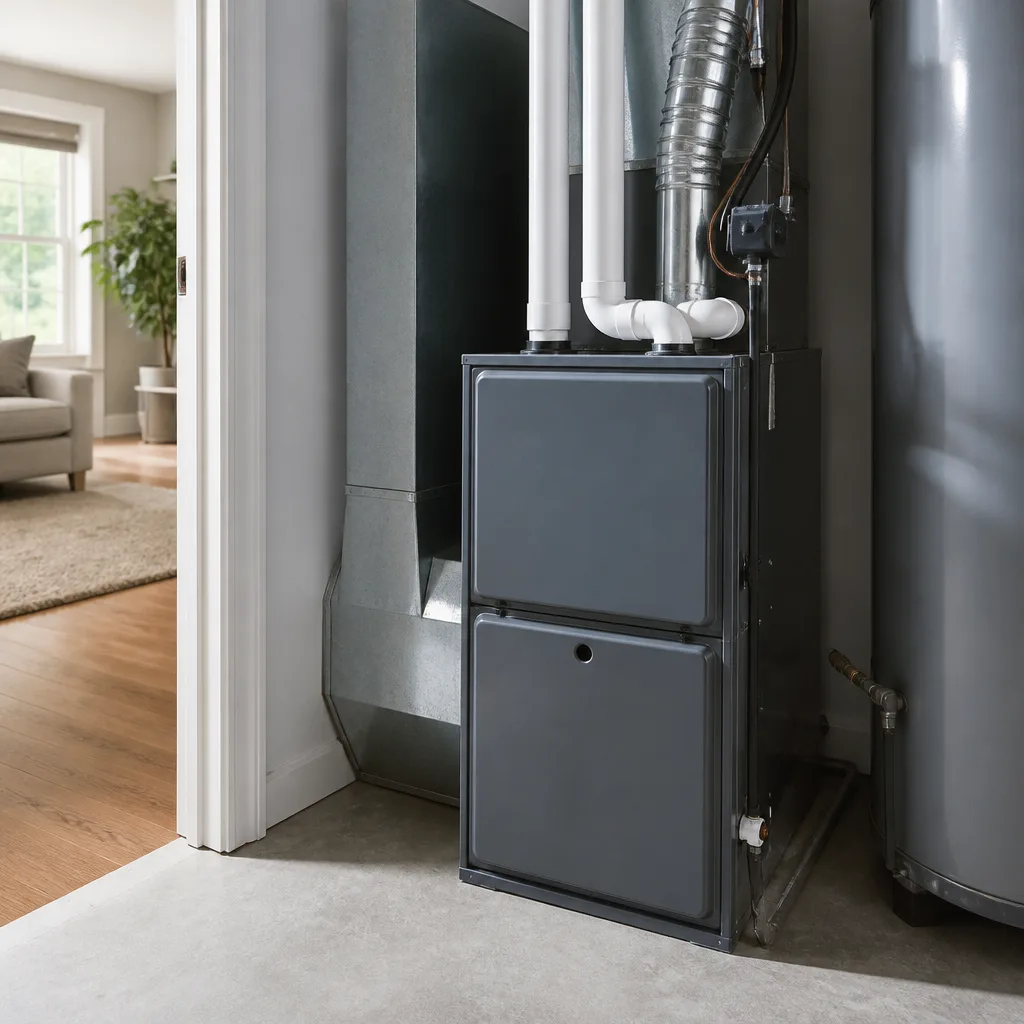 Furnace & heating
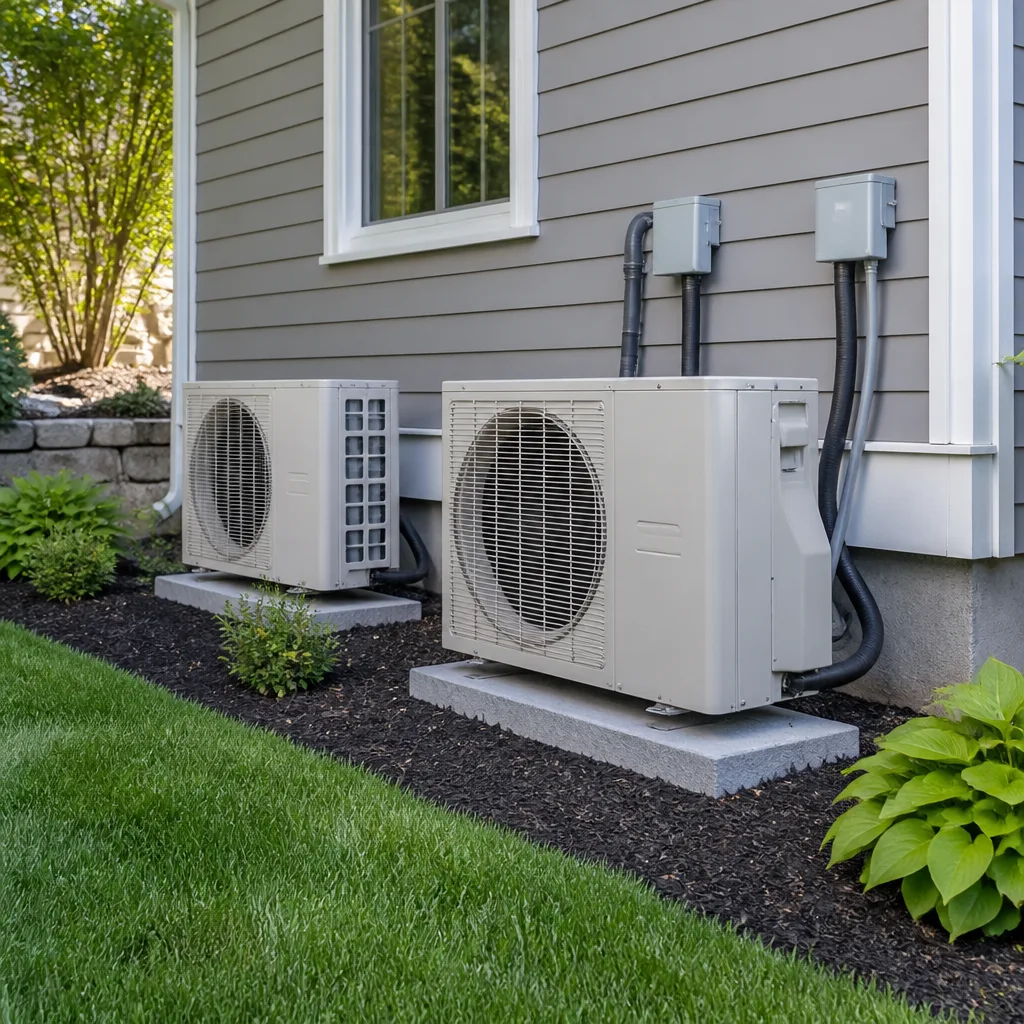 Heat pumps
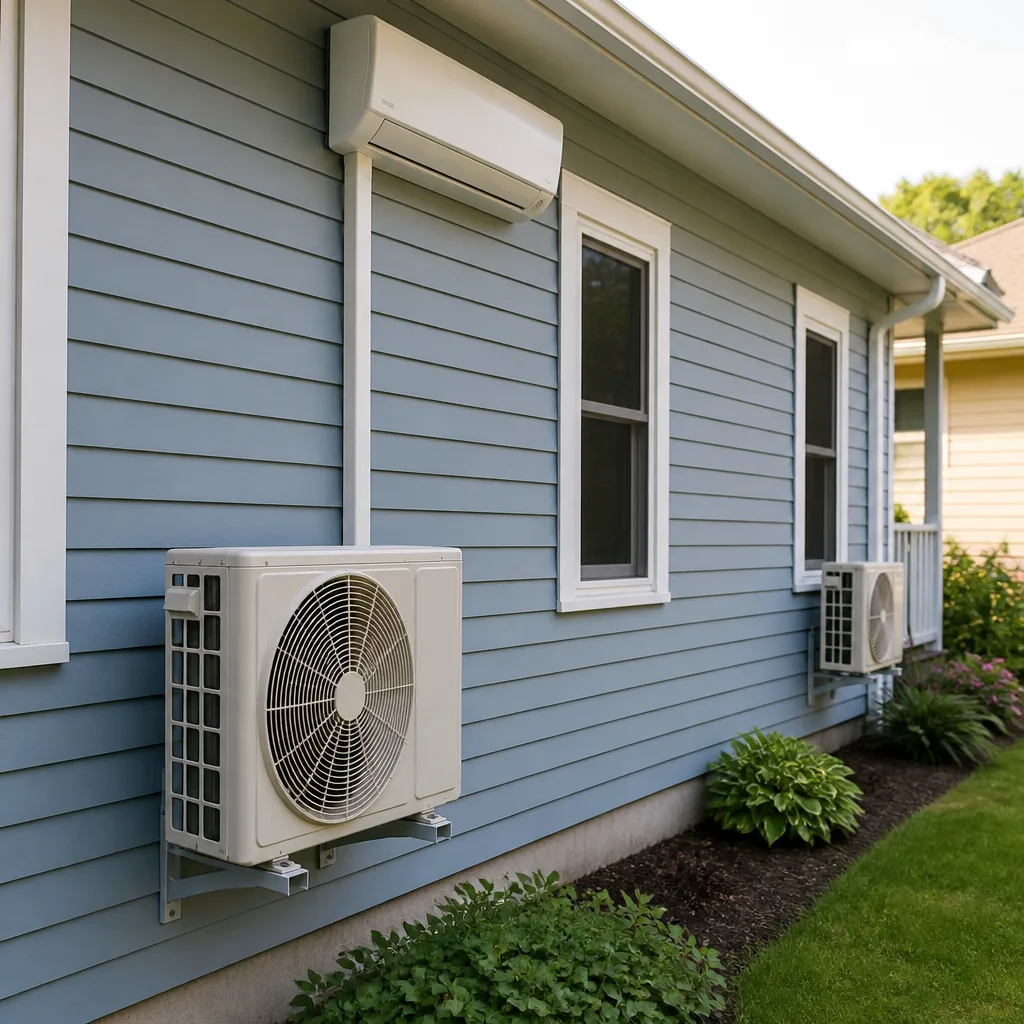 Ductless mini splits
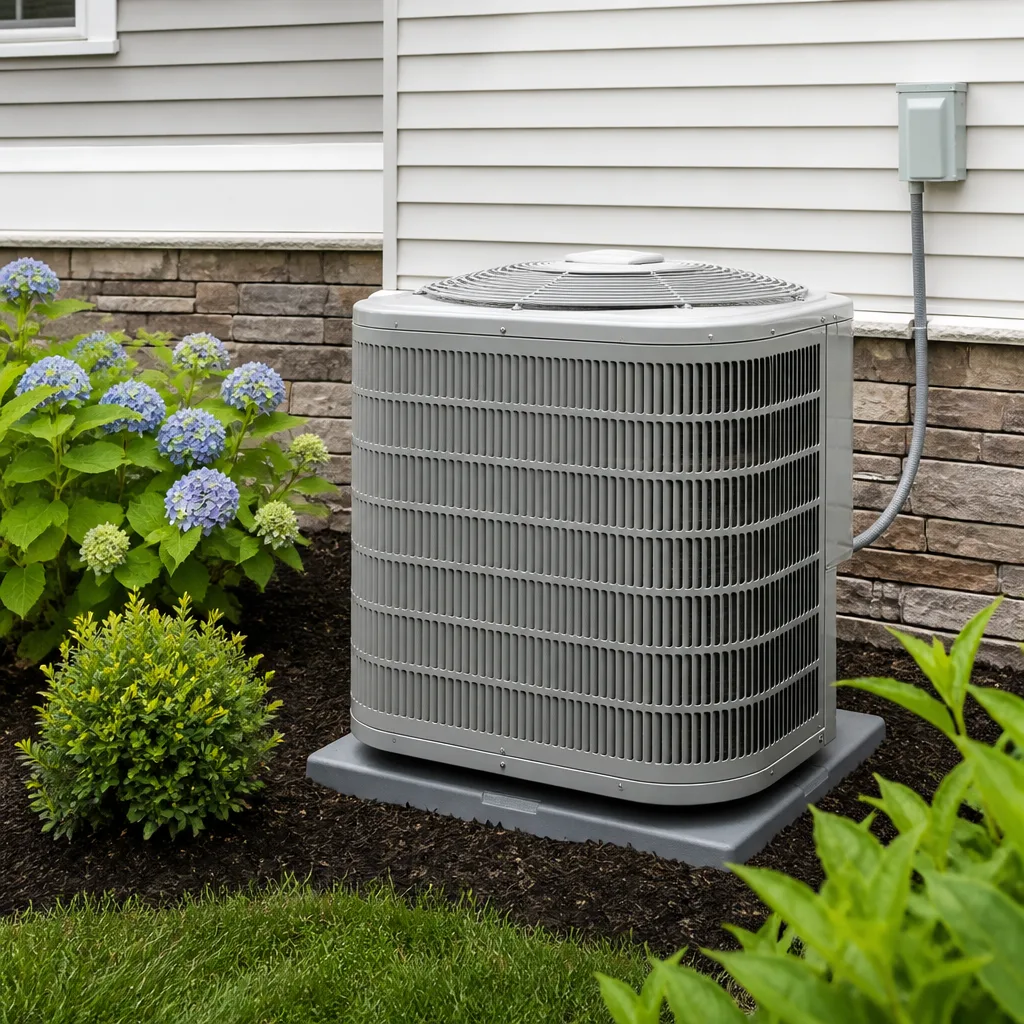 Carrier
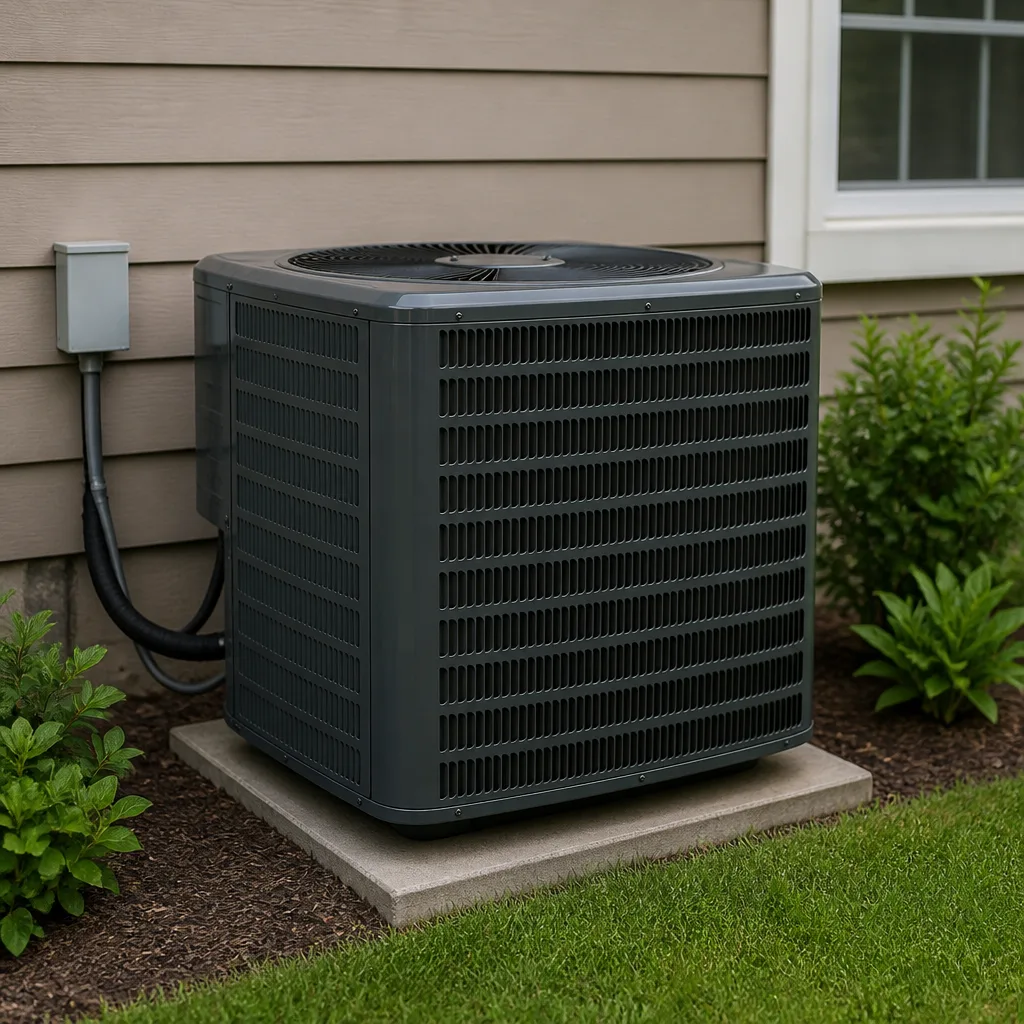 Goodman
Seasonal tune-up and full diagnostic on your Carrier, Trane, or Goodman system - readings shown to you before any repair is proposed
Diagnosis first, numbers second - you approve the repair price before a single part goes in.
Get your free estimateHVAC Permits, Codes & Inspections in CA: What You Need to Know
In California, skipping an HVAC permit doesn’t just risk a fine. It can legally invalidate your homeowner’s insurance claim and force you to rip out a brand-new system at your own expense when you sell the house. We’ve watched this happen in Torrance more than once, and the cost to fix it always lands somewhere between infuriating and financially brutal. This guide walks you through exactly which jobs need a permit, how Title 24 energy rules actually play out on installation day, what Torrance inspectors look for, and what unpermitted work means when you go to sell. No code citations. No runaround. Just the process in plain steps.
Styles & brands we work with
Quick Answer
Most HVAC work that replaces equipment, moves ductwork, or changes electrical or gas connections requires a permit from the Torrance Building & Safety Department. A full system replacement always requires one. Swapping a filter or a thermostat battery never does. Refrigerant recharges sit in a conditional gray zone. The permit cost typically runs between $150 and $450 depending on project scope, and the inspection process in Torrance usually wraps inside 1 to 2 weeks.
Table of Contents
- Which HVAC Jobs in Torrance Require a Permit
- California Title 24: What It Actually Means for Your Equipment
- The Torrance Permit Process, Step by Step
- Rough-In vs. Final Inspection: What Happens and When Work Pauses
- How to Check Inspection Status Online Without Calling Anyone
- Unpermitted HVAC Work and Home Sales: The Disclosure Reality
- What Permits Cost in Torrance: Real Numbers
- Common Mistakes to Avoid
- When to Call a Professional
- Frequently Asked Questions
- The Bottom Line
Which HVAC Jobs in Torrance Require a Permit
Let’s settle this with no ambiguity, because ambiguity is where expensive mistakes live. The Torrance Building & Safety Department follows the California Mechanical Code, and the triggering question is simple: does the work change the system, or does it maintain it?
Jobs that require a permit in Torrance:
- Full system replacement (furnace, AC condenser, heat pump, or air handler swap). Always. No exceptions.
- New ductwork installation or relocating existing ducts more than a few feet. Duct design affects airflow, condensation, and fire safety.
- Electrical panel work tied to the HVAC system, including new circuits or breaker changes for an upgraded unit.
- Gas line modifications for a furnace or boiler. Moving or extending a gas line is a safety-critical change.
- New exhaust or venting runs. This includes relocating a flue or changing combustion air intake.
Jobs that do not require a permit:
- Filter replacement. You’ll do this every 1 to 3 months anyway.
- Thermostat battery swap or basic thermostat replacement using existing wiring.
- Blower motor capacitor replacement where the electrical characteristics don’t change. If the replacement part has identical voltage, amperage, and wiring configuration, most inspectors treat it as a repair, not an alteration.
- Condensate drain cleaning and coil cleaning.
Conditional jobs where the answer depends on specifics:
- Refrigerant recharge (topping off the coolant your system needs to produce cold air). If a technician simply adds refrigerant to an existing, otherwise unmodified system, no permit is needed. If the recharge requires opening the sealed system to replace a valve, coil, or line set, that’s a repair that may trigger permit review, especially if the system is older than 2010 and uses R-22 refrigerant. In Torrance, a technician recovering and recharging refrigerant must hold an EPA Section 608 certification. The city cares less about the chemical than about what you touched to get to it.
- Condenser replacement only (outdoor unit swap without touching the indoor coil or furnace). If the new condenser’s SEER rating matches or exceeds the old one and the electrical load doesn’t change, some contractors will file an “express permit” rather than a full plan review. If the indoor coil stays but the outdoor unit efficiency jumps significantly, Title 24 rules may require a matched-system verification. When in doubt, pull the permit.
- Mini-split installation. New mini-split systems almost always require a permit because they involve a new electrical circuit, new refrigerant lines, and sometimes a wall penetration that affects the building envelope.
In our experience in Torrance, the homeowners who get burned are the ones who let a handyman talk them out of a permit on a full replacement. The savings feel good for about a year. Then the system fails, the insurance company asks questions, or the house goes on the market. Every one of those doors leads back to the same place.
California Title 24: What It Actually Means for Your Equipment
Title 24 is California’s building energy code, and it applies to every new HVAC installation in Torrance, no exceptions. The short version: your equipment must meet minimum efficiency ratings, your ductwork can’t leak beyond a set percentage, and your thermostat has to do certain things by default.
Here’s what inspectors actually verify on installation day, translated into plain English:
- SEER2 and EER2 minimums. As of the 2023 code cycle, split-system air conditioners in Southern California must meet a SEER2 rating of at least 14.3 and an EER2 of at least 11.7. Heat pumps have slightly different numbers depending on whether they’re single-packaged or split. If your condenser dies and you replace just that piece, the old indoor coil may not hit the combined rating. An inspector will check the AHRI certificate (the official document that lists a system’s certified efficiency).
- Duct leakage testing. New or substantially modified duct systems must pass a leakage test using a duct blaster, which is a specialized fan that measures how much air escapes. The ceiling is typically 5% of total airflow under test pressure. In Torrance’s older housing stock, especially 1950s and 1960s homes in neighborhoods like Southwood and Seaside, original ductwork routinely leaks 20 to 40%. If you’re adding on to existing ducts, expect to seal or replace sections to pass.
- Refrigerant charge verification. On new installations, contractors must demonstrate the system is charged within manufacturer specs using a digital gauge set. The inspector wants to see the charge, the superheat or subcooling number, and the outdoor temperature at the time of testing. A slick contractor can game this if they want to. An honest one won’t.
- Thermostat requirements. New systems must ship with a thermostat that defaults to temperature setbacks. Smart thermostats like Ecobee or Honeywell T10 satisfy this automatically. A basic digital thermostat needs to have programmable setback functionality.
- Demand response capability. California now requires certain new residential AC units to be demand-response ready, meaning the utility can cycle them down slightly during peak grid events. This is baked into most modern equipment and isn’t something you’ll feel in daily operation.
If you’re installing a Goodman, Rheem, York, or Daikin system in Torrance, the manufacturer already knows these rules. The units sold in the California market are built to meet them. The Title 24 failure we see most often isn’t the equipment. It’s the ductwork and the supporting documentation.
For AC installation in Torrance, make sure whoever does the work hands you a Title 24 compliance certificate at the end. That document is part of the permit record, and it’s what future buyers’ inspectors will ask for.
The Torrance Permit Process, Step by Step
Here’s the process we follow for permits in Torrance, broken down so you know exactly what to expect and when money leaves your account.
- Determine if a permit is required. Use the list above. If you’re unsure, call the Torrance Building & Safety Department at City Hall on Torrance Boulevard. They answer phones in the morning, and the front desk will tell you plainly, at no charge, whether your project needs one. Or ask a contractor you trust. We tell homeowners the truth about this every week.
- Prepare the documents. For full replacements, the city wants a basic site plan, equipment specs (make, model, SEER2 rating, BTU capacity), a Title 24 compliance form, and sometimes a smoke and carbon monoxide detector certification if the work touches living spaces. The contractor typically assembles all of this. If you’re working as an owner-builder, you’ll compile it yourself, and the Torrance permit counter will usually review it within 1 to 3 business days.
- Submit the permit application. In Torrance, you can submit online through the city’s citizen access portal, or in person. Online is faster for simple mechanical permits. Some projects, like anything involving structural changes or multi-system work, require an in-person or over-the-counter review.
- Pay the permit fee. For a typical full system replacement, expect to pay between $250 and $450. We’ll break down the exact line items below. The city takes credit cards online, plus a small processing fee.
- Schedule the inspections. Once the permit is issued, you or your contractor schedule each inspection phase. Torrance generally offers next-day or two-day scheduling. You can request a morning or afternoon window, but the exact time comes the day of.
- Pass the final inspection. The inspector signs off, the permit closes, and the city records the work as permitted. This is the paper trail that protects you later.
If this sounds like administrative friction, it is. But it’s the only legal mechanism that forces a second set of eyes on work that, if done wrong, can cause carbon monoxide poisoning or void your home sale.
Rough-In vs. Final Inspection: What Happens and When Work Pauses
Most HVAC replacements in Torrance require two inspection visits. Understanding what each one covers prevents surprises, like an inspector walking into a half-finished furnace closet and failing you on principle.
The rough-in inspection happens after the equipment is set but before walls, ceilings, or access panels are closed up around it. This is the inspection where the city verifies the parts of the system you’ll never see again:
- Gas line connections and shutoff valve placement
- Electrical wiring, conduit runs, and breaker sizing
- Duct connections, plenum attachment, and sealing quality
- Venting slope and combustion air provisions for gas furnaces
- Condensate drain routing and slope
If a new gas line goes in, the rough-in inspection includes a pressure test. The line is pressurized and the inspector watches the gauge hold. Any drop means a leak, and you don’t get past rough-in until it’s fixed.
The final inspection happens after everything is connected, running, and commissioned. The inspector checks:
- Temperature split across the indoor coil (the difference between supply and return air)
- Refrigerant charge verification paperwork
- Title 24 documentation
- Thermostat functionality
- Carbon monoxide detector presence near sleeping areas, which California requires for homes with gas appliances or attached garages
Work pauses between rough-in and final only if the rough-in fails. When that happens, the contractor corrects the issue and schedules a re-inspection. Most failures in Torrance are simple: missing documentation, a condensate drain that isn’t sloped correctly, or a vent pipe with the wrong clearance from a window. The fix is usually quick, and the reinspection fee runs about $90 to $150 depending on the scope.
If you’re having furnace repair in Torrance that doesn’t involve a full replacement, you typically won’t see a rough-in inspection at all. Repairs follow a different path, and most don’t require a permit in the first place.
How to Check Inspection Status Online Without Calling Anyone
Torrance has an online permit portal that works better than most South Bay cities. You don’t need to call anyone to find out whether your inspection passed, when it’s scheduled, or what the inspector noted.
Here’s the exact path:
- Go to the Torrance city website and find the “Building & Safety” section.
- Click the “Citizen Access Portal” or “Permit Search” link. The city has changed the label a few times over the years, but it’s always under Building & Safety.
- Search by your permit number or street address. The permit number is on the paper card the city issues when the permit is approved, and on the receipt.
- Open the permit record. You’ll see a list of scheduled inspections, the status of each (scheduled, approved, failed, or partial), and any notes the inspector left.
- If the inspection failed, the notes will say exactly what needs to be corrected. This text is written by the inspector at the job site, usually on a tablet, and it’s surprisingly readable.
One Torrance-specific quirk: the portal reflects status changes within a few hours of the inspection, but same-day updates aren’t guaranteed before 5 p.m. If you’re antsy about a final inspection that happened at 2 p.m., check again after dinner.
The permit card itself is also posted at the job site, typically in a clear plastic sleeve taped to a window or the electrical panel. The inspector signs it at each visit. Between the physical card and the online portal, you always have two ways to verify what happened.
Unpermitted HVAC Work and Home Sales: The Disclosure Reality
California’s mandatory home disclosure form asks the seller a specific question: are you aware of any work done without a permit? For HVAC, this isn’t a theoretical checkbox. It’s a loaded one.
If you answer no and the buyer’s inspector later discovers unpermitted work, you’ve just committed disclosure fraud. In California, that’s grounds for the buyer to rescind the sale, sue for damages, or both. If you answer yes, the buyer’s lender may require the work to be retroactively permitted and inspected before funding. That process costs two to three times the original permit fee and frequently requires opening walls or ceilings so the inspector can see the work that was hidden years ago.
In Torrance’s older neighborhoods, especially the 1950s subdivisions south of Sepulveda and the townhome clusters near the Del Amo Fashion Center, we routinely see HVAC systems that were swapped sometime in the 2000s without permits. The units are now at end of life, and the homeowner needs a replacement anyway. The old unpermitted work becomes a negotiation point with buyers, and usually a price concession.
The remedy path, if a buyer asks:
- Apply for an “as-built” permit through Torrance Building & Safety. You’re essentially asking the city to bless work that already happened.
- Pay the permit fee plus a penalty multiplier. Torrance charges double the standard fee for retroactive permits on work that was done without one.
- Schedule an inspection. The inspector will look at what’s visible. If the work is solid and meets current code, it passes. If not, you fix what’s flagged and re-inspect.
- Close the permit and document everything for the buyer’s file.
Driving all of this is your homeowner’s insurance. Policies contain clauses that exclude coverage for damage caused by unpermitted work. If a furnace with a bad gas connection causes a fire, and the furnace was installed without a permit, the insurance company has a legitimate reason to deny the claim. We’re not saying they always will. We’re saying they can, and that’s a risk no one should carry quietly.
What Permits Cost in Torrance: Real Numbers
Here’s what you’ll actually pay for HVAC permits in Torrance, based on the city’s current fee schedule and what we’ve paid on recent jobs:
- Standard mechanical permit for a furnace or AC replacement: $180 – $320. The fee is calculated on project valuation, so a higher-end system lands at the top of that range.
- Full system replacement (furnace + AC + coil): $280 – $450.
- Mini-split installation (single zone): $200 – $350.
- Ductwork-only permit (new or modified ducts): $150 – $280, depending on linear footage.
- Re-inspection fee: $90 – $150 per visit if the first inspection fails.
- Retroactive permit (unpermitted work being legalized): Double the standard fee, so $360 – $900.
These numbers don’t include the contractor’s time. Most HVAC companies in Torrance bundle permit handling into the installation price as a line item, typically charging $300 to $600 for the permit, the field time spent meeting inspectors, and the document preparation. We include ours in the written price you approve before any work starts, so there’s no separate surprise line item on the invoice.
Common Mistakes to Avoid
- Letting a contractor talk you out of a permit “to save money.” The $300 you save today becomes a $900 retroactive permit, a $1,500 inspection cut-out repair, or a denied insurance claim later. No one in Torrance ever looks back on skipped permits fondly.
- Assuming the city won’t find out. Torrance code enforcement investigates complaints from neighbors, and utility pull permits cross-reference with city records when a new condenser appears at the side of a house. It’s not a secret-keeping exercise you’ll win.
- Replacing equipment without checking that the whole system meets Title 24. An old indoor coil paired with a new high-efficiency condenser can fail the AHRI match, and the inspector will reject the job. It’s not the equipment’s fault. It’s the mix.
- Forgetting the carbon monoxide detector requirement. California law requires CO detectors in homes with gas appliances or attached garages. When a new gas furnace goes in, the inspector checks for a working CO detector. No detector, no pass.
- Closing walls before the rough-in inspection. If drywall or an access panel hides the gas line, wiring, and duct connections, the inspector can’t see them, and you’ll be opening those surfaces back up at your own expense.
- Using a handyman for work that requires a contractor’s license and a permit. In California, HVAC work valued over $500 requires a C-20 HVAC contractor’s license. Handymen can’t pull mechanical permits. If you need AC repair in Torrance that isn’t a replacement, a true HVAC contractor handles it, and the written guarantee follows the work.
- Disclosing unpermitted work vaguely. When selling, writing “possible unpermitted work, buyer to verify” on the disclosure is a red flag that will cost you more than just saying exactly what happened. Precision, even when it’s uncomfortable, is cheaper than ambiguity.
When to Call a Professional
Any time the work involves refrigerant, gas lines, electrical panel connections, or anything that requires a permit, you should be working with a licensed HVAC contractor. These are not the projects for a weekend attempt, not because the rules are hard to read, but because the failure modes are severe. A bad gas connection leaks carbon monoxide into a bedroom. A sloppy refrigerant line set burns out a compressor in eighteen months. A mis-wired thermostat is annoying. A mis-wired disconnect is dangerous.
Halden Heating and Air Torrance offers free estimates in Torrance, and we handle permits, Title 24 paperwork, and inspection scheduling as part of every replacement job. Call (424) 358-3791 and we’ll tell you honestly whether your project needs a permit, what it will cost, and how long it’ll take. No runaround, no vague answers, no pressure.
Frequently Asked Questions
Yes. Replacing an AC unit is a mechanical change that requires a permit from the Torrance Building & Safety Department, no exceptions. The permit covers the equipment swap, electrical connection, and Title 24 compliance check. Most AC installations in Torrance include the permit cost in the written quote.
You must disclose it on the statewide seller disclosure form, and the buyer’s lender may require retroactive permitting before closing. Retroactive permits cost double the standard fee in Torrance and may require opening walls or ceilings so an inspector can see the work. If you conceal it and the buyer discovers it later, you’re exposed to rescission and damages.
Simple mechanical permits typically issue within 1 to 3 business days of submission. Inspections can usually be scheduled within 2 business days. A straightforward full system replacement with a clean rough-in and final inspection usually wraps within 1 to 2 weeks total.
Yes. Even a condenser-only replacement must meet current Title 24 efficiency minimums and the system must pass an AHRI match check. If the new condenser’s efficiency moves the combined system out of compliance, you may need to replace the indoor coil as well. Inspectors verify this on the final inspection.
Yes. The Torrance Building & Safety department runs a citizen access portal where you can search by address or permit number, see scheduled inspections, read inspector notes, and confirm whether each inspection passed, failed, or is pending. No phone call required.
Yes. We handle permits, Title 24 documentation, inspection scheduling, and all the back-and-forth with the city on furnace repair and replacement jobs in Torrance. The permit cost is part of the written price you approve before we touch anything, and we don’t add fees at the door.
The Bottom Line
California’s HVAC permit process feels bureaucratic until you realize it’s the only legal mechanism that forces a second set of eyes on work that, if done wrong, can cause carbon monoxide poisoning or void your home sale. The process in Torrance is straightforward: figure out if you need a permit, submit the right documents, schedule two inspections, and keep the paper trail. The cost is real but predictable, usually between $150 and $450 in city fees plus contractor handling. The alternative looks cheaper for about a year. Then something breaks, or the house goes on the market, and the real cost shows up, usually with a zero on the end. Talk to a licensed contractor who handles permits every week. Talk to us. We’ll give you a straight answer.
Written by Andre Fuller, Owner at Halden Heating and Air Torrance, serving Torrance since 2004.
Need a straight answer about your HVAC project? Call (424) 358-3791 for a free estimate, or learn more at our Halden Heating and Air Torrance home page.
See the difference
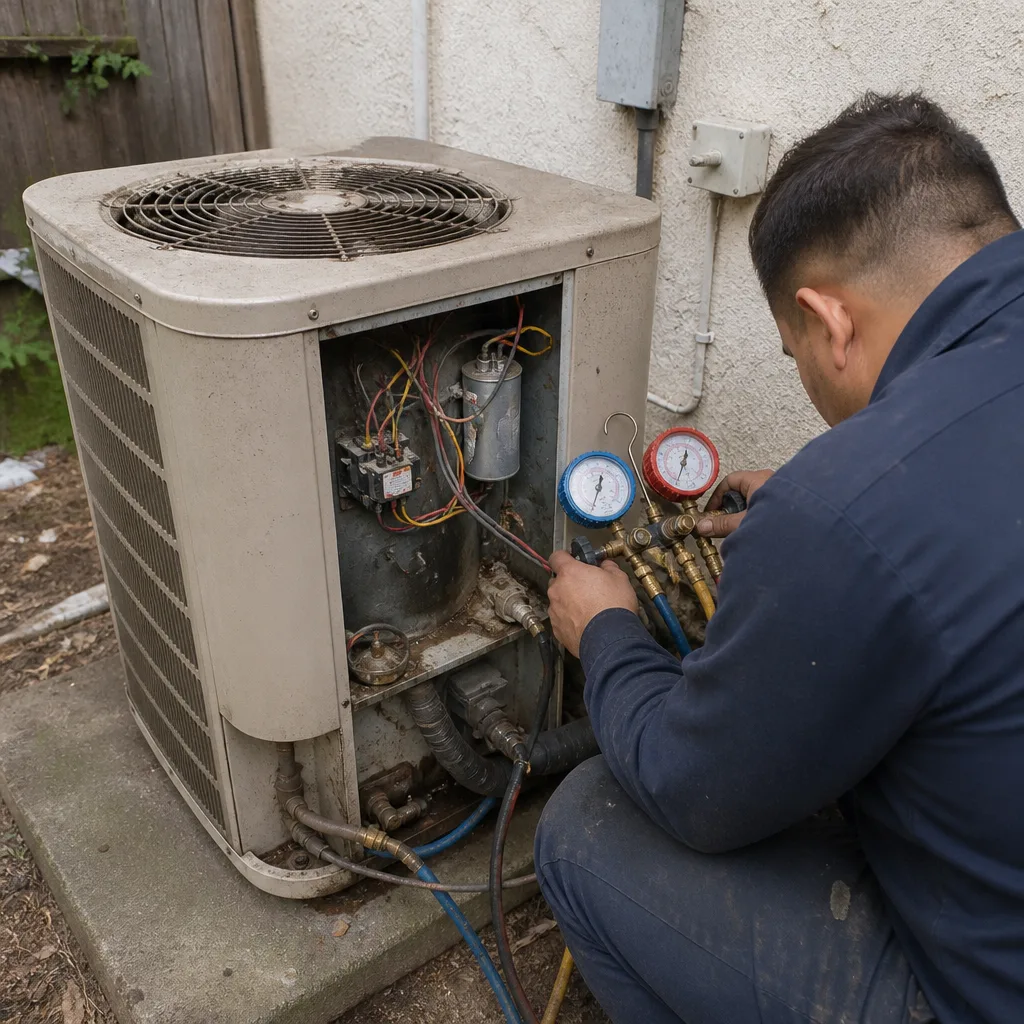 Before
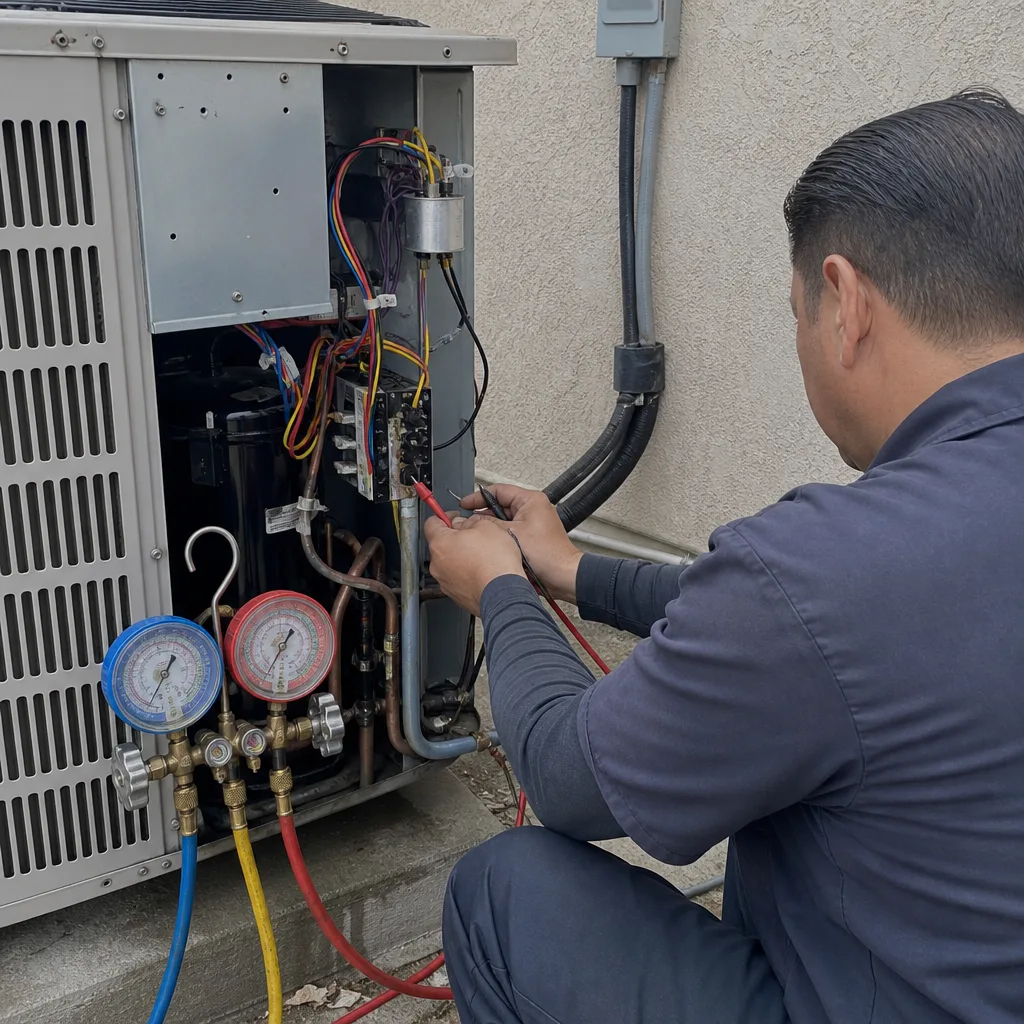 After
After Before
 After
After Before
 After
After